Lately, I’ve seen more and more posts on the forum discussing Spanish learning, and the atmosphere is great! I’ve been a longtime lurker and decided to pop in and share my thoughts on a topic that might be niche but is on many people’s minds: self-studying Spanish to apply for a master’s degree in the field. This is the path I took, and I’ve navigated some pitfalls and gathered some insights along the way. I hope my experience can help friends with similar goals.
My Background and Choice of Specialization
First, a bit about myself. My undergraduate major had nothing to do with languages. I started learning Spanish purely out of a passion for Spanish and Latin American culture. The journey from only being able to stammer ‘Hola’ to deciding to make it my future field of study was long and full of indecision. The most challenging part was choosing a specialization. Universities offer a wide variety of postgraduate programs in Spanish, such as literature, translation, linguistics, and area studies. My goal was clear: I didn’t want to focus solely on theory; I wanted something more closely tied to practical application. Therefore, I steered clear of pure literature and linguistics and focused on Translation and Area Studies.
Pros and Cons of Different Specializations
To help you decide, here’s a simple table with my personal analysis. It may not be perfectly accurate, but it’s here for your reference:
| Specialization | Pros | Cons | Best Suited For |
|---|
| Literature | In-depth theory, requires a strong cultural foundation | Relatively narrow career path, requires extensive reading | Students who love literature and want to pursue academic research |
| Translation | Highly practical, broad job prospects | High-pressure, demands exceptional language transfer skills | Students with a solid language foundation and strong logical thinking |
| Area Studies | Interdisciplinary, offers a broad perspective | Requires extensive general knowledge, more macro-focused | Students interested in politics, economics, and history |
I ultimately chose Area Studies because it allowed me to combine my interests in history and international relations. My advice is to thoroughly research the research interests of potential supervisors at your target universities before choosing a program. This is more important than the program’s title!
My Study Process and Resource Recommendations
Preparing for grad school applications is not just hard work; it’s also an information game. The biggest danger of self-study is working in isolation. Beyond the conventional vocabulary and grammar books for self-studying Spanish, I highly recommend a few things: First, read foreign publications like El País or BBC Mundo. Reading a few articles daily will dramatically improve your feel for the language in both reading and writing. Second, don’t neglect speaking and listening. Find a language exchange partner or listen to news broadcasts from RTVE. During my prep, I listened to ‘Las mañanas de RNE’ almost every day. At first, it sounded like gibberish, but gradually I could pick out the main points. DELE exam prep materials are also very useful, especially those for the C1 level. Their question formats are excellent for assessing your overall competence.
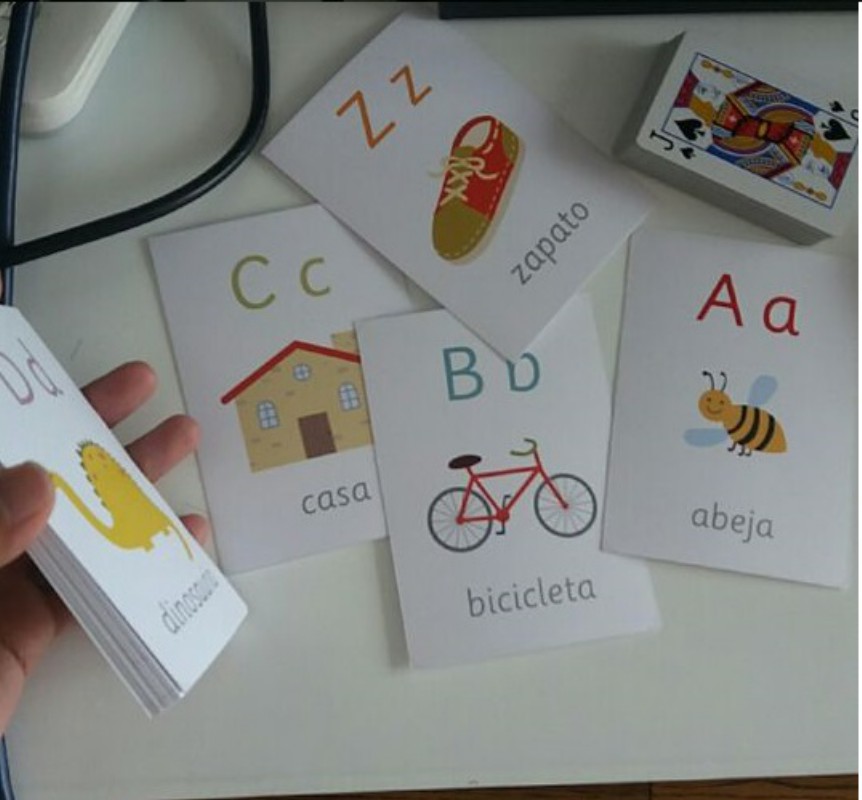
This journey isn’t easy. It’s especially tough when you see your peers doing internships and finding jobs while you’re still buried in thick academic books. Feeling anxious is inevitable. But whenever I read a brilliant article in Spanish or have a fluent conversation with my language partner, the sense of accomplishment is irreplaceable. If you’ve made up your mind, don’t hesitate. Keep going, and the view from the top will be worth it. ¡Mucho ánimo a todos!
