When I first arrived in Spain, my Spanish was basically zero. I could only order food by pointing at the menu and saying “este,” which led to many funny moments. After a period of trial and error, I can now comfortably chat about the weather with my neighbors. Today, I want to share my self-study experience to help others who are also on their Spanish learning journey!
Get in the Right Mindset: Interest is the Best Teacher
Many people find learning a language tedious, especially verb conjugations, which can be a real deal-breaker. My advice is to avoid starting with the grim determination to grind through a grammar book; you’ll likely give up quickly. Instead, start with what interests you. Love soccer? Watch La Liga and try to feel the excitement in the announcer’s voice when they yell “Gooooool”. Are you a foodie? Explore Spanish recipes and learn how to say words like “jamón” and “paella”. By integrating learning into your life, you’ll discover that Spanish is actually quite fun.
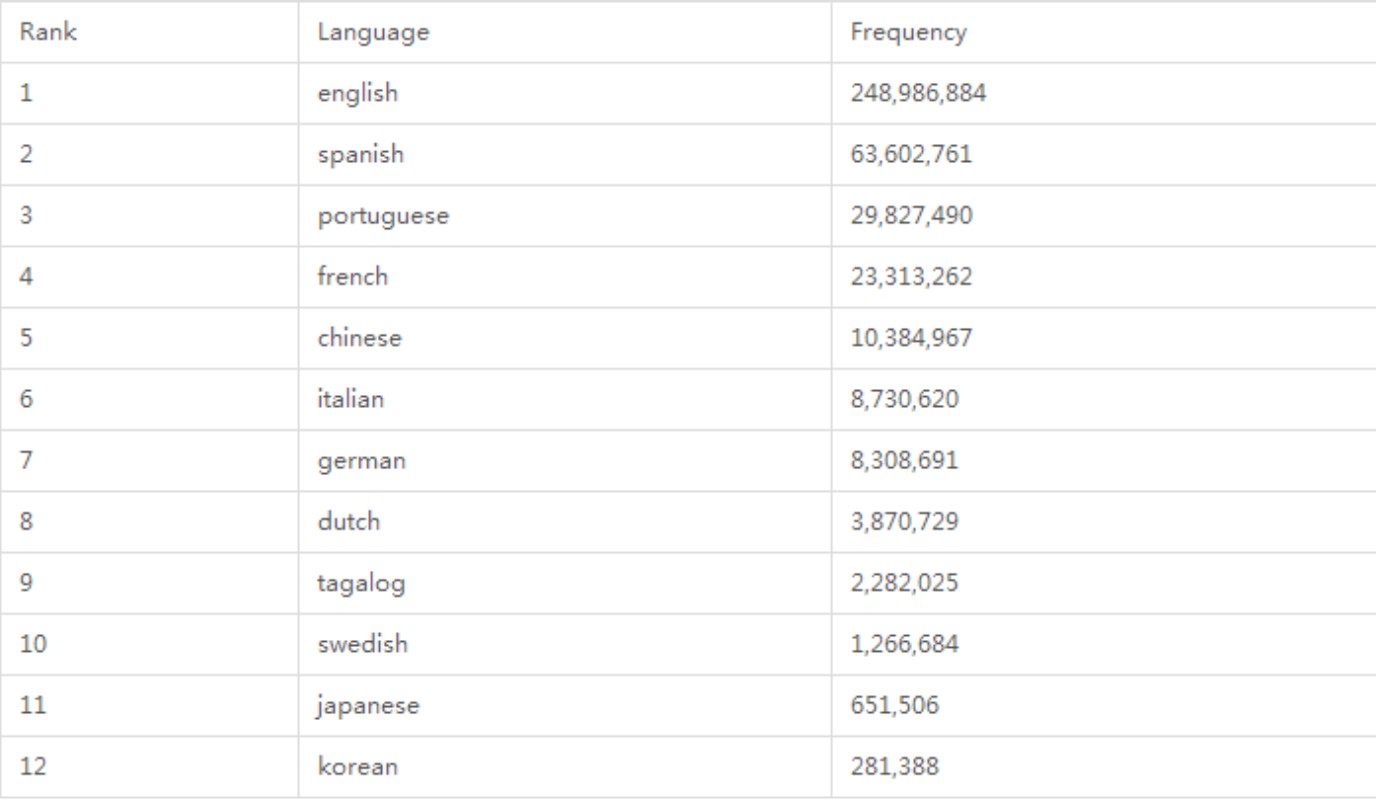
My Personal List of Learning Resources
There are tons of resources online, but the quality varies. I’ve compiled a list of tools and websites that I’ve personally found effective and suitable for self-study, hoping to save you some time.
Recommended Apps
- Duolingo/Babbel: Great for the beginner stage to get your ear trained and memorize vocabulary. The gamified learning style keeps it from getting boring.
- HelloTalk: A language exchange community where you can chat with native Spanish speakers via text or voice. It’s the best way to practice speaking and learn authentic expressions that go beyond typical Spanish textbooks. Just remember to be polite—everyone is there to learn.
- SpanishDict: A more professional Spanish dictionary than Google Translate. Its verb conjugation feature is a lifesaver—if you know, you know!
Study Materials and Methods
The table below outlines a learning path I’ve found to be quite effective from my own experience. Of course, everyone is different, so feel free to adjust it to your own pace.
| Stage | Key Goals | Recommended Materials/Methods |
|---|
| Beginner | Master basic pronunciation, daily greetings, and simple grammar | Modern Spanish (Book 1), Duolingo app, watch children’s cartoons |
| Intermediate | Expand vocabulary, understand complex sentence structures, hold everyday conversations | The Español en marcha series, listen to radio stations like Cadena SER, binge-watch shows |
| Advanced | Deepen cultural understanding, express opinions fluently, prepare for the DELE exam | Read newspapers, listen to news podcasts, participate in local cultural events |
Finally, there are no shortcuts in language learning. The keys are consistency and speaking out loud. Don’t be afraid to make mistakes. Most Spanish people are very friendly and will be happy to correct you or try their best to understand your ‘Chinglish’ Spanish. I hope everyone can achieve fluency soon and truly integrate into life in Spain! ¡Ánimo!
