When I first arrived in Spain, my Spanish was basically limited to hola y gracias, and I stumbled through conversations for a long time. I eventually decided to teach myself, and after many trials and errors, I discovered some real gems. Today, I’m sharing a list of Spanish self-study resources that I’ve personally used and highly recommend, hoping to help fellow learners on their journey!
Classic Textbooks: Building a Solid Foundation
If you want to learn systematically, textbooks are still essential. My top personal recommendations are Modern Spanish (Xiandai Xibanyayu) and Sueña.
- Modern Spanish: This is the classic textbook for Spanish majors in China, known for its comprehensive and rigorous grammar system. The downside is that it can be a bit dry, and the content is slightly dated. It’s perfect for students who want to build an exceptionally strong grammatical foundation.
- Sueña: This is the official textbook of the Cervantes Institute, which focuses more on listening, speaking, and practical application with modern content. It covers levels A1 to C1, and following this series will prepare you well for daily life and the DELE exam. I personally prefer this series as it feels less strenuous to learn from.
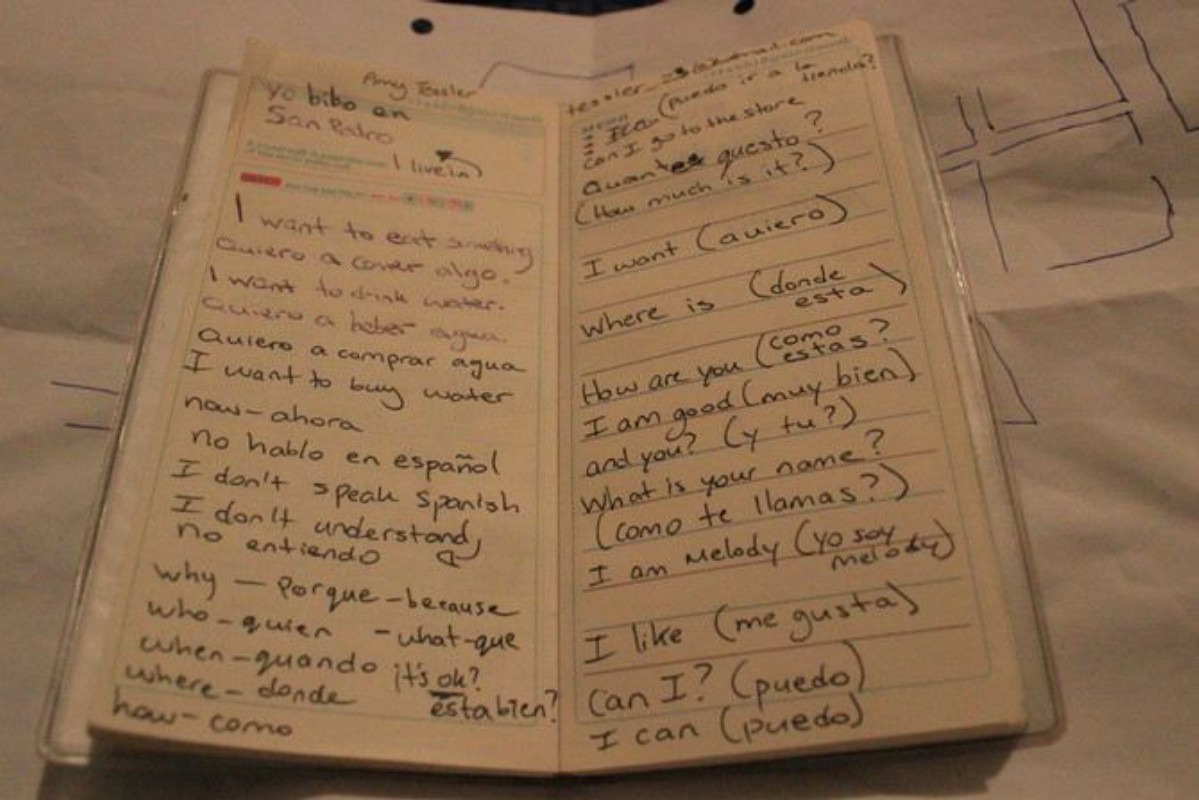
Online Courses and Apps: Make the Most of Your Spare Time
Who doesn’t have a few learning apps these days? Using them during your commute or lunch break can lead to rapid progress. Here are the ones that have a permanent spot on my phone:
- Duolingo: A fantastic tool for beginners! Its gamified approach makes it easy to memorize vocabulary and basic sentence structures. Spending just ten to fifteen minutes a day completing levels feels very rewarding. However, you can’t expect to achieve fluency solely through studying Spanish on your own with this app; it’s best used as a supplement for the A1-A2 levels.
- Memrise: A powerhouse for vocabulary building! It features numerous user-created courses that use videos and spaced repetition, making it far more engaging than rote memorization from a book. You can search for courses specifically designed for DELE high-frequency words.
- HelloTalk: A language exchange platform where you can connect directly with native Spanish speakers for conversations. I highly recommend this because speaking with native speakers is the fastest way to improve your oral skills. Don’t be afraid to make mistakes; most language partners are very friendly and patient.
Pros and Cons of Different Learning Resources
To help you choose more easily, here is a simple summary table:
| Learning Method | Pros | Cons |
|---|
| Classic Textbooks | Comprehensive system, solid grammar | Relatively dry, slow content updates |
| Duolingo | Fun and engaging, great for beginners | Lacks depth, weak on grammar explanations |
| HelloTalk | Rapid speaking improvement, real context | Requires initiative, you might encounter unsuitable partners when you learn Spanish by yourself |
| YouTube | Free and abundant resources, vivid and intuitive | Quality is inconsistent, requires careful selection |
Finally, I want to say that there are no shortcuts in language learning. The most important thing is consistency. Find a method and pace that work for you, and get a little exposure every day—even if it’s just listening to a Spanish song or watching a short scene from a show. Over time, you will see your own progress. ¡Ánimo a todos!
