I’ve been in Spain for a while now. I went from only knowing ‘hola’ and ‘gracias’ to being able to chat with my elderly neighbor for half an hour about daily life. It really shows that language learning requires consistent effort. I just finished my exam recently and wanted to share my personal experience on self-studying Spanish and getting certified. Hopefully, it can be a useful reference for those of you on the same path.
DELE or SIELE?
At first, I was also torn between the two. Both are official certifications, so which one should you choose? Simply put, the DELE is valid for life, like a ‘degree,’ with only a few exam dates per year and a slower result turnaround. The SIELE, on the other hand, is valid for five years, is more flexible (you can take modules separately), and you get your results faster. I chose the SIELE initially because I needed a language certificate quickly. You should choose based on your needs. If you’re not in a hurry, going for the DELE seems like a ‘one-and-done’ solution.
My Go-To Study Resources
The biggest challenge in self-studying is finding the right materials. I used a mix of online and offline resources. For online learning, I started with apps like Duolingo for vocabulary, which is great for beginners. Later, I found that creating my own flashcards with Anki was more effective. For listening practice, I highly recommend RTVE Play and Spanish podcasts like Hoy Hablamos. You might not understand much at first when preparing for the Spanish language exams, but the key is to immerse yourself in the language environment. For reading, I followed local news websites like El País or El Mundo, which also helped me stay up-to-date with current events.
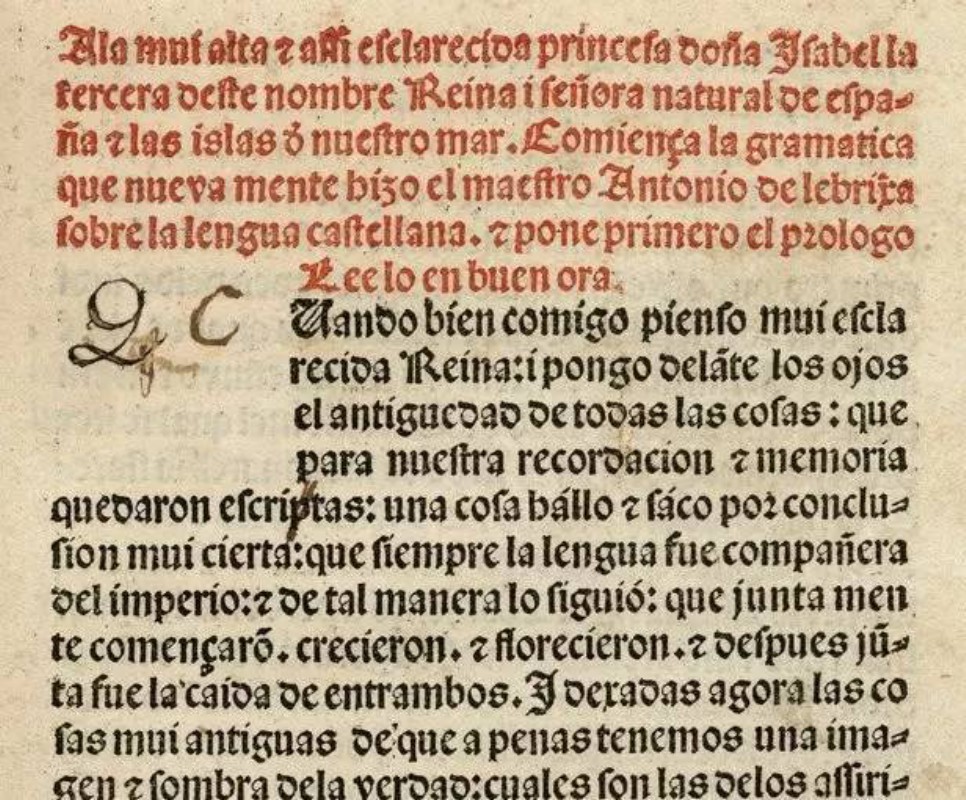
When it comes to textbooks, if you’re preparing for the DELE, the Preparación al DELE and El Cronómetro series are essential classics you must work through. The SIELE is newer, so the official guide and mock exams are your best friends. Here’s a simple comparison I’ve put together to help you choose:
| Feature | DELE | SIELE |
|---|
| Validity | Lifetime | Valid for 5 years |
| Exam Format | Paper-based + oral, fixed levels | Online computer-based, modular |
| Result Speed | Approx. 2-3 months | As fast as 3 weeks |
| Flexibility | Lower | Very high |
Finally, I want to say that there are no shortcuts in language learning, but there are definitely effective methods. The most important thing is to not be afraid of making mistakes and just speak up! Buying groceries at the market or ordering at a café are the best opportunities to practice speaking. I hope everyone has a smooth journey learning Spanish and gets the certificate they’re aiming for soon! Feel free to leave a comment below if you have any questions!
