Have you noticed recently that almost every restaurant in Spain seems packed? Especially in big cities like Madrid and Barcelona, or southern coastal tourist hotspots, it’s nearly impossible to get a weekend reservation at a decent place without booking ahead. On the surface, Spain’s food economy looks to be booming. However, after chatting with some restaurant owners, all I heard were complaints. So is it genuine growth, or just an illusion?
The Upside: Tourists Are Back!
There’s no denying it: the biggest positive factor is the strong rebound in tourism. Visitor numbers have even surpassed pre-pandemic levels, and these tourists are now the main consumers in Spain’s restaurant industry. Many places specifically catering to tourists are enjoying impressive revenues. Just check out the prices for paella and sangria, clearly designed with tourists in mind. This surge has definitely made some restaurants extremely profitable.
The Downside: Crushing Costs!
But the dazzling façade hides the staggering rise in costs. Inflation is hitting the food sector in every way—electricity, gas, and especially labor expenses are all on the rise. The most critical is ingredients, especially Spain’s staple—olive oil—which has more than doubled in price! Here are a few examples for reference:
| Main Ingredient | 2022 Avg Price | 2024 Avg Price | Increase |
|---|
| Extra Virgin Olive Oil | €5 | €10-12 | 120% |
| Eggs | €1.8 | €2.5 | 38% |
| Pork | €6 | €7.5 | 25% |
How can they keep up? Many restaurant owners say that menu price increases simply can’t match the soaring costs, squeezing profit margins to the point where they feel like they’re working for their landlords and utility companies.
Local residents have also become more cautious with their spending. Whereas people used to stop by a tapas bar after work for a quick drink and snack, now they’re often cutting back. Most prefer affordable eateries offering the ‘Menú del día’. Bustling tapas bars like the one below might seem new and exciting to tourists who are attracted by the economic benefits of Spanish cuisine, but locals may only visit them once or twice a month.
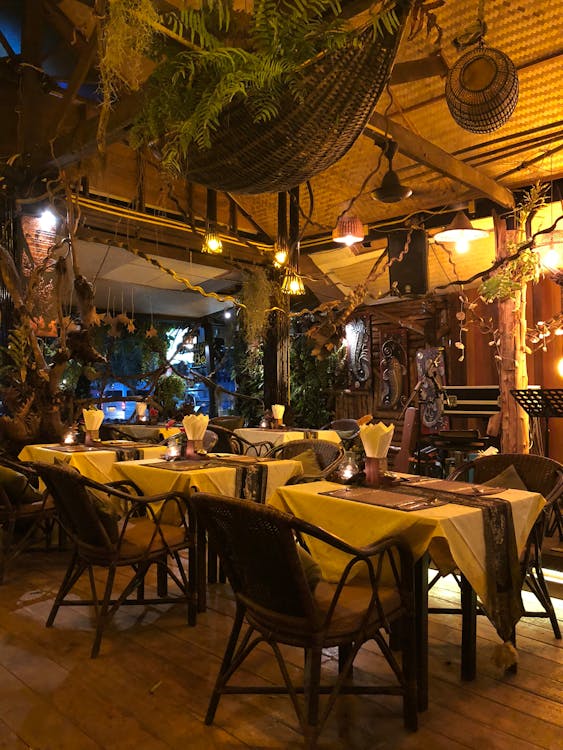
Personally, I feel many restaurants are quietly lowering food quality to cope with costs—anyone else notice this?
Today, Spain’s food economy is a mixed bag: it’s both thriving and struggling. Restaurants dependent on tourism do look prosperous, but behind the scenes they’re under huge financial pressure. Meanwhile, neighborhood establishments focusing on local customers are striving to balance price and quality. What do you think? How are the restaurants in your area doing? Are the owners optimistic or worried? Share your thoughts and join the discussion!
