When you first arrive in Spain, nearly everything, from getting a phone plan and renting an apartment to setting up utilities, requires a bank account. I just went through the process last month. It wasn’t overly complicated, but knowing a few details beforehand can save you a lot of trouble. Here are the pitfalls I encountered and the lessons I learned, hoping to help fellow newcomers.
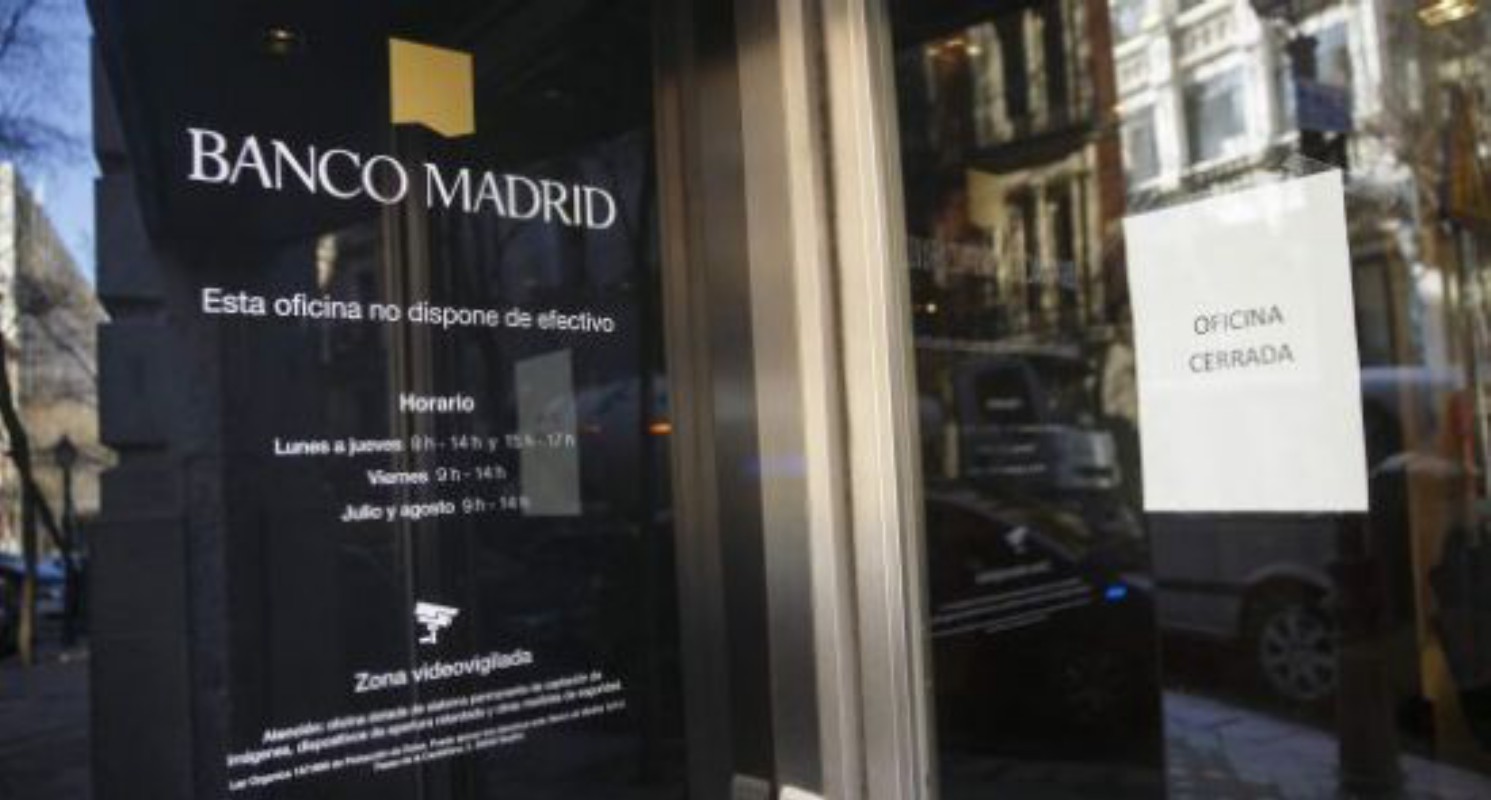
Preparations Before Opening an Account
Whether you’re a tourist, a student, or here for work, getting your documents in order is the first crucial step. The requirements may vary slightly from bank to bank, but they generally include the following. Before you go to the bank, it’s best to book a Cita Previa (an appointment) on their official website; otherwise, you might make a wasted trip, especially in big cities, as simply showing up rarely works for [opening a bank account in Spain].
Required Documents Checklist
- Proof of Identity: Your passport is a must. If you already have an NIE, whether it’s a temporary number or a formal residence card, be sure to bring it.
- Proof of Address: A certificate of residence (Padrón or Empadronamiento), preferably issued within the last 3 months, is usually required. If you don’t have one, a rental contract is sometimes accepted, but the Padrón is your safest bet.
- Proof of Funds or Status: This is more flexible. Students can provide a university admission letter or proof of tuition payment (a different procedure from closing a bank account); working professionals can show a work contract or proof of income. The main purpose is to demonstrate that you have a legitimate reason for opening the account.
Bank Selection and Account Types
Spain’s main banks are BBVA, Santander, and CaixaBank. They are the most common, with numerous branches and user-friendly apps. I personally chose BBVA because their online account is very friendly to new users, and you can waive the account maintenance fees by meeting some simple conditions. Here’s a brief comparison to help you choose based on your needs:
| Bank | Pros | Possible Cons |
|---|
| BBVA | Great app experience, clear online account opening process | May have slightly stricter verification for non-residents |
| Santander | High international recognition, branches worldwide | Many account types, requires careful checking to find a no-fee option |
| CaixaBank | Huge ATM network, convenient for deposits and withdrawals | Fee waiver conditions can sometimes be complex |
The Account Opening Process in Practice
With all your documents ready, go to the bank at your scheduled appointment time to meet with your account manager. They will copy your documents and ask a few questions, such as the purpose of the account and your estimated monthly income; just answer truthfully. The whole process takes about 30-40 minutes. Afterwards, you’ll receive a contract with your IBAN. The physical bank card will usually be mailed to your address within one to two weeks. But don’t worry, many bank apps support virtual cards, which you can add to your mobile wallet for payments immediately after the account is approved. Very convenient! Remember, once you receive the card, you must set and activate your PIN via an ATM or the app, or you won’t be able to use it.
As long as your documents are in order and communication is clear, opening an account is quite straightforward. My only complaint is the efficiency of Spanish banks… well, you know how it is, paciencia (patience) is essential. If you run into issues at a particular branch, which might lead to filing a complaint, don’t get discouraged. Try a different branch or another bank, as sometimes it’s just a particularly strict manager. Good luck with opening your account!
