I recently had to go through the hassle of getting a bank income certificate for my residency renewal, and I realized many newcomers are just as confused. So today, I’m sharing my experience after visiting several banks to hopefully help others in the same boat.
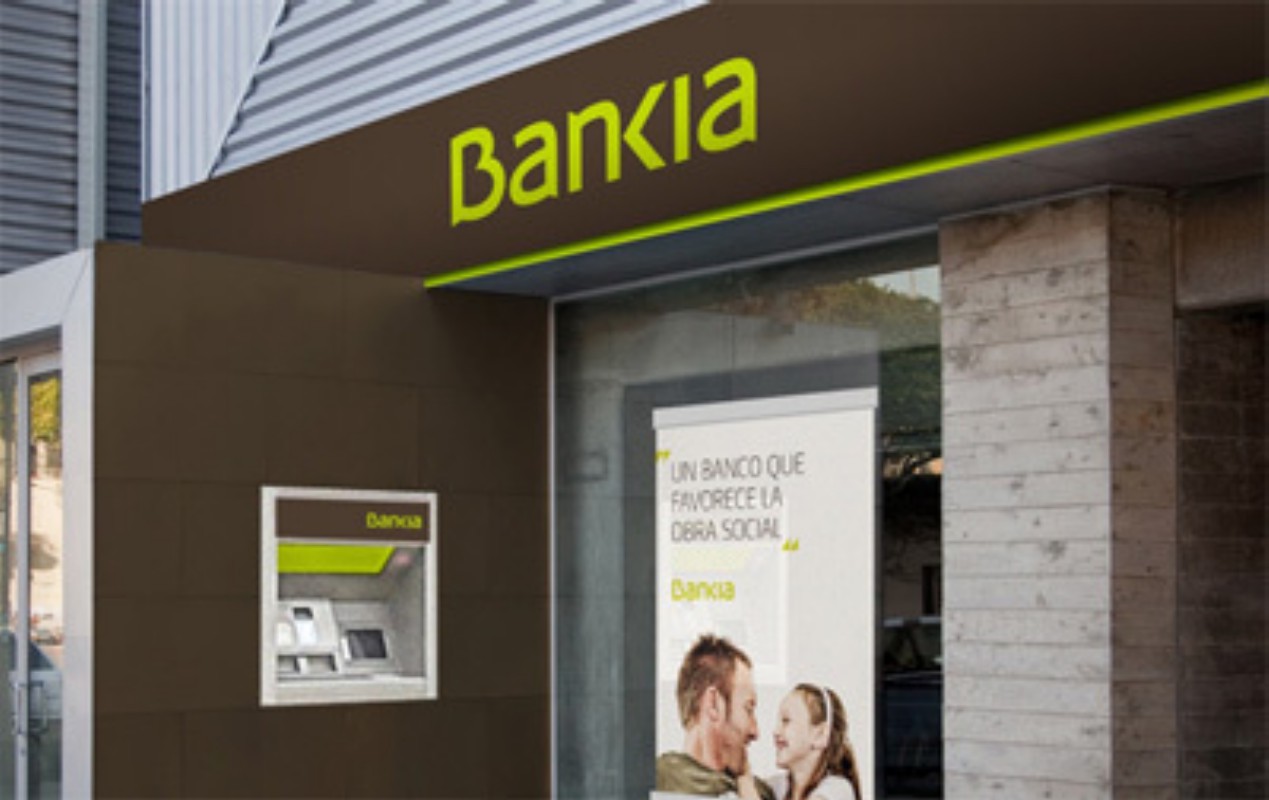
What is a Bank Income Certificate?
Simply put, it’s an official document issued by your bank to certify a stable and legal flow of funds into your account over a specific period. This document is crucial for many situations, such as:
- Residency Renewal: This is the most common reason. The immigration office needs to see that you have sufficient financial means to live in Spain.
- Renting an Apartment: Many landlords and real estate agencies, especially the more official ones, will request this to verify your ability to pay and prevent defaults on rent.
- Applying for a Loan: Whether it’s for a car or a mortgage, the bank needs to assess your repayment capacity, and the income certificate is a key document.
It’s important to note that this is different from a proof of account ownership (Certificado de Titularidad), which only confirms you own the account.
Online vs. In-Person Application
Most major banks now offer both online and in-person options, each with its own pros and cons.
In-Person Application
This is the traditional way: go directly to your branch and speak with your bank manager (gestor). The advantage is that you can get the document immediately, ask questions on the spot, and receive a physical copy with an official stamp and signature. Some government agencies prefer this format over a digital [bank account statement]. The downside, as you might know, is the efficiency of Spanish banks… you could be waiting forever. Remember to bring your original NIE/TIE card.
Online Application
Nearly all major banks allow you to request documents through their app or online banking portal. You can usually find this option under a menu like “Documentos” or “Certificados.” The main benefit is convenience—you can do it from home, and you’ll receive a digitally signed PDF, which has the same legal validity. The downside is that sometimes the options can be confusing, making it hard to find the right type of certificate, or the system might glitch.
| Application Method | Pros | Cons |
|---|
| In-Person at Branch | Immediate paper document with official stamp; easy to ask questions | Long queues; limited by bank opening hours |
| Online (App/Website) | Available 24/7, fast and convenient | Digital interface can be confusing; requires familiarity with the app |
Finally, a few reminders: Getting this certificate usually isn’t free! The fee typically ranges from €10 to €20 and will be debited directly from your account. Also, when applying, make sure you select the correct time frame—usually the last 6 or 12 months. If your funds were transferred in batches from your home country, it’s a good idea to speak with your bank manager beforehand to clarify the source of the funds and avoid potential issues, which is more involved than just providing a proof of bank transfer. Good luck with your application!
