¡Hola a todos
!
I just finished the University of Toronto’s summer exchange program in Spain, and while the memories are still fresh, I wanted to share my experience on the forum! I chose the program in Salamanca, a city that feels like a living university museum. The atmosphere for both studying and living is fantastic, and I hope my story can be a helpful reference for future applicants.
Pre-departure Preparation and Application
UofT’s Summer Abroad program is very transparent, with all the information available on their official website. The application process is straightforward: apply online, submit your documents, and wait for an offer. It’s not difficult. The key is to plan early, especially for the visa! Even though it’s a short-term program, you’ll need a Schengen visa. I strongly recommend starting the visa process as soon as you receive the official invitation letter from the university to avoid any last-minute stress. When packing, besides summer clothes, definitely bring a light jacket, as the temperature can vary between day and night in Spain. Oh, and remember, a plug adapter and a power bank are absolute lifesavers!
Studies and Life in Salamanca
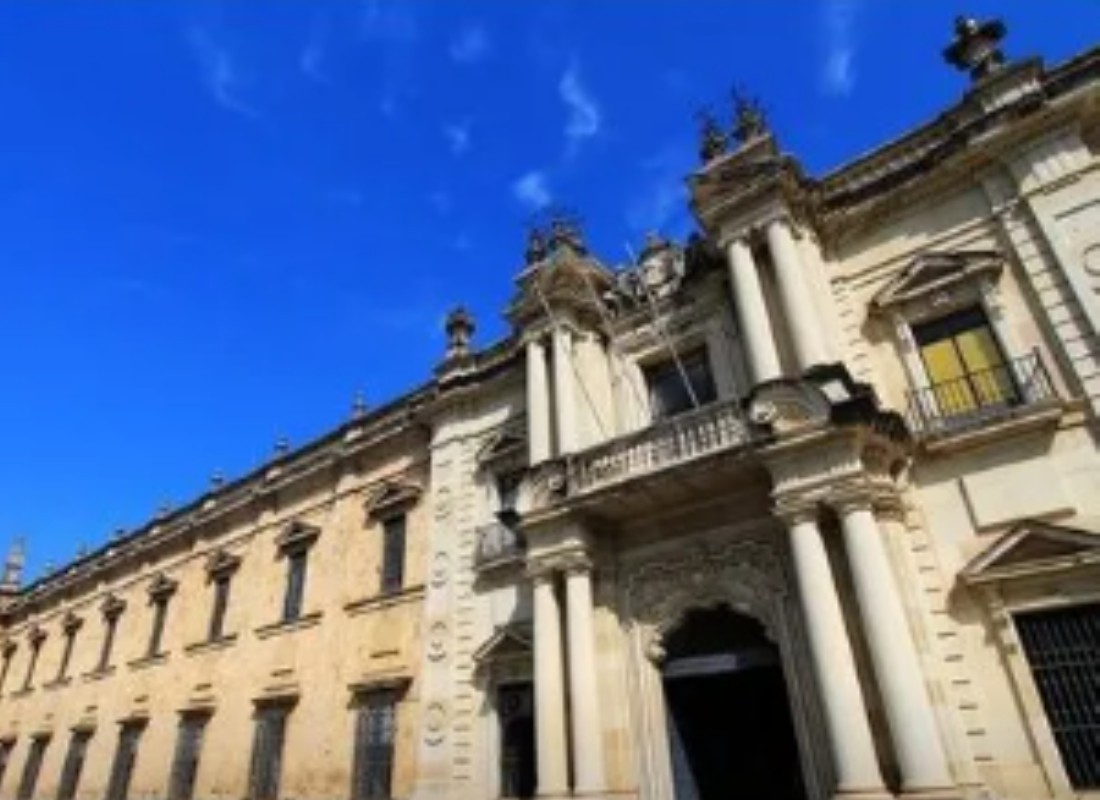
I chose a language and culture course, with classes in the morning and free time in the afternoon. The teachers are all native speakers. Their speaking pace was a bit fast at first, but I got used to it, and it did wonders for my listening and speaking skills. The architecture of the University of Salamanca is a work of art in itself. Walking through its ancient buildings every day made me feel more cultured. As for accommodation, I debated for a long time and ultimately chose a homestay. Here’s a simple comparison based on my personal experience to help you decide:
| Accommodation | Pros | Cons |
|---|
| Homestay | Great for language immersion, experience authentic family culture, meals included | Less freedom, potential curfews, you might not be used to the food |
| Student Dorm | Complete freedom, meet friends from all over the world | Fewer opportunities to practice Spanish, you have to manage your own meals |
In terms of lifestyle, I used to think Spaniards were lazy, but they just have a life rhythm that prioritizes enjoyment. Lunch is around 2 or 3 PM, followed by a siesta, and dinner isn’t until 9 or 10 PM. The whole city has this wonderfully unique vibe that’s both relaxed and full of energy. You absolutely have to experience the tapas culture. For just a few euros, you can feast on all kinds of authentic small dishes—it’s pure bliss!
About Costs
What everyone is probably most concerned about are the costs. Not including the program fee and airfare, my personal living expenses in Salamanca for a month were around €800-€1000. Since my homestay included two meals, it was a big help for the budget of the University of Toronto’s Spanish course
and saved me a lot on food. If you plan to eat out or shop frequently, your budget will certainly need to be higher.
This one-month exchange was definitely one of the most valuable experiences of my university career. It not only helped my Spanish improve by leaps and bounds but also allowed me to deeply experience a different way of life. If you’re hesitating, my advice is: don’t! ¡Anímate
! This journey will be incredibly rewarding and absolutely worth it.
