Lately, I’ve seen a lot of questions on forums from people interested in studying in Madrid. As someone who’s been through it, I’d like to talk about a university that’s hard to overlook: King Juan Carlos University, commonly known as URJC. It’s a real heavyweight among Madrid’s public universities. Established in 1996, it’s a very young institution, and as a result, its facilities are generally quite modern.
One of URJC’s most defining characteristics is its sheer number of campuses, spread across various cities in the Community of Madrid. It’s crucial to check your program’s campus location when applying; otherwise, the commute time might be overwhelming. Broadly speaking, the Móstoles campus is geared towards science and engineering, Alcorcón hosts the health sciences, Vicálvaro focuses on social sciences and law, Fuenlabrada is the center for journalism and communication, and the scenic Aranjuez campus is home to programs like tourism. Each campus functions almost like a separate university.
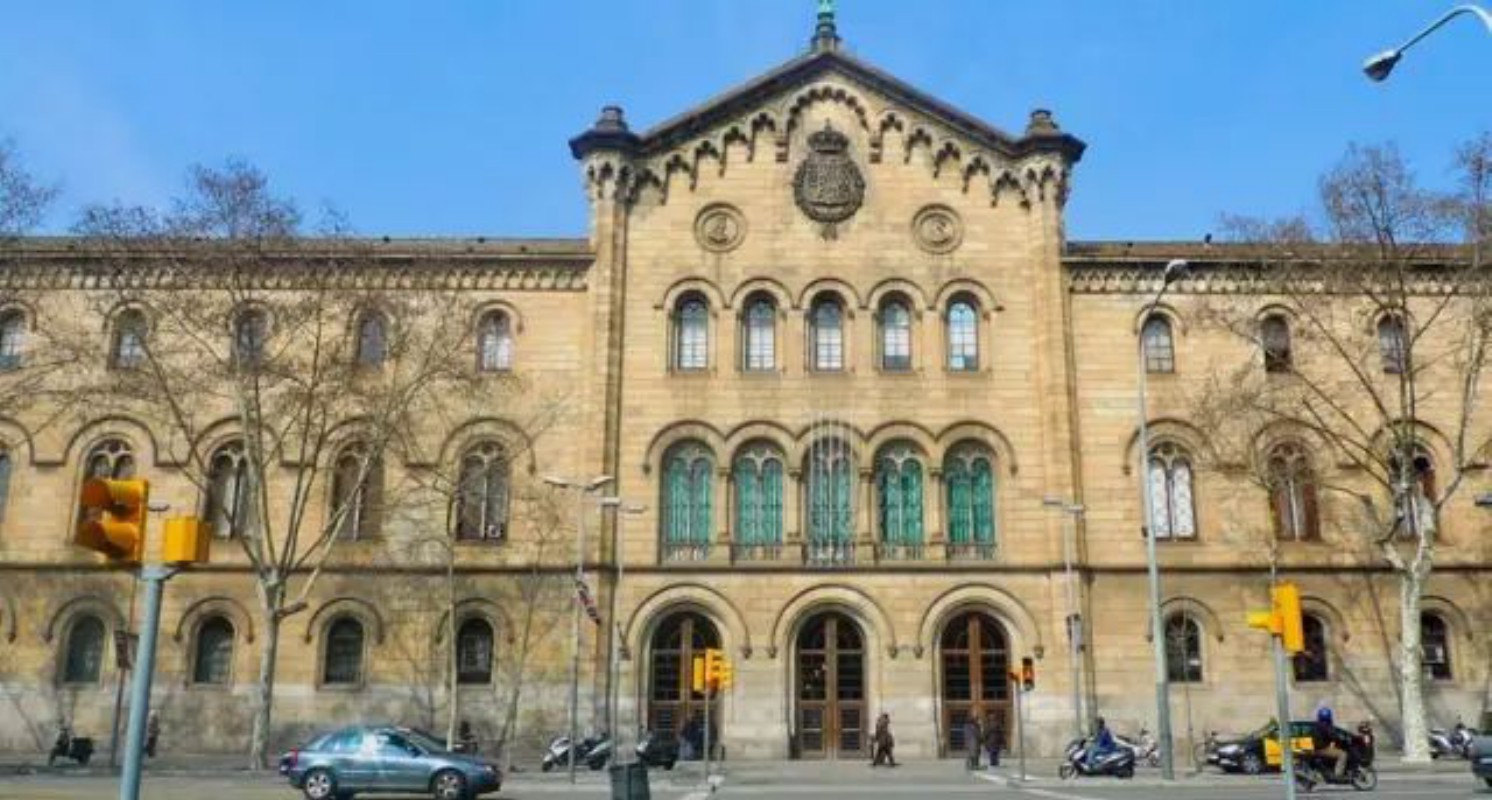
A Look at Campuses and Key Programs
To give you a clearer picture of what studying at the ’Queen’s University’ in Spain entails, I’ve created a simple table listing some popular programs and their campuses for your reference during the application process:
| Field of Study | Main Campus(es) | Example Programs |
|---|
| Social Sciences and Law | Vicálvaro, Quintana | Business Administration (ADE), Law, Economics, International Relations |
| Engineering and Architecture | Móstoles | Computer Engineering, Aerospace Engineering |
| Health Sciences | Alcorcón | Medicine, Nursing, Physical Therapy |
| Journalism and Communication | Fuenlabrada | Journalism, Audiovisual Communication, Advertising |
| Arts and Humanities | Aranjuez, Vicálvaro | Tourism Management, Design, Fine Arts |
URJC’s admission standards are considered mid-range among Madrid’s public universities, making it an excellent choice for students who don’t have top-tier grades—a topic often discussed by those looking into the Queen Sofía University of Spain. However, its reputation is somewhat complex. On one hand, it’s a large, fully accredited public university recognized by the Ministry of Education, offering a wide array of choices. On the other hand, its reputation was marred by a controversy over master’s degrees a few years back, but in recent years, administration has tightened significantly, and academic quality is on a steady rise. From my perspective, it offers excellent value for money, especially for undergraduate and most official master’s degrees.
If you’re looking to study a popular subject in Madrid, have a limited budget, and aren’t set on the prestige of a top-tier institution, URJC is definitely an option worth serious consideration. Be aware, though, that due to the huge student population, administrative efficiency can sometimes be slow, so patience is key. Are there any current URJC students or graduates reading this? Please share your real-life experiences in the comments below!
