New to Spain and finding the variety of bank names a bit dizzying? Especially those with ‘Real’ in their name or a prestigious-sounding title, it’s easy to assume they have royal lineage and offer superior service. Today, let’s dive in and break down what’s really behind these so-called ‘royal banks.’
Don’t Be Fooled by ‘Royal’
First, let’s clear up a misconception. In Spain, many institutions have ‘Real’ (Royal) in their names. This is typically an honorary title granted by the monarch, signifying a long history or past service to the royal family. It doesn’t mean the institution is currently owned by the monarchy or has any special status. The same goes for banks. So, when choosing a bank, don’t get too caught up in the ‘Royal’ title; what truly matters are the services, fees, and convenience they offer for your needs.
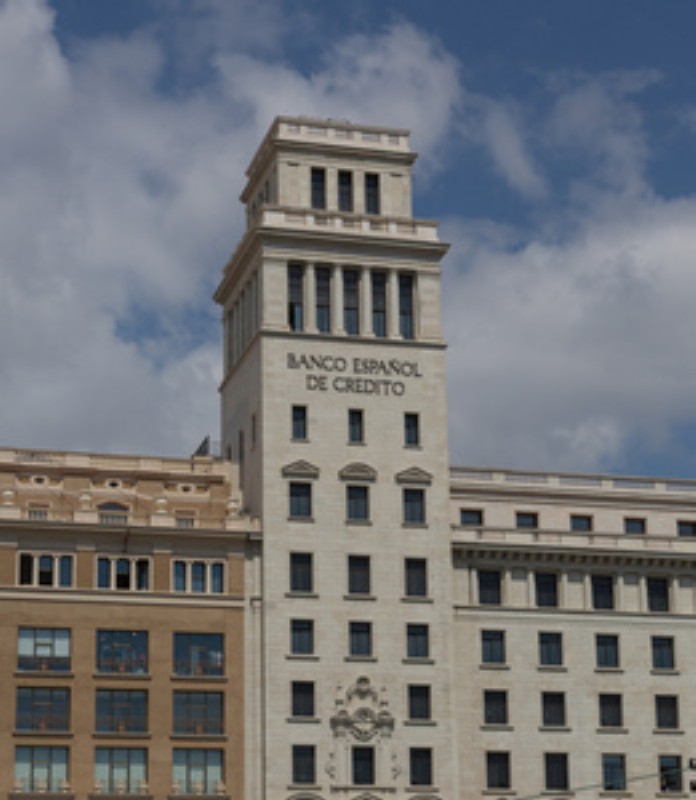
Common Banks Often Mistaken as ‘Royal’
While there’s no official list of ‘royal banks,’ several are often perceived this way due to their names or historical roots. I’ve compiled a few common ones for you to check out:
Caja Rural: This is actually a collective name for a group of rural credit unions across Spain. While the name might sound a bit rustic, it has a very long history and an extensive network in many small and medium-sized towns, often with better coverage than some major banks. If you live in a smaller town, Caja Rural could be your most convenient option. They are generally friendly to local residents and may offer more flexible fees.
Abanca: Originating from the Galicia region, this bank was formed by the merger of several local savings banks (cajas). It has grown rapidly and now has numerous branches throughout Spain and even in Portugal. Its services are quite modern, with a well-designed app, making it a good fit for young people who prefer online banking.
Ibercaja Banco: Headquartered in Zaragoza, this bank also resulted from the merger of savings banks from regions like Aragon and La Rioja. It has a strong presence in northern and central Spain and is a solid, nationwide bank. Its services are reliable and conventional.
Kutxabank: Primarily dominant in the Basque Country, formed by the merger of three local savings banks. When looking at Spanish banks, if you live in the Basque Autonomous Community, Kutxabank’s branch density and service are your number one choice. Their defining characteristic is… well, let’s just say it has a strong local flavor, haha.
A Quick Comparison
To give you a more intuitive understanding and shed light on topics like the Spanish royal bank crisis, I’ve made a simple comparison table. This is purely based on personal experience, so just take it as a reference.
| Bank Name | Main Region | Personal Impression | Best For |
|---|
| Caja Rural | Small/Medium Towns | Many branches, personal touch | Town residents, those who prefer in-person service |
| Abanca | Nationwide | Modern, user-friendly app | Young people, students |
| Ibercaja | Nationwide | Stable, conventional | Families, those seeking reliable service |
| Kutxabank | Basque Country | Strong local focus | Residents of the Basque Country |
Choosing a bank is like finding a life partner locally; you don’t necessarily need the most prestigious one, but one that is convenient and suitable. I suggest you first see which bank has the most branches and ATMs near your home and workplace—you can even research specific details like the Santander customer service number to gauge their accessibility—and then find out if they have any special offers for new customers, like waiving account maintenance fees. I hope this post helps those of you who are undecided! Have you used any other banks that feel ‘royal’? Feel free to share and discuss below!
