While chatting with a friend about cryptocurrency recently, a question popped into my head: What’s the stance of the Spanish banks we deal with daily, like BBVA and Santander, on this whole blockchain thing? Are they ignoring it, or have they already started making moves? Driven by curiosity, I did some digging and found out it’s quite a complex story.
Initially, I assumed banks would be resistant to something as ‘decentralized’ as blockchain—after all, it seems like it could disrupt their own business model. But it turns out that’s not the case at all! Not only are these major banks not resisting, but they’re also actively researching and applying blockchain technology. However, their approach is different from how ordinary people trade crypto; it’s more focused on applying the technology to enterprise-level [Spanish banking services].
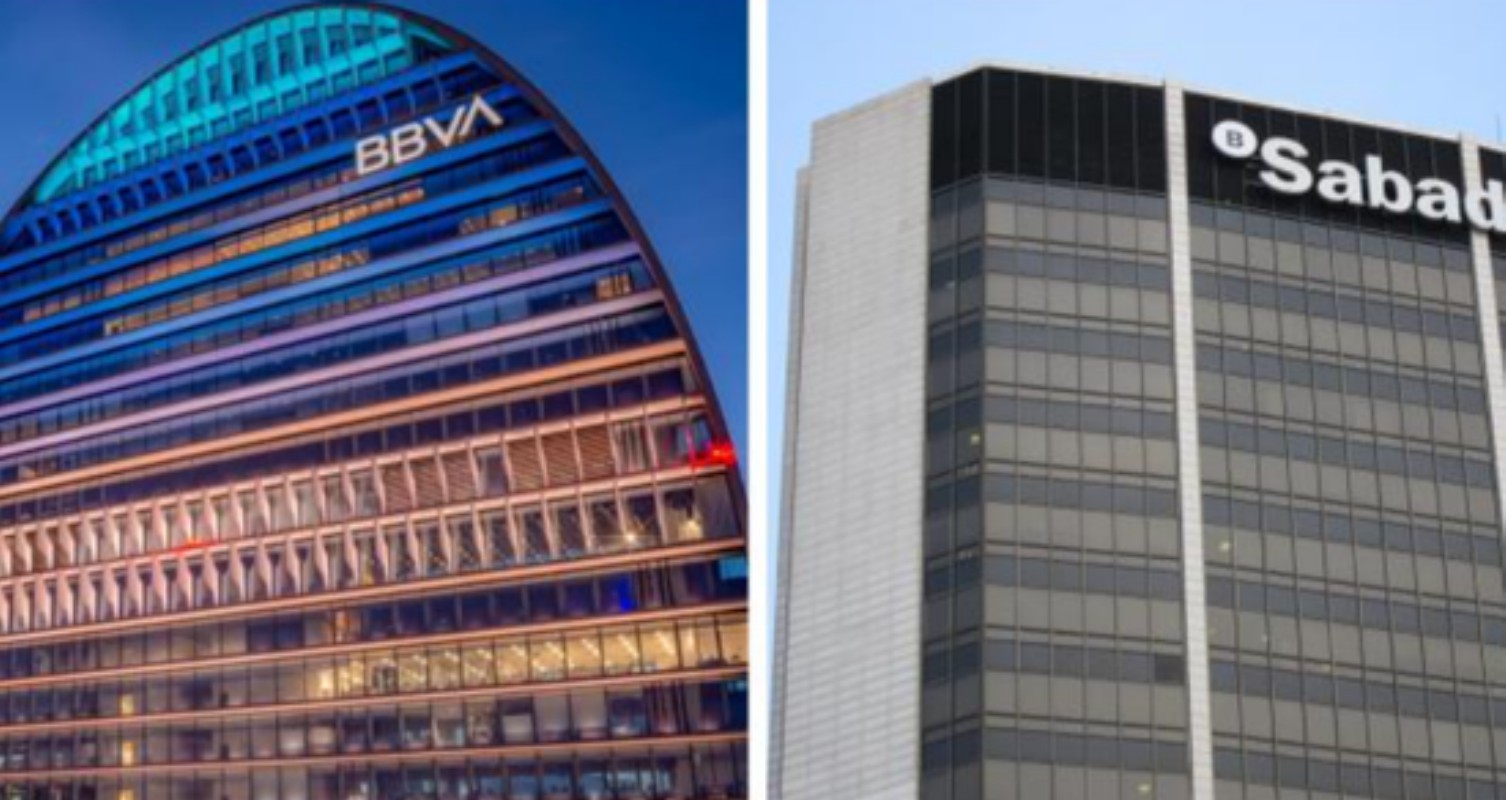
The Blockchain Proving Grounds of Banking Giants
I focused on two of the most familiar banks: Santander and BBVA. They are the leading ‘pioneers’ in the Spanish banking sector when it comes to enthusiasm for blockchain technology.
Santander: Cross-Border Payments and Bond Issuance
Santander began exploring blockchain technology early on to optimize its cross-border payment services. International transfers used to be slow, expensive, and involved many intermediaries. They experimented with technologies like RippleNet to make international payments for their corporate clients faster and more transparent. Another cool application was in 2019 when they successfully issued the world’s first-ever ‘blockchain bond’ fully based on a public blockchain. Although it was just a pilot project, it clearly demonstrated their ambition.
BBVA: From Trade Finance to “Green Loans”
BBVA is not to be outdone, making significant waves in the trade finance sector. For instance, they joined a platform called We.trade. This is a blockchain-based trade finance network—an example of new [agile banking services]—designed to simplify import/export transaction processes for European SMEs, digitizing and automating complex procedures like letters of credit and financing applications. Furthermore, Spanish banks like BBVA have also applied blockchain to ‘green finance,’ issuing the world’s first green loan using blockchain technology. This ensures that funds are genuinely used for environmental projects with full traceability. Sounds pretty sophisticated, doesn’t it?
| Bank | Key Blockchain Application Areas | Key Examples |
|---|
| Santander | Cross-border payments, Digital bonds | One Pay FX, Ethereum-based bond issuance |
| BBVA | Trade finance, Green finance | We.trade platform, Blockchain green loans |
So, Spanish banks aren’t issuing their own ‘bank coins’ for us to trade. Instead, they’re using blockchain as an underlying technological tool to improve efficiency, increase transparency, and reduce costs, primarily targeting corporate clients. However, with the advancement of the ‘Digital Euro’ project, it’s possible that we, the general public, will be able to access services based on this new technology through our banking apps in our daily lives. Do you think this change is a good thing or a bad thing? Feel free to share your thoughts in the comments!
