What’s It Like to Open a Joint Account in Spain?
Having recently arrived in Spain, my partner and I have been thinking about opening a joint account to manage our daily expenses, rent, and utilities together. It just seems much clearer that way. After looking into major banks like Santander, BBVA, and CaixaBank, I found that opening a joint account is quite common. I’m sharing the process and some tips here, hoping it will help others who need it.
Why Open a Joint Account?
The most direct benefit is convenience! Especially for families or couples, using one account for shared expenses makes tracking everything straightforward. At the end of the month, you can see exactly where the money went, so no more bickering over who paid for what. Plus, many joint accounts, just like personal ones, can be linked for automatic payments for utilities, phone bills, and even Netflix, which is a huge time-saver.
Comparing and Choosing a Joint Account from Different Banks
Essentially, all banks in Spain offer joint account services. The main differences lie in the opening requirements, maintenance fees, and the services provided. I’ve put together a simple table for your reference:
| Bank | Account Type | Key Features |
|---|
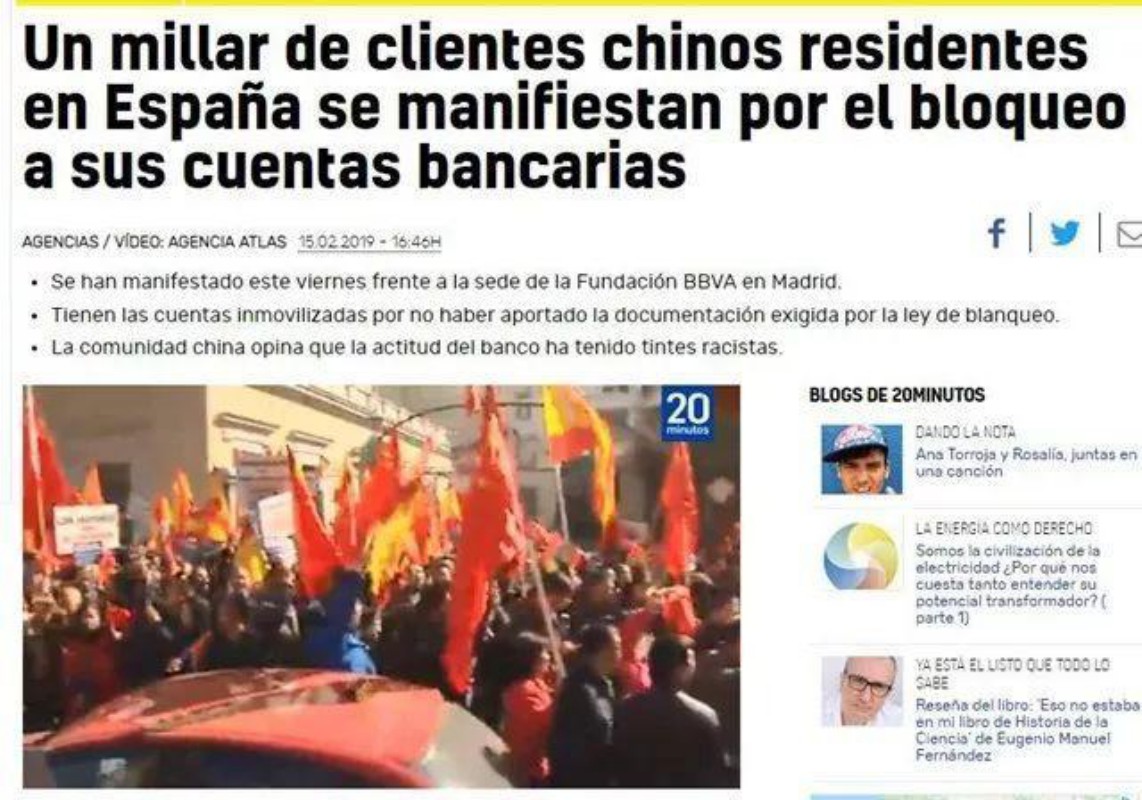
| Santander | Cuenta Online | No maintenance fees, but may require direct deposit of a salary or meeting other conditions to avoid potential bank account freezes. |
| BBVA | Cuenta Online Sin Comisiones | Also focuses on commission-free online accounts, with a very user-friendly app. |
| CaixaBank | Cuenta Día a Día | Many physical branches and comprehensive services, but the conditions for waiving fees are relatively complex. |
| ING | Cuenta Nómina / NoCuenta | Good reputation for customer service, with clear and simple conditions. |
Which bank you choose mainly depends on your specific needs. If you both have regular salaries to deposit, many banks will waive the account maintenance fees. If not, you’ll need to carefully compare the “commission-free” conditions of each bank, such as minimum monthly deposits or the number of card transactions. Don’t underestimate those few euros in fees; they can add up over a year.
What Documents Do You Need to Apply for a Joint Account?
This is the crucial part. Generally, all account holders need to be present in person. The required documents are quite similar across banks:
- Valid identification documents for all account holders (e.g., TIE/NIE, passport).
- Proof of address (Certificado de Empadronamiento), preferably issued within the last three months.
- Employment contract or payslips, if you have them, as they can help you get better account terms.
- If you are a student, you might need to provide your school’s enrollment certificate to get your Spanish IBAN.
The bank manager will confirm the relationship between the account holders and the signature arrangement. For example, whether all holders must sign for a transaction to be valid, or if any single holder’s signature is sufficient. For a daily-use account for couples or partners, the latter is highly recommended, as it allows either person to independently manage the account—withdraw money, make payments, and transfer funds—which is much more convenient.
Opening a joint account is a fairly simple process, but it does require a bit of homework beforehand. It can significantly simplify financial management for two people and make life more organized. My partner and I ended up choosing the BBVA online account, mainly for its app experience and relatively relaxed fee-waiver conditions. If you have any questions or experiences to share about opening an account, feel free to discuss them in the comments below!
