When you first arrive in Spain, one of the biggest headaches is definitely setting up a bank account. Faced with a dazzling array of banks and a bunch of unfamiliar terms, it’s easy to feel overwhelmed. I’ve been in Spain for a few years now, and I’ve gone from a complete newbie to someone who’s learned from a few mistakes and used several different banks. Today, I’m going to share my experiences with a few digital and traditional banks I’ve used, hoping to offer some guidance for newcomers.
Digital Banks vs. Traditional Banks
Simply put, digital banks are banks without physical branches; almost all operations are done through an app, like N26 and Revolut. The advantages are fast account opening, simple procedures, a great app experience, and many basic accounts have no management fees. Traditional banks are the ones we’re familiar with, like BBVA and Santander. They have many branches and offer comprehensive services, and you can talk to a teller directly if you have a problem. However, opening an account can be a bit more complicated, and sometimes there are various unexpected ‘comisiones’ (fees).
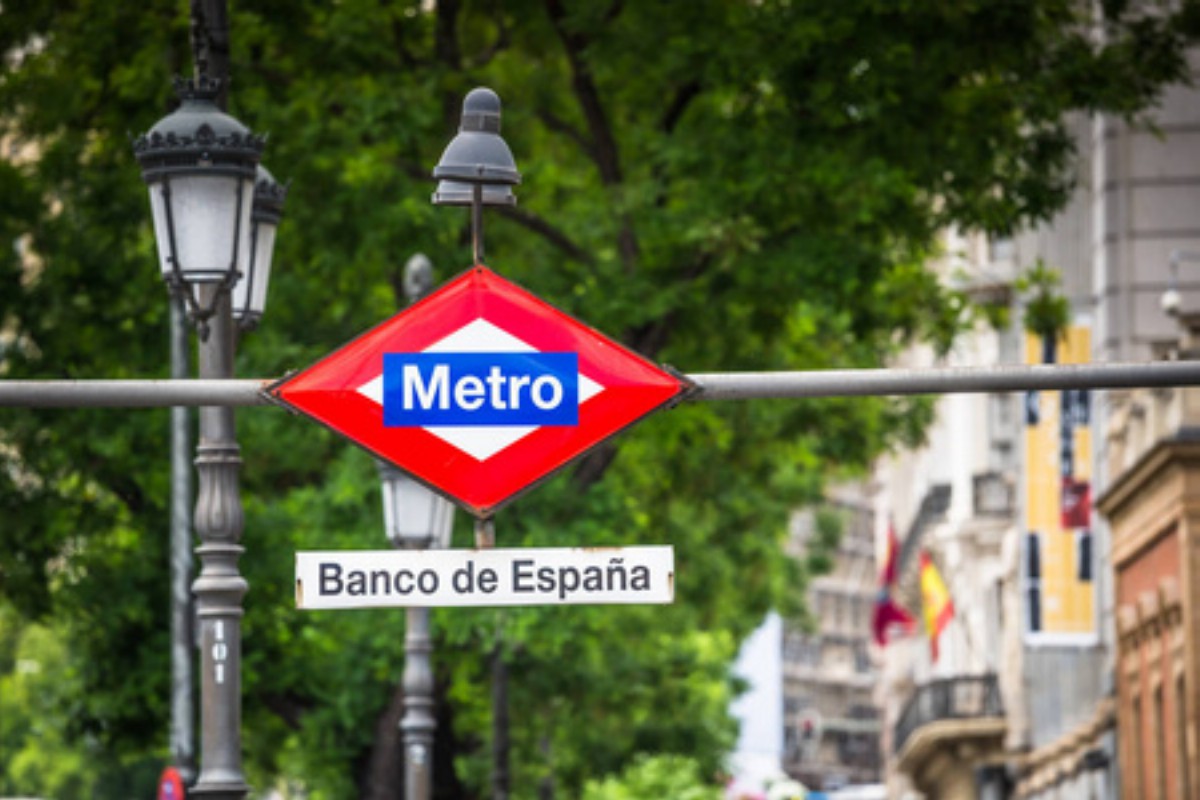
My Experience with a Few Banks
N26: This is my main digital bank. It’s German-based but provides a Spanish IBAN. The app design is really user-friendly, clean, and straightforward. The entire account opening process is online, completed with a quick video verification, and the card is mailed directly to your home. The standard account is free and is perfectly sufficient for daily transfers, online shopping, and card payments. It’s super convenient to link it to Apple Pay or Google Pay. The downside is that depositing cash is a bit tricky, as you have to go to designated partner supermarkets, and there’s a fee.
Revolut: This feels more like an all-in-one financial app. Its currency exchange feature is incredibly powerful with excellent rates, making it ideal for those who frequently deal with multiple currencies or love to travel. Opening an account is also very fast, but by default, it provides a Lithuanian IBAN. Some Spanish companies might not accept it, and although the situation has improved, it’s still a potential risk. I generally use it as a backup and travel card.
BBVA: This was my first traditional bank card. They offer a special account with no management fees for young people under 29, which is a great perk. Among traditional banks, its app is one of the best. Having physical branches provides peace of mind when you need to handle complex transactions or require consultation. However, applying for their credit card requires a ‘nómina’ (payslip), so it might be difficult to get if you’ve just arrived and don’t have a job. Applying for credit also involves providing documents like Spanish bank statements.
| Feature | N26 | Revolut | BBVA |
|---|
| Account Type | Digital Bank | Digital Bank | Traditional Bank |
| Opening Speed | Fast, fully online | Very fast, fully online | Relatively fast, online application |
| IBAN | Spanish | Lithuanian by default | Spanish |
| Monthly Fee | Standard account is free | Standard account is free | Free under conditions |
| Key Features | Excellent app experience | King of currency exchange | Many branches, full service |
| Downsides | Inconvenient cash deposits | Some institutions don’t accept LT IBANs | Credit card has requirements |
My recommendation is: You can start by opening an N26 account as your main card for daily spending, and get a Revolut for currency exchange and as a travel backup. Later, once you have a stable job and income, consider getting a traditional bank card and credit card from a bank like BBVA to link to important contracts and build your credit history. How do you all combine and use your bank cards? Feel free to discuss and share your thoughts below!
