Having recently arrived in Spain, I’ve been looking into how to transfer money from my bank account here back home. I’ve hit a few snags and learned a few things, so I wanted to share my experience to help anyone else in the same boat.
When you’ve been in Spain for a while, you’ll eventually need to send money, whether for personal use or to support your family. At first, I was completely lost, unsure which bank to choose, worried about high fees, and nervous about how long the money would take to arrive. After asking around and visiting the banks myself, I’ve got a pretty good handle on the main options.
A Comparison of International Transfers from Major Banks
I focused on comparing Santander, BBVA, and CaixaBank, as these are the most common banks people open accounts with. Generally, their international transfer services are quite similar, with the main differences being in the fees and a few specific details.
| Bank Name | Fee Structure | Arrival Time | Notes |
|---|
| Santander | Fixed fee + Cable charge | 3-5 business days | The app is relatively easy to use, but the fees aren’t the lowest. |
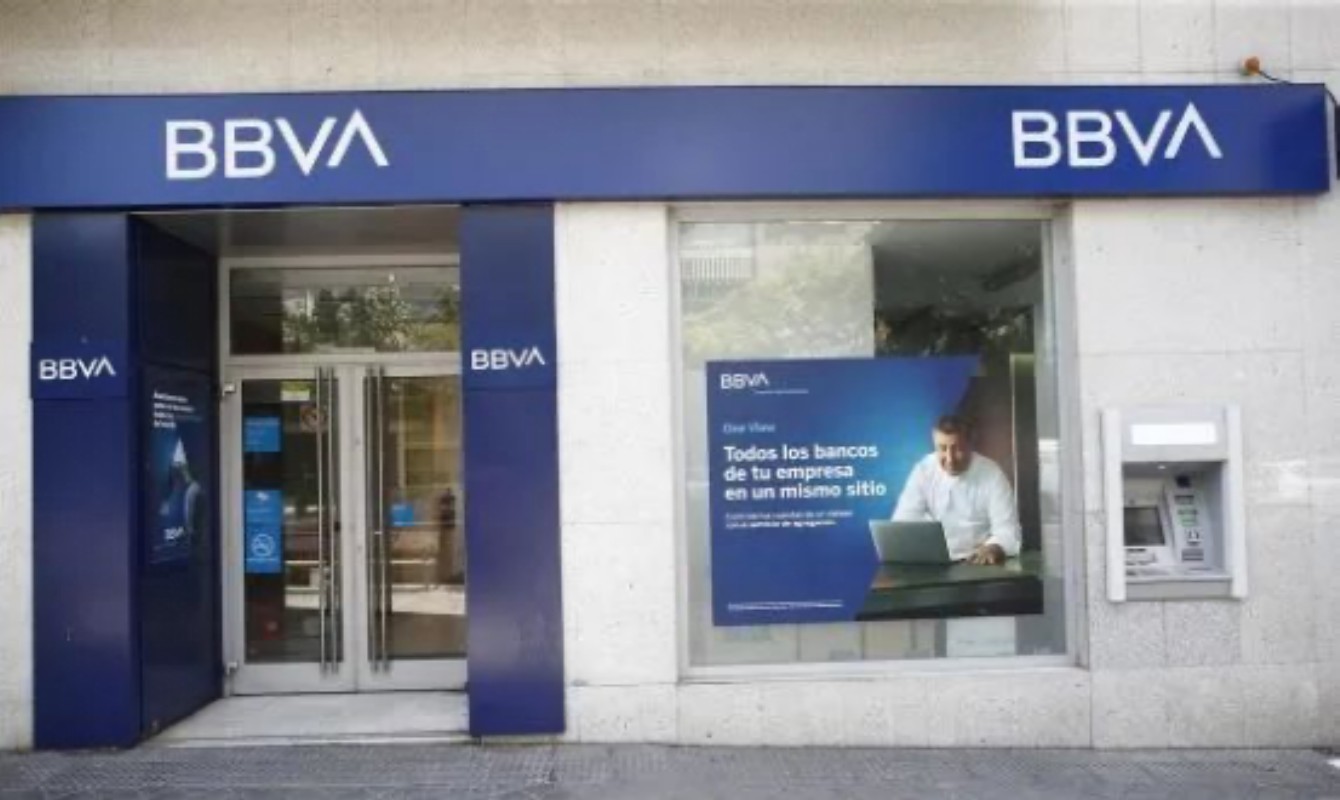
| BBVA | Percentage-based fee with a minimum charge. | 2-4 business days | Has a speed advantage, but percentage fees may not be cost-effective for small transfers. |
| CaixaBank | Fixed fee + Intermediary bank fees | 3-5 business days | The fee structure is more complex; there’s potential for hidden intermediary bank charges. |
A Few Extra Tips:
- SWIFT Code and IBAN: This is the most critical information. Double- and triple-check everything! The recipient bank’s SWIFT Code, the recipient’s name as it appears on their account, bank account number, and address must all be correct. If there’s a mistake, the money will be returned, but the fees will not.
- Purpose of Transfer: The bank will usually ask for the reason for the transfer. Stating “living expenses” or “family support” is generally sufficient. It’s best to keep it simple to avoid any unnecessary complications.
- Online vs. In-Branch: Most bank apps now support international transfers. Doing it yourself online is usually cheaper than going to a branch and saves you queuing time. However, if you’re doing it for the first time and aren’t sure, it’s safer to go to the branch and have a staff member guide you through the process.
- Third-Party Platforms: Besides traditional banks, there are many third-party transfer services like Wise. Their advantages are transparent fees, better exchange rates, and faster transfers. The downside is that you need to register and verify a separate account, which can feel like a hassle the first time. I’ve used one before and had a good experience; it’s a great option for those who aren’t fans of traditional Spanish bank transfers.
For small, non-urgent transfers, your bank’s app is the most convenient. For larger amounts or if you’re looking for the best value, and perhaps also need to consider things like Spanish bank insurance, it’s worth researching third-party platforms. I hope this information is helpful! Feel free to add your experiences with other banks or methods. Let’s share knowledge to make life in Spain a little easier! ¡Buena suerte a todos!