Having just arrived in Spain, I brought some US dollars in cash for emergencies and figured I’d need to exchange them for Euros. I initially thought going directly to a bank would be the safest bet, but after visiting two or three, I discovered it’s not that simple—it can be quite tricky! Today, I want to share my experience with exchanging foreign cash for Euros at Spanish banks to give a heads-up to those who come after me.
Overview of Major Banks’ Currency Exchange Policies
Not all banks offer currency exchange services to non-clients. I first went to a nearby Santander, but they told me the service was exclusively for their customers. The same thing happened at BBVA. I finally managed to exchange my money at CaixaBank, but the exchange rate and fees didn’t seem great. So, if you have an account with a local Spanish bank, prioritize going to your own bank; you’ll usually get better terms.
What Do You Need to Prepare for Currency Exchange?
No matter which bank you go to, you’ll need to provide identification, which is usually your NIE or passport. They will make a copy for their records, which is a standard procedure to comply with anti-money laundering regulations. Also, make sure your cash isn’t too old or damaged, as the bank might refuse it. The US dollars I had were relatively new, so making the bank deposit in Spain went smoothly.
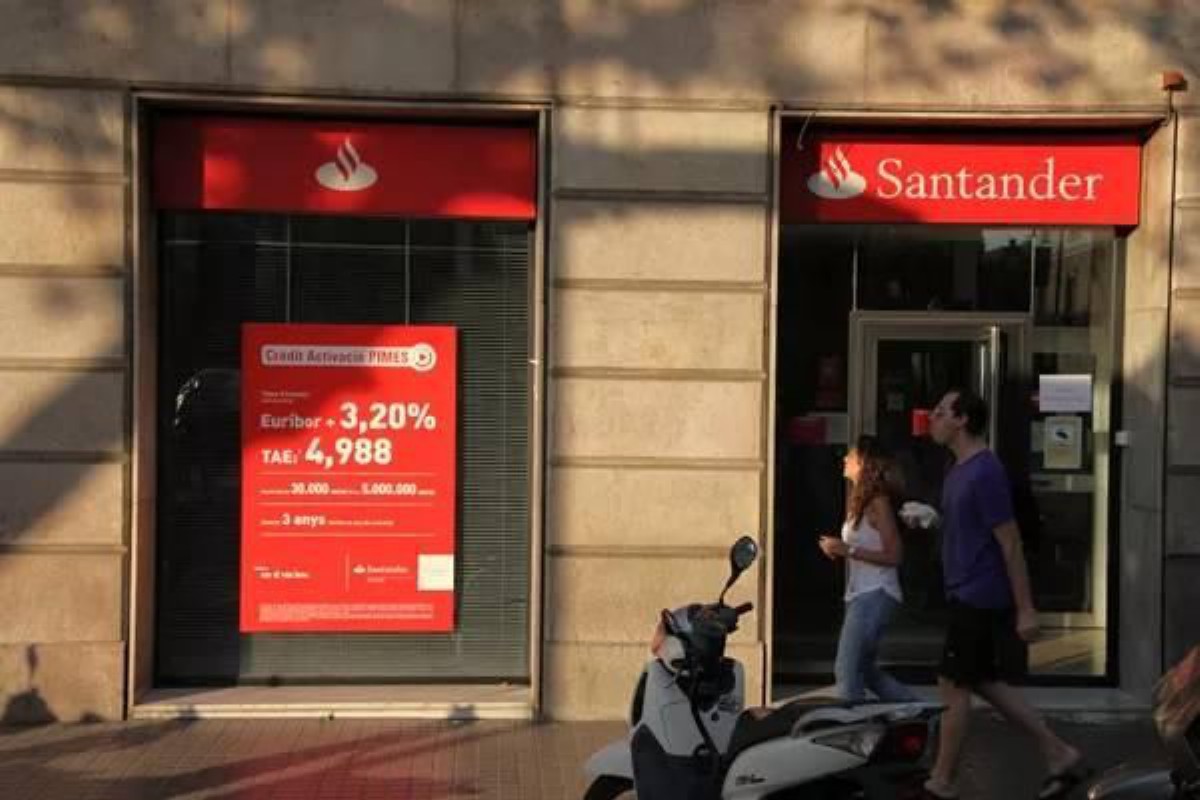
Below is a simple table I’ve put together based on my own experience and inquiries. Keep in mind that policies may change, so use this as a reference:
| Bank Name | Non-Client Friendliness | Fee Characteristics |
|---|
| BBVA | Low, generally clients only | More favorable for their clients |
| Santander | Low, generally clients only | More favorable for their clients |
| CaixaBank | Medium, may accept non-clients | Average rates, has a fixed fee |
| Sabadell | Medium, available at some branches | Depends on the branch’s policy |
The biggest issue with exchanging currency at a bank is the lack of transparency in exchange rates. Plus, there’s often something called a “comisión”, which is the commission fee. Sometimes it’s a percentage, and other times it’s a fixed fee, like a flat €5-10 charge regardless of the amount you exchange. So, before you commit, always ask exactly how much you’ll receive in the end; don’t just look at the posted Euro exchange rate. In comparison, specialized currency exchange offices in the city center, while not always offering the best rates, are more transparent with their pricing. Due to competition, they can sometimes be more cost-effective for smaller amounts than banks. Of course, the least recommended option is the airport currency exchange desk—they are notoriously a rip-off!
