I haven’t been in Spain for long, and recently I had to prepare a pile of materials for some paperwork. Several of these documents required a bank stamp. I thought it would be a simple task, but after visiting several banks, the experience was a real mixed bag. Today, I’m sharing the pitfalls I’ve encountered and the lessons I’ve learned, hoping to help others with the same need.
Why Do You Need a Bank Stamp?
In Spain, many official or semi-official application processes require a bank’s stamp to verify the authenticity and validity of certain documents. The most common scenarios are when renewing your residence permit, applying for various government subsidies, or renting an apartment, where you need to submit stamped bank statements to prove your financial solvency. Sometimes, payment receipts for administrative fees also need a bank stamp to confirm a successful transaction. In short, while the stamp may seem small, it can be absolutely crucial at critical moments.
My Experience with Different Banks
The policies and attitudes of the staff at the banks I visited varied dramatically. Here’s a brief summary on getting bank statements stamped, but keep in mind that experiences can differ from branch to branch, so this is just for reference.
| Bank Name | Stamp-Friendliness | Potential Situations |
|---|
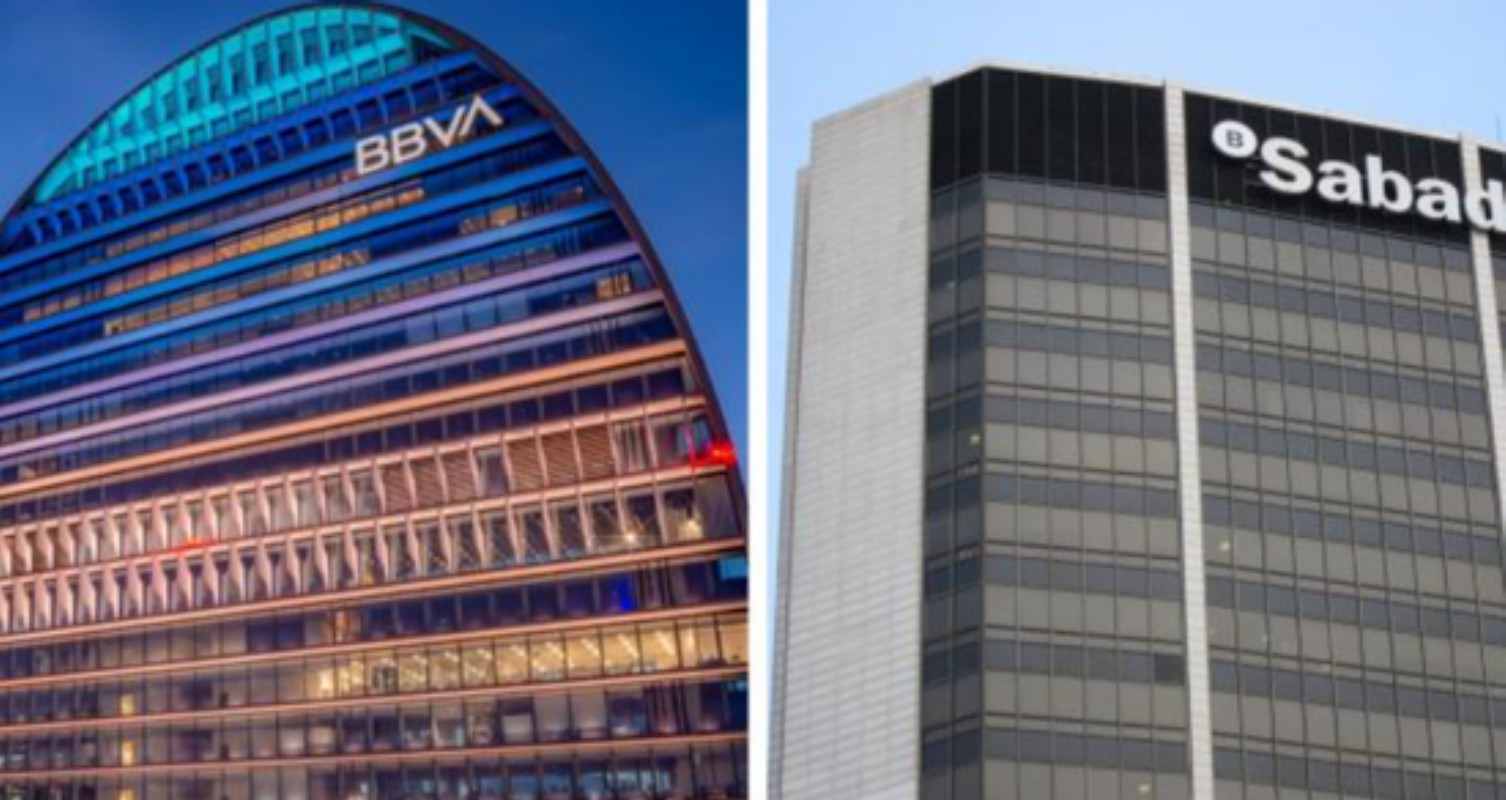
| Sabadell | ⭐⭐⭐ | It depends on the teller; some are very helpful, while others might direct you to their self-service machines to print. |
| CaixaBank | ⭐⭐⭐⭐ | Relatively friendly, but queues can be long during peak hours. It’s advisable to download your statement from their app before going to the counter. |
| Santander | ⭐⭐ | My least favorite experience; I was often told to use the ATM, with staff claiming the counter doesn’t handle this service. |
| BBVA | ⭐⭐⭐⭐ | A good experience. They usually help with stamping, but it’s also best to avoid busy times. |
My advice: try to go to your home branch where you opened the account. They are more familiar with your situation and are generally more helpful when it comes to a bank stamp. Also, dressing neatly and politely explaining your purpose can significantly increase your chances of success.
Some Practical Tips
Prepare your documents in advance: Don’t wait until you’re at the counter to start frantically searching for your papers. Organize every page that needs a stamp, and it’s a good idea to mark them with sticky notes to save time for both you and the teller.
Choose the right time: Never go at the end of the month, the beginning of the month, or on a Monday morning. These are peak business hours. The best time is between 11 AM and 12 PM on a weekday, when it’s relatively less crowded.
A little charm goes a long way: Spain is a society where personal connections matter. A simple “Hola, buenos días” and “Muchas gracias” at the end can make a huge difference. If a teller seems reluctant, try explaining the importance of the document, for example, by saying, “Es para la renovación de mi residencia, es muy importante para mí.” (“It’s for my residence permit renewal, it’s very important to me.”).
The last resort: If the counter staff absolutely refuses to stamp your document, you can try printing your statement from the bank’s ATM. Many modern ATMs print statements with a special digital seal or verification code, which may be accepted in some cases. However, this isn’t a guaranteed solution, so it’s best to confirm with the institution requiring the document whether this is acceptable beforehand.
I hope this information is helpful to everyone! The key to getting things done in Spain is patience—be prepared to make multiple trips and ask a lot of questions. Have you had any bizarre experiences getting a bank stamp? Feel free to leave a comment below to discuss, vent, or share your own tips!
