For anyone new to Spain, have you had the same experience as me? You walk into a Tapas bar, drooling over the spread of food on the counter, order a bunch of things, but when you take a bite, the only thing you can say is “¡Qué rico!”. After a while, it feels like my vocabulary is seriously lagging behind my taste buds. Today, I want to share some words I’ve learned to describe Spanish food more authentically. Let’s say goodbye to being lost for words!
Let’s start with the most basic texture. Just saying rico or delicioso is really for beginners. For example, to describe a piece of grilled meat or fish that’s tender and juicy, you can use jugoso. For that satisfying crunch of fried small fish or potato chips, the word is crujiente. To describe a slow-cooked oxtail or pork cheek that’s soft and flavorful, you can use tierno. A simple sentence like “Este filete está muy tierno y jugoso,” instantly makes you sound more like a pro, doesn’t it?
Let’s talk about cooking methods. Spanish cuisine is all about highlighting the ingredients’ natural flavors, so its cooking methods are very distinctive, as discussed in posts like 西班牙美食印象介绍词句. Knowing these terms will not only help you understand menus better but also describe dishes more accurately. I’ve put together a small table for easy reference:
| Spanish Cooking Term | English Meaning | Common Dishes |
|---|
| A la plancha | Grilled/Pan-seared | Gambas a la plancha |
| Frito / Fritura | Fried | Pescado frito |
| Asado | Roasted | Pollo asado |
| Al horno | Baked | Patatas al horno |
| Guisado | Stewed/Braised | Ternera guisada |
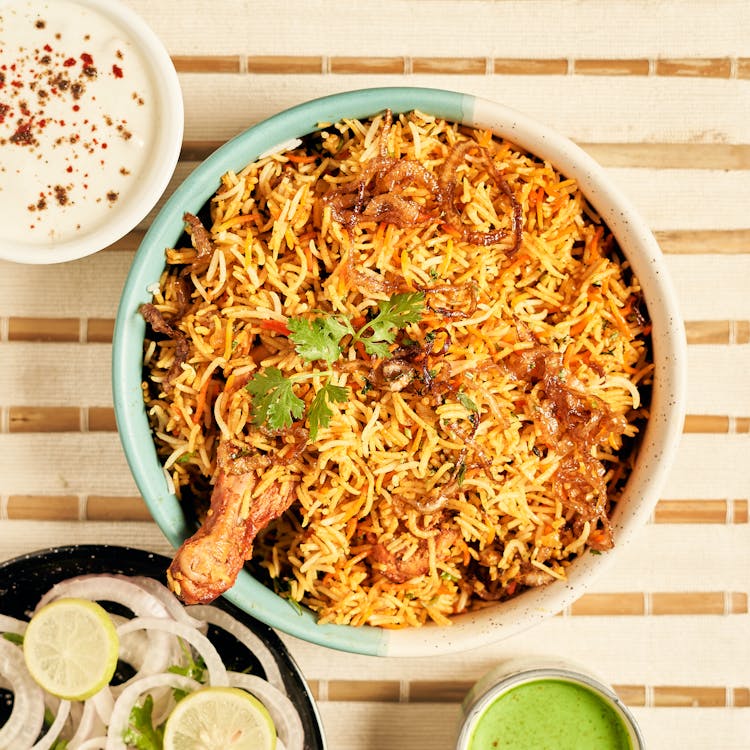
When talking about Spanish cuisine, how can we not mention its unique soul of flavor? For instance, the special aroma from saffron in paella, or the smoky flavor from the pimentón sprinkled on Galician-style octopus. Then there’s the fruity and slightly peppery taste that high-quality olive oil imparts to everything. When describing ham, instead of just saying it’s salty, you can use curado to describe its complex flavor, developed through air-drying and aging. Next time you taste Jamon Iberico, you can close your eyes and savor its sabor curado.
So, the next time you’re dining with friends, try using these terms. For example, when reviewing a paella, you could say: "The rice in this paella is en su punto (perfectly cooked), the seafood is very fresco (fresh), with a subtle saffron aroma, ¡qué sabroso
!". Saying something like that instantly elevates your critique, doesn’t it? No more just saying ‘rico’! Let’s all chip in—what other authentic food adjectives do you know? Or have you recently tried a dish that made you want to use every word in your vocabulary to praise it?
