While researching FinTech recently, I stumbled upon a fascinating development: major Spanish banks are starting to embrace blockchain technology. I used to think of it as a distant concept, something for the ‘crypto world,’ but it’s quietly making its way into the banking systems we use every day.
Spanish Banking’s Foray into Blockchain
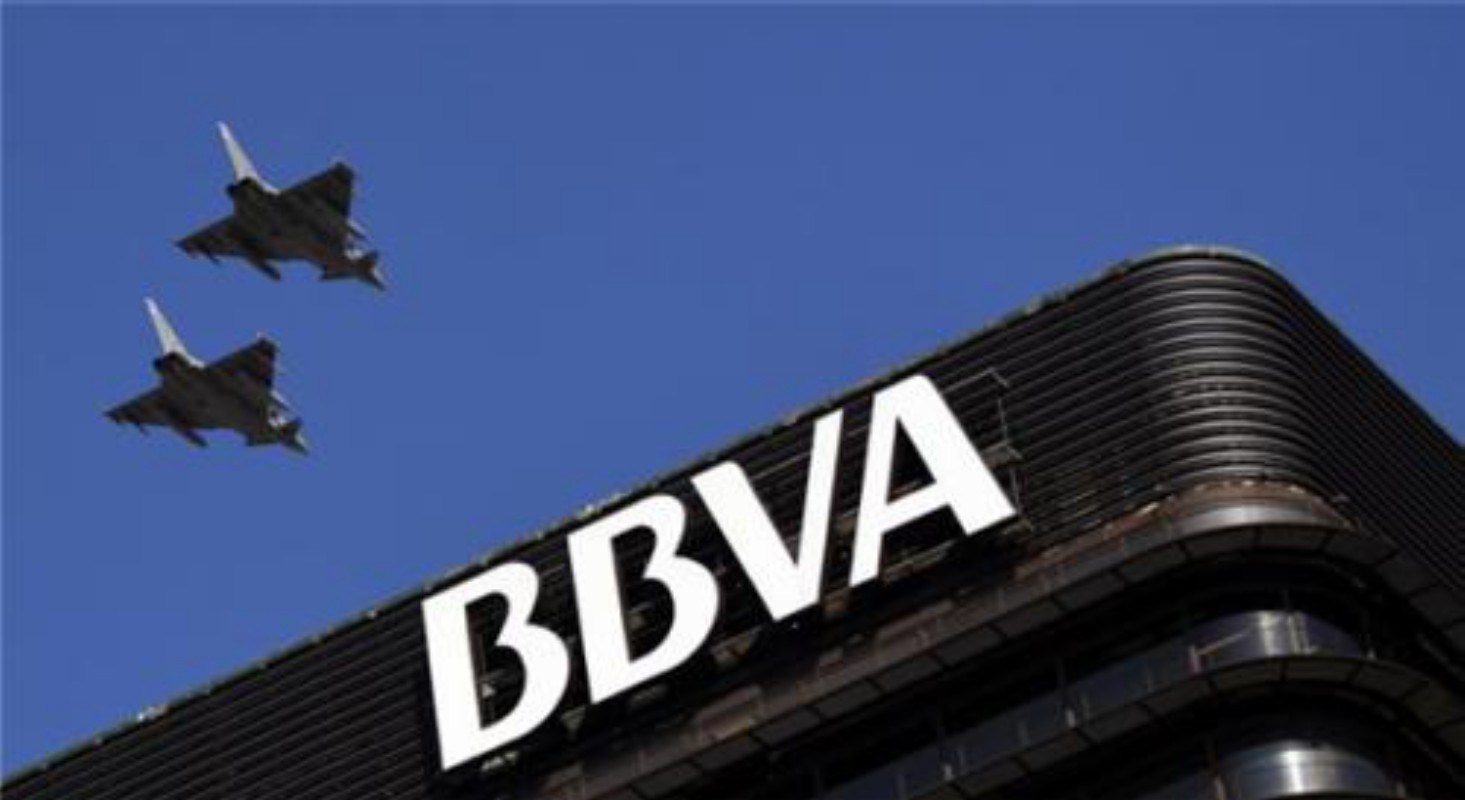
When you think of Spanish banks, giants like Santander and BBVA immediately come to mind. And it turns out they are the pioneers in the blockchain space. Santander, for instance, joined several international blockchain consortiums early on to explore how this technology can simplify cross-border payments and trade finance. Imagine international money transfers that no longer take days but are, in theory, as fast as sending an email, with significantly lower fees. BBVA is not far behind; they issued corporate loans using blockchain technology years ago, recording the entire process on a distributed ledger for transparency and reducing a mountain of paperwork.
What Exactly Are They Doing?
Beyond the cross-border payments and corporate loans mentioned above, these banks are exploring more use cases. Take asset tokenization, for example, which turns physical assets like real estate, bonds, or even art into digital tokens that can be traded on a blockchain. This greatly enhances asset liquidity. I’ve seen news that some banks are already testing the issuance of blockchain-based digital bonds. Here’s a brief summary of the main application areas for Spanish banks in blockchain right now:
| Application Area | Key Banks | Problem Solved |
|---|
| Cross-Border Payments | Santander | Slow speed, high cost, lack of transparency |
| Trade Finance | Multiple banks | Complex paperwork, high trust costs |
| Asset Tokenization | BBVA, CaixaBank | Poor asset liquidity, high barriers to entry |
| Digital Identity | Joint projects | Complex identity verification, data vulnerability |
All of this is still in its early stages, feeling a bit like more talk than action. But what interests me most are the projects related to the ‘Digital Euro.’ The European Central Bank is pushing forward with its development, and Spanish banks are actively participating in the tests. If a Digital Euro is eventually launched, our payment habits could change dramatically. We might not even need Bizum anymore, instead using a central bank digital wallet for direct peer-to-peer payments. The thought is quite exciting.
That said, technology is one thing, but actual implementation always faces challenges like regulations, data privacy, and public acceptance. Personally, I don’t think it will have a major impact on our daily lives as regular savers in the short term—our bank accounts will remain the same. In the long run, however, this is an irreversible trend. What do you all think about this? Does anyone working in a bank have some inside info to share? Or do you believe this technology will bring us more convenience or more risks? Feel free to discuss in the comments below!
