When I first came to Spain, opening a bank account was almost always free. Now, it feels like the tide has completely turned. I’ve been talking with friends lately, and everyone’s complaining about the banks’ “new rules,” especially with CaixaBank. Since it absorbed Bankia, many previously free accounts now come with maintenance fees. It feels like a real “backstab.”
I wonder if anyone else feels the same way, but finding a completely free bank account in Spain these days seems harder than dating. It used to be that depositing some money or having your salary paid in was enough. Now, they’re constantly pushing you to buy insurance, invest in funds, or bundle a bunch of other services. If you don’t, that quarterly ‘comisiones’ bill arrives right on schedule, and it’s painful to see.
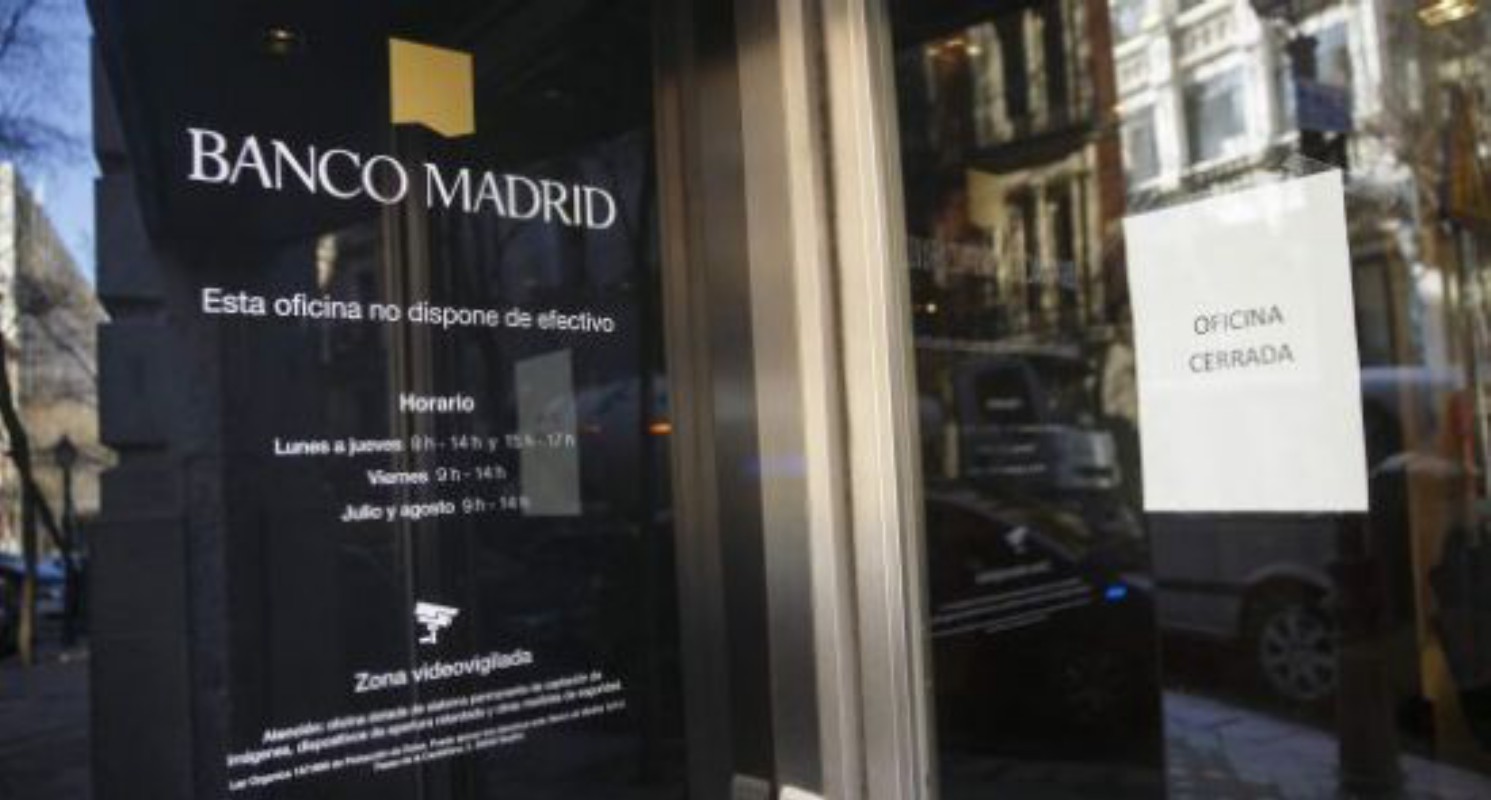
It’s not just CaixaBank, either. Giants like Santander and BBVA are also quietly raising the bar for commission-free banking. I’ve put together a quick summary of the “tactics” I’ve noticed from these major banks. Take a look to see if you’ve fallen into any of these traps, and feel free to add your own experiences!
A Quick Analysis of Major Banks’ Account Policy Changes
CaixaBank
Their basic strategy is “bundle more products or pay up.” Many former Bankia customers had unconditionally free accounts. Now, after the merger, to avoid the €60/quarter maintenance fee, you need to meet several conditions at once, like choosing two out of three from having your salary deposited, holding a home insurance policy, or having a pension plan. It’s enough to make your head spin.
Santander
Their Santander One account is similar. While you can technically reduce fees by bundling services, the requirements aren’t low. For example, you need to have your salary or pension paid in, and also use your credit card a certain number of times or hold their investment products or insurance. For students or people with unstable income, meeting these criteria can be quite difficult.
BBVA
BBVA is a bit more flexible. They have an online ‘Blue Card’ account that is genuinely free of maintenance fees, but it’s only for new customers, and all transactions must be done through the BBVA bank app or website. If you’re an existing customer or need to visit a branch for service, be careful, as you could be moved to a fee-based account. Many in-person services like deposits, withdrawals, or consultations now require a fee or an appointment, which is very inconvenient.
| Bank | Main Account Type | Common Conditions for Fee Waivers | Notes |
|---|
| CaixaBank | Cuenta Día a Día | Salary deposit + at least one additional bundled product | Biggest impact on former Bankia users |
| Santander | Cuenta Santander One | Income linkage + credit card usage/holding other products | Complex bundling requirements |
| BBVA | Cuenta Online | Unconditionally free for new online customers | Existing customers or in-person services may incur fees |
| ING | Cuenta Nómina | Salary deposit/monthly transfer of over €700 | Policies are relatively stable, but few branches |
Faced with this “wave of price hikes,” regular people like us aren’t helpless. The best course of action is to carefully read your bank contract and any email notifications to fully understand your account’s fee structure. If you find it’s not a good deal, especially with events like the Spanish bank layoffs shaking up the industry, don’t hesitate to consider switching banks. Online banks like ING, Openbank, and EVO Banco still offer excellent free account options. Although they have fewer physical branches, they are perfectly sufficient for those of us accustomed to using mobile apps. What bank do you use? Any tips for avoiding pitfalls? Feel free to discuss in the comments below!
