Lately, I’ve seen more and more students on forums and in private messages asking about UCAM. As someone who’s been through it, I’ve compiled my own experiences from applying and first arriving in Murcia to offer a reference for future students. This article is a straightforward, personal account—no hype, no criticism—just hoping to help you avoid some common pitfalls.
UCAM has become quite popular among prospective students in recent years, especially its Master’s programs in sports management and business. It’s located in Murcia, a sunny yet relatively lesser-known city in southeastern Spain. I chose it partly because the application process is quite clear, and also for the lifestyle and cost-effectiveness of living in the south.
Key Points for Your Application Plan
Documents and Language Requirements
Preparing documents is often the most stressful part of the application season. Here’s a simple checklist based on my experience with planning your studies at a Spanish university for you to review. Language is a strict requirement, so don’t take it lightly!
| Item | Description |
|---|
| Academic Documents | Notarized and legalized copies of your diploma, degree certificate, and academic transcripts. |
| Language Proficiency | Spanish-taught programs generally require a DELE/SIELE B2 certificate. Some programs accept an IELTS score of 6.0 for English-taught tracks. |
| Certificate of Eligibility for Master’s Studies | Many universities require this to prove your undergraduate degree qualifies you for postgraduate studies. |
| Motivation Letter/CV | This is your chance to shine. Write it carefully and avoid using templates. |
Official requirements may change slightly each year, so always check the official university website for the latest information.
A Glimpse into Life in Murcia
Once you’ve secured your offer, it’s time to plan for your life after arrival. The cost of living in Murcia is relatively low compared to other parts of Spain, making it very student-friendly. For accommodation, a room in a shared apartment costs around €200-€300. Including food, transportation, and miscellaneous expenses, it’s entirely possible to keep your monthly budget between €800-€1000, which is a key part of planning your studies at a Spanish university.
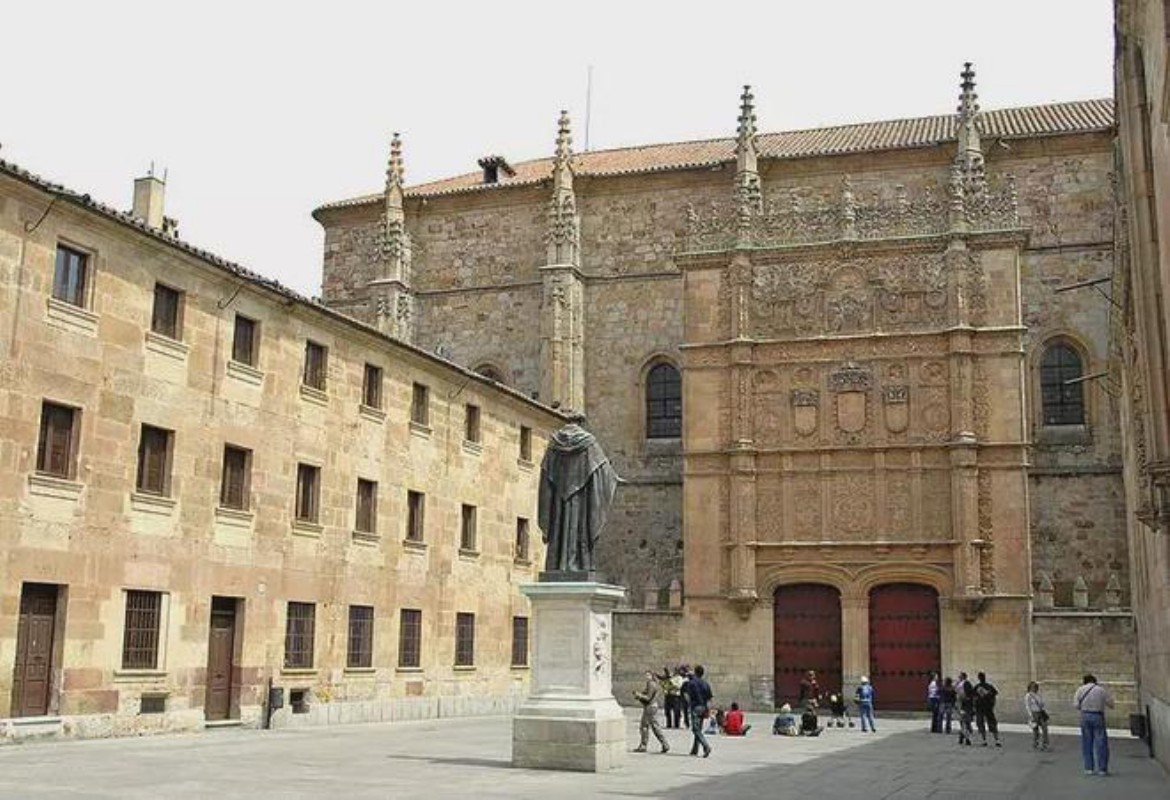
The main campus building, a converted monastery, is truly unique. The first time I visited, I thought I was in the wrong place.
The planning process can be tedious, but it’s not so daunting if you take it one step at a time. The hardest part is making the decision. With proper planning, everything will fall into place. I hope this short guide helps, and feel free to add your own experiences or ask questions in the comments below. Let’s share and learn together!
