Lately, I’ve seen many people on forums asking if it’s possible to come to Spain for a university degree to upgrade their qualifications after completing a 3-year diploma in their home country. As someone who’s been through it, I can confidently tell you: Absolutely, yes
! And there’s more than one path to finding universities in Spain for diploma holders
. However, the process is quite different from a standard bachelor’s degree application. Today, based on my understanding and a look at rankings for Spanish language degrees, I’ll break down the details for you.
First, you need to understand a core concept: degree equivalence (homologación). Getting a 3-year diploma directly recognized as equivalent to a Spanish bachelor’s degree is extremely difficult. This is because Spanish bachelor’s programs (Grado) are typically four years long, with different credit systems and curricula. Therefore, we can’t follow the standard application route; we need to find a workaround.
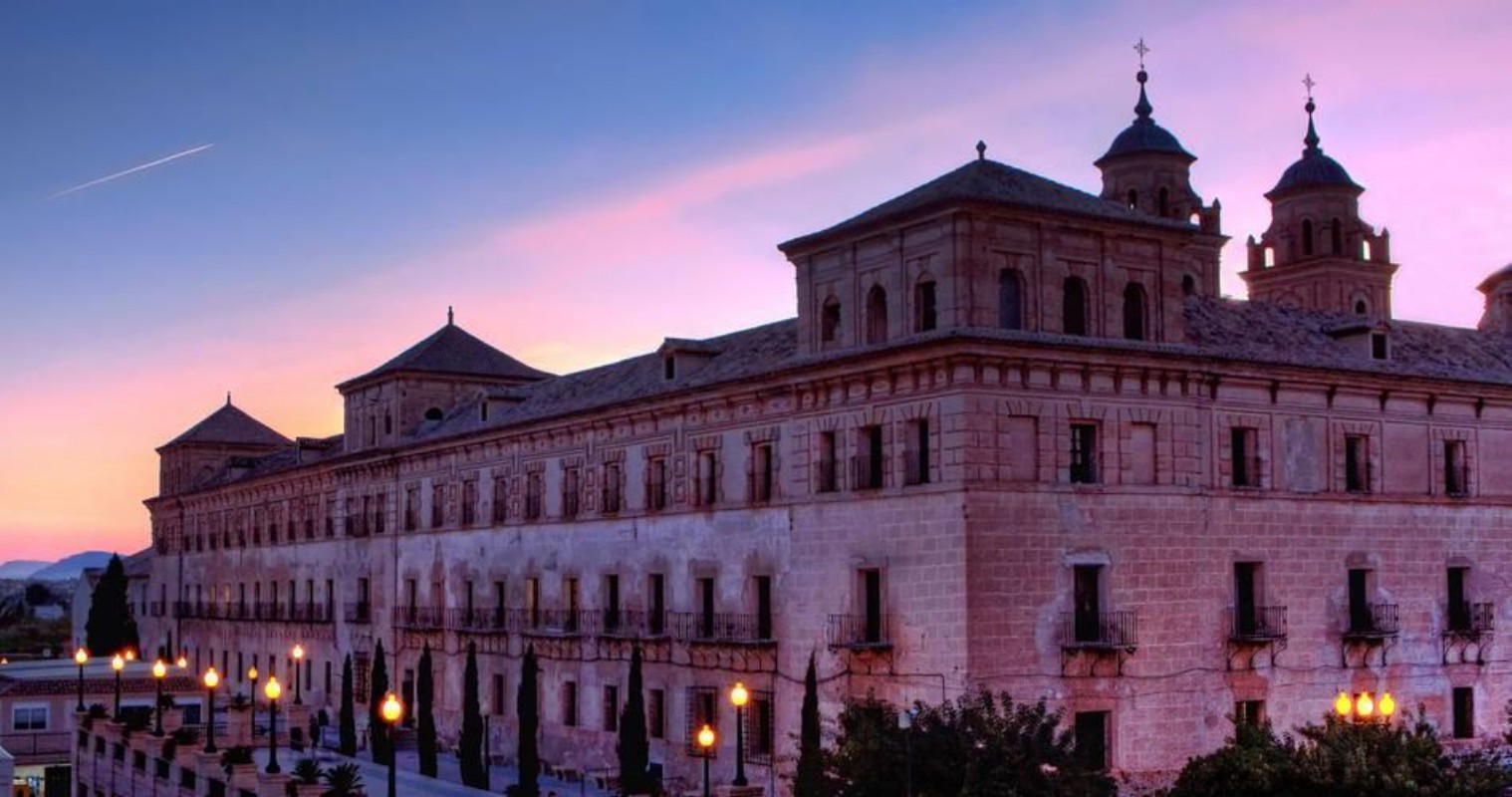
Two Main Pathways for Diploma Holders
For those of us with a diploma, there are two primary options: continuing to a bachelor’s degree or applying directly for a master’s degree.
Pathway 1: Transfer into a Bachelor’s Program
This option involves applying to a Spanish university for credit transfer (convalidación de asignaturas), to see how many credits from your diploma can be applied towards a Spanish bachelor’s degree. You could then enroll directly into the second or third year. The advantage is obtaining a fully recognized, official bachelor’s degree. The disadvantage is that the application process is quite complex, requiring detailed course descriptions, and there’s uncertainty about how many credits will be transferred, which might mean you have to study for longer than expected.
Pathway 2: Apply Directly for a Master’s Degree
This is currently the more popular, time-saving, and straightforward option. Master’s degrees in Spain are divided into official master’s (máster oficial) and university-specific master’s (máster propio). For graduates with a 3-year diploma, especially those with several years of relevant work experience, the success rate for applying to a máster propio is quite high. Some official master’s programs are also open to diploma holders with work experience, but this depends on the specific university and program requirements, and the difficulty level is higher.
To make it clearer, here is a simple comparison table:
| Pathway | Pros | Cons | Best for… |
|---|
| Diploma to Bachelor’s | Obtain an official bachelor’s degree with a solid foundation. | Long application cycle, high uncertainty, time-consuming. | Students who want a bachelor’s degree and have sufficient time and budget. |
| Diploma to Master’s | Time and effort saving, quick way to earn a higher degree. | A máster propio may have different recognition back home; official master’s have stricter entry requirements. | Students seeking value, a fast track to a master’s, and who have work experience. |
So, the path to studying in Spain with a diploma is absolutely achievable. My advice is to start planning at least a year in advance. Language proficiency is paramount; a B2 level in Spanish is the minimum requirement. Also, be patient when preparing your application materials. The pace of European bureaucracy… well, you get the idea, don’t expect to sort everything out in one day. I hope this information helps anyone feeling lost! If you have more questions, feel free to reply below, and we can all figure things out together!
