Hey everyone, while scrolling through the news recently, I saw some news about COVID at a Spanish university concerning the University of Salamanca. My heart skipped a beat for a second; I thought there might be another major outbreak. But after a closer look, I realized it wasn’t a new outbreak, but rather a new development in virus research. Have any of you in Salamanca or the Castile and León region heard about this?
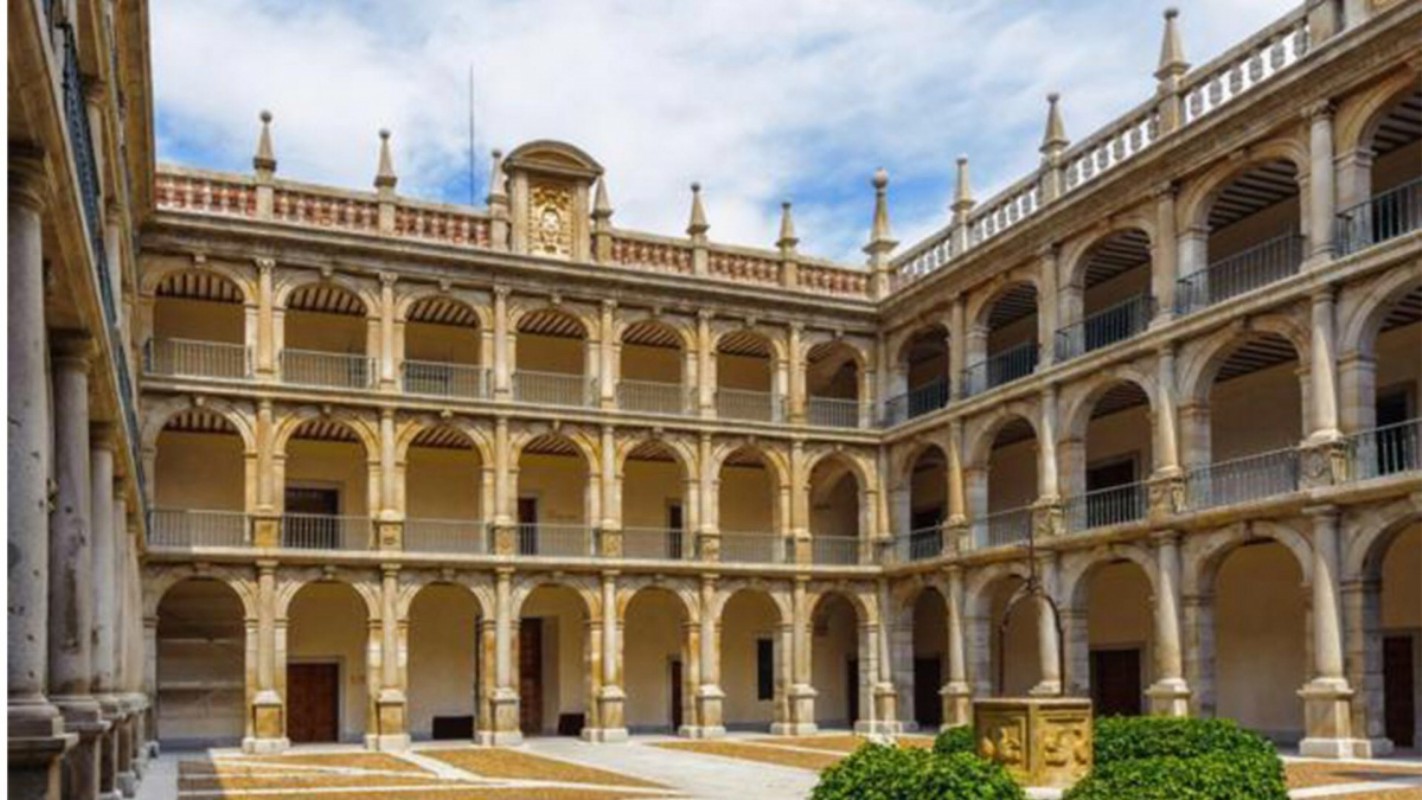
Here’s the story: according to local media reports, a research team at the renowned Biomedical Research Institute of Salamanca (IBSAL) has made a significant breakthrough after a long-term follow-up study of COVID-19 patients. They have successfully identified specific biomarkers that can predict which infected individuals are more likely to develop long-term after-effects in the future. In simple terms, by testing for certain proteins in the blood, it might be possible to know in advance if you’re at risk for those annoying long-term symptoms like brain fog and chronic fatigue.
So, What Exactly is This About?
This research primarily aims to tackle the challenges of diagnosing and treating ‘Long COVID’. As many of us know, a lot of people continue to feel unwell for a long time after recovering from COVID-19, but often can’t pinpoint what’s wrong. This study from the University of Salamanca seeks to find an objective, scientific basis for these conditions. While this is great news for the medical community, for the rest of us, it also serves as another reminder: the impact of the COVID-19 virus might be more long-lasting than we think.
Should We Be Worried?
Reading this, you might feel a bit alarmed. Does this mean the virus is still silently causing trouble around us? Personally, I think it’s important to be cautious, but not to panic. The study itself is a sign of medical progress, not an indication of a new community outbreak. It simply reveals more about the virus’s characteristics. The overall situation in Spain’s autonomous communities is currently stable, but we can’t let our guard down completely. It’s always wise to protect yourself, especially in crowded places like schools and subways.
Here’s a simple table I’ve put together to help you understand the situation and take precautions:
| Institution | Key Finding | What It Means for Us |
|---|
| Biomedical Research Institute of Salamanca (IBSAL) | Identification of biomarkers for predicting “Long COVID”. | Helps the medical field with early diagnosis and treatment; reminds us that the long-term effects of the virus persist. |
| Daily Protection Tips | Wash hands frequently; consider wearing a mask in crowded, enclosed spaces. | Reduces infection risk, not just for COVID-19, but also for the flu and other respiratory illnesses. |
| If You Feel Unwell | See a doctor promptly; don’t just tough it out. | If you experience long-term symptoms like fatigue or difficulty concentrating, consult a doctor. Don’t just dismiss it as being “tired.” |
This is more of an academic reminder than a public health alert. What are your thoughts on this? How is the situation in your city right now? Feel free to discuss and share information in the comments below!
