When you first arrive in Spain, everything from renting an apartment to getting a phone or a transport card seems to require a bank account. Looking at the variety of bank signs on the street—Santander, BBVA, CaixaBank—it’s easy to feel overwhelmed. I made quite a few mistakes and wasted money when I first got here, so today I want to share my experiences with these banks to hopefully help out other newcomers.
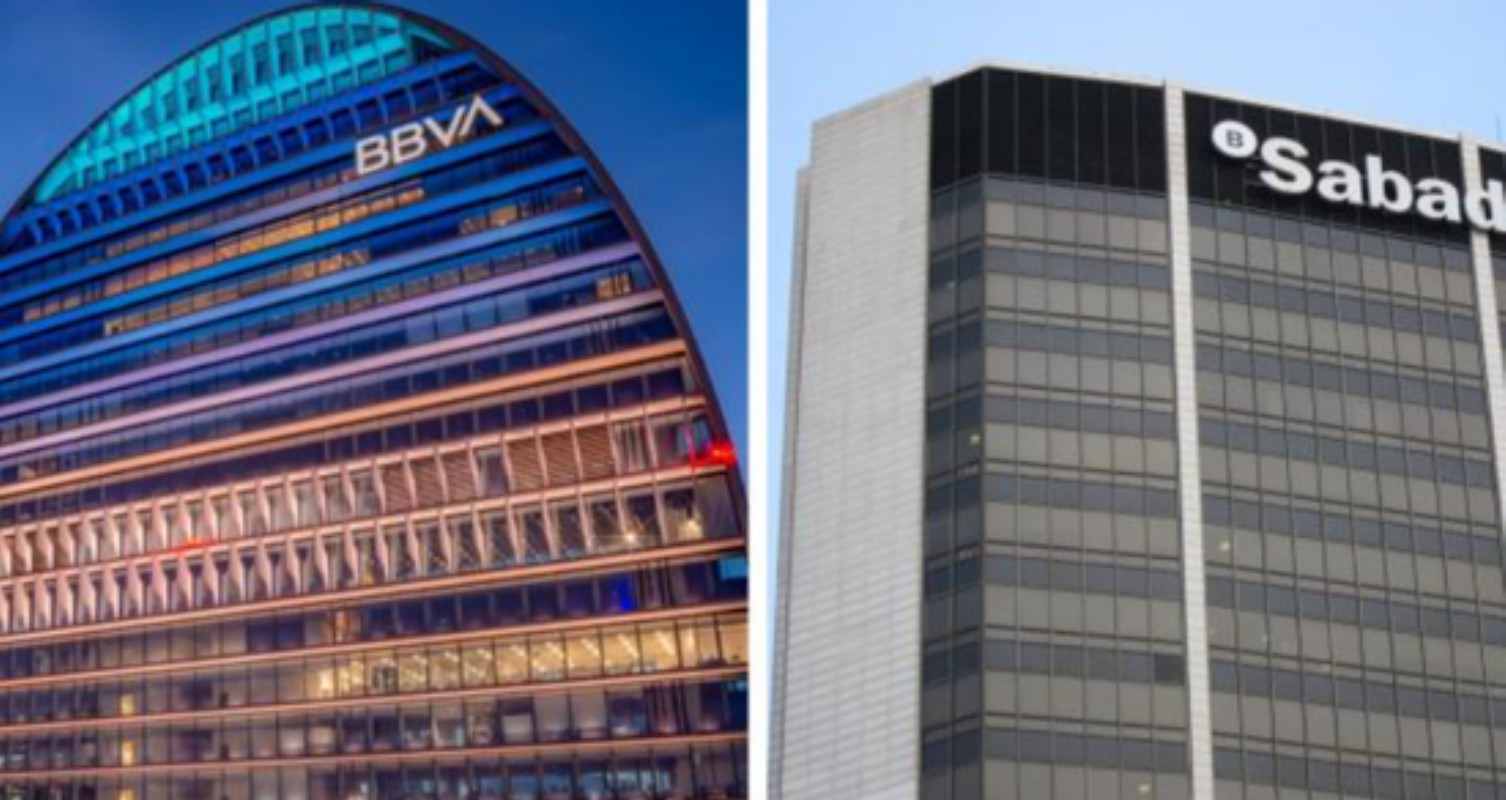
Traditional Major Banks: Peace of Mind in a Wide Branch Network
When talking about Spanish banks, you can’t ignore the big three: Santander, BBVA, and CaixaBank. Their common advantage is their vast network of branches and ATMs. You see them everywhere, making it incredibly convenient to handle transactions or withdraw cash, which offers a great sense of security. For those new to Spain whose Spanish isn’t yet fluent and who may need to communicate face-to-face with bank staff, a brick-and-mortar bank is definitely the top choice.
Santander vs BBVA vs CaixaBank
These three are quite similar, and all offer various accounts with no maintenance fees, especially for young people or new customers. However, the conditions for applying and the requirements for fee waivers can differ slightly. For example, some may require a minimum monthly deposit, while others might ask you to purchase their insurance or investment products. Be sure to read the details on their website or ask the bank staff clearly before opening an account, otherwise, the monthly fees can be a real pain! I personally use BBVA, mainly because I find their mobile app interface to be more modern, with clear and user-friendly navigation.
| Bank Name | Pros | Potential Cons |
|---|
| Santander | High international recognition, extensive branch network | App experience is relatively traditional |
| BBVA | Strong digital presence, great app | Some promotional accounts have strict requirements |
| CaixaBank | The most ATMs, widest coverage | Some users report average customer service |
Modern Digital Banks: The Choice for the Younger Generation
If you’re not attached to physical branches and prefer to manage everything on your phone, then digital banks like N26 and Revolut might be a better fit. Their biggest advantage is virtually no account maintenance fees. The sign-up process is incredibly simple—you do everything on the app by uploading your NIE and personal information, and you’re set up quickly. Furthermore, their international transfer fees are usually much lower than traditional banks, which can save a lot of money for those of us who need to manage funds to and from our home country. However, they don’t have physical cards, only virtual ones. Correction: both N26 and Revolut now offer physical cards that you can apply for, though there might be a small issuance fee. The downside is also clear: no physical branches. If you run into a problem, you can only communicate with customer service online, which might be a bit slow for complex or urgent issues.
There’s no single ‘best’ bank, only the one that’s best for you. My advice is: if you’re new to Spain, your Spanish isn’t strong, and you often need to handle cash transactions, start by opening an account with a major traditional bank to be your primary account for Spanish bank transfers. At the same time, you can open a digital bank account like N26 as a secondary option for daily spending and international transfers. This combination offers the best of both worlds. What bank are you all using? Feel free to share and discuss in the comments below!
