I moved to Spain not long ago and recently needed to use my parents’ proof of income from back home for some paperwork. The banks’ various requirements gave me a massive headache. After several trips to Santander and BBVA, I’ve finally figured out the process. I’m posting this to share my experience with anyone facing the same issue, hoping to help you avoid the same mistakes!
Many people, when thinking about parents’ bank statements, might assume it’s just a simple proof of income—get a letter from the company, have it translated, and you’re done, right? I was naive enough to think so at first. But it turns out, it’s not that simple. Banks in Spain have very high standards for the “official” and “traceable” nature of documents. They simply won’t accept a basic company letterhead document.
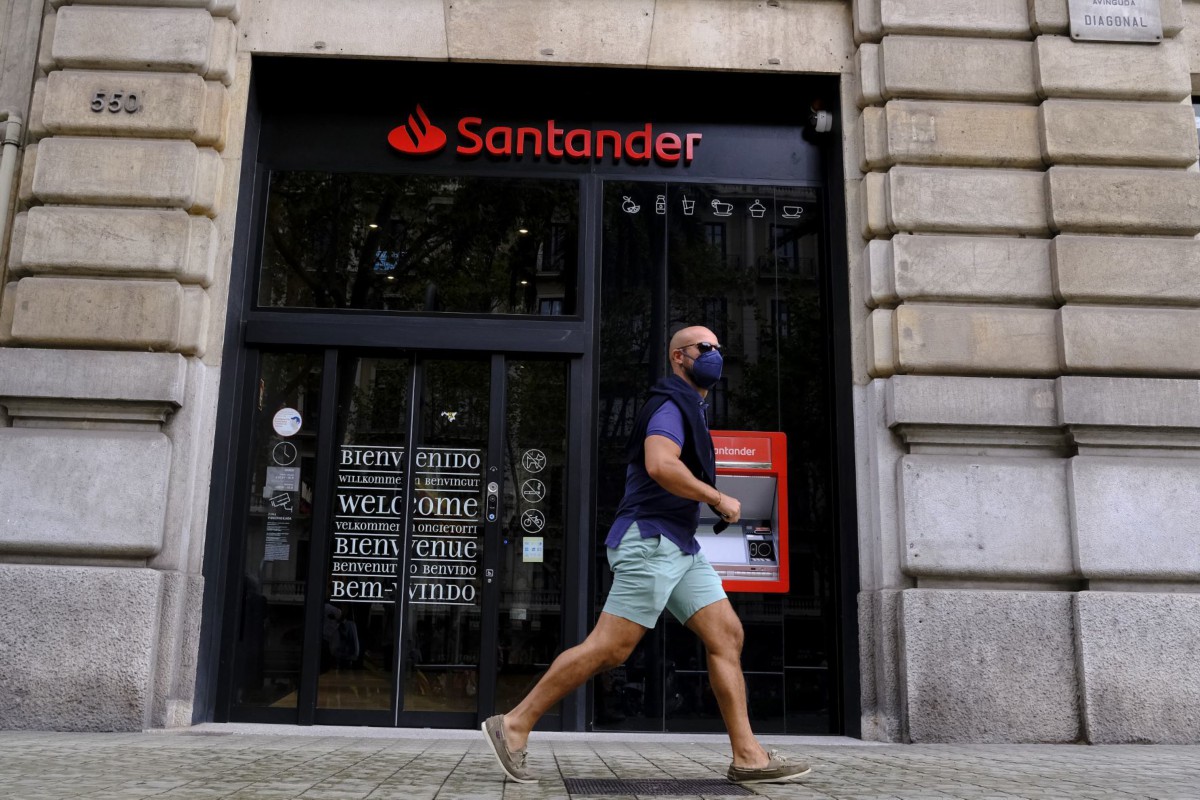
What Kind of Proof Do Banks Actually Require?
After going back and forth with bank managers, I’ve confirmed that what they really want to see is a complete chain of evidence proving your parents have a “legal, stable, and continuous” source of income. A single document holds very little weight; you need to prepare a “document package.” I’ve organized the core documents into a table for your reference:
| Document Name | Key Requirements |
|---|
| Parents’ Employment and Income Certificate | Must be printed on company letterhead, bilingual (e.g., Chinese/English or Chinese/Spanish), stamped with the official company seal, and signed by a person in charge. |
| Copy of the Company’s Business License | The copy must be stamped with the official company seal to prove the company’s legal existence. |
| Bank Statements for the Last 6-12 Months | Preferably from the salary account, clearly showing monthly salary deposits, and stamped by the bank. |
| Individual Income Tax Payment Certificate | This is crucial, just as it is for money transfers to Spain! Get it printed from the tax bureau; it’s the strongest document to prove the legality of the income. |
Legalizing Documents for Use in Spain
Preparing the Chinese documents above is just the first step. The most critical part is making them legally valid in Spain. The process is pretty much fixed: Translation -> Notarization -> Double Authentication. First, find a qualified translation agency or sworn translator for a Spanish translation. Then, take the original Chinese documents and the Spanish translation to a public notary office in your home country to get them “notarized,” which certifies that the original and the translation are consistent. Finally, the most time-consuming step is to get the notarized document “double authenticated.” Only documents that have gone through this double authentication process will be officially recognized by Spanish banks and government agencies.
Preparing your parents’ proof of income is a systematic process; don’t just rely on a single, flimsy company letter. The core idea is to: use official and multiple documents to create cross-validation. Furthermore, all documents must go through the officially recognized Spanish process of “notarization + double authentication.” I had to go back and forth several times because my documents were incomplete. I hope my experience can help you get it right the first time!
