Having just moved to Spain, I quickly realized how important it is to get a local debit card. It makes everything so much more convenient, from grocery shopping to paying utility bills online. I did some research before I came and ran into a few snags myself, so I’m starting this thread to share my personal experience. Hopefully, it can help others who are new here.
Which Bank to Choose?
There are tons of banks in Spain, but the major ones are Santander, BBVA, and CaixaBank. I was mainly deciding between these three. Here’s a quick rundown:
- Santander: They have a massive network of branches; you can find one on almost every corner, which is very convenient for in-person services. However, I’ve heard their account deals for young people aren’t the best, and you might encounter some account maintenance fees.
- BBVA: Their mobile app is exceptionally well-designed—it’s feature-rich, smooth, and very modern. You can handle most transactions on your phone without ever needing to visit a branch. They are also famous for their online banking services.
- CaixaBank: Another major player with plenty of branches and ATMs. Their ATMs are particularly powerful, offering features like cardless deposits. Personally, I find their app interface a bit dated, though.
What Documents Do You Need to Open an Account?
This is what everyone is most curious about. While requirements might vary slightly from bank to bank, they are generally the same. Here’s what I brought with me:
| Required Document | Notes |
|---|
| Passport/NIE | Proof of identity, original required |
| Proof of Address (Padrón) | Known as ‘Padrón,’ this certifies your residence |
| Proof of Funds | e.g., scholarship letter, work contract, or parents’ bank statements |
| University Acceptance Letter | This is very useful if you’re a student, and some banks, like Unicaja, may have specific student accounts. |
Friendly reminder, it’s best to book an appointment (a ‘Cita’) on the bank’s official website before you go. Otherwise, you might make a wasted trip, especially in big cities. Also, it helps to bring a friend who speaks some Spanish or to prepare a few basic phrases yourself, as not all bank employees are fluent in English.
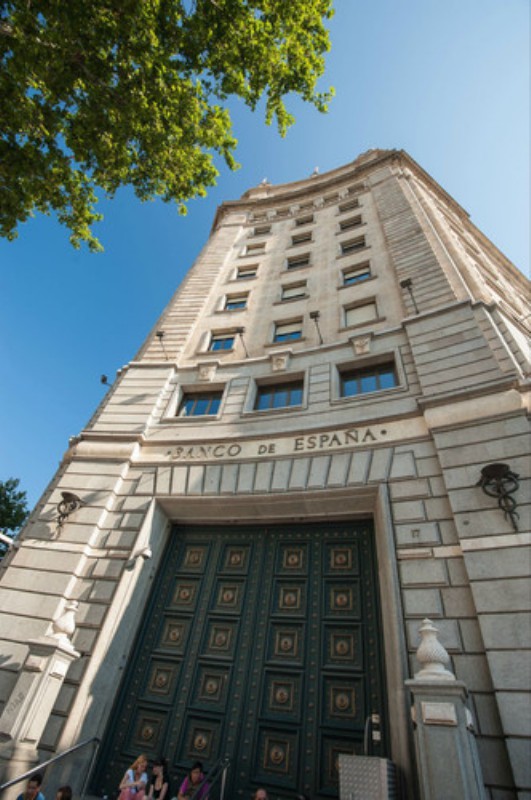
In the end, I chose BBVA, mainly for its online services, which are perfect for someone like me who prefers to avoid visiting Spanish banks in person. The account opening process was quite smooth; the bank staff was patient and guided me through the paperwork step by step. The card arrived in the mail about a week later. So far, my experience has been great—I get real-time notifications for transactions and transfers, and the app even provides a monthly spending analysis. Of course, this is just my personal choice and might not be the best for everyone. You should decide based on your own needs, such as which bank has more branches near you, or whether you prioritize a great app experience over in-person customer service. Feel free to leave a comment below to share which bank you use and what you think its pros and cons are!
