I recently moved to Spain and was thrown for a loop when my landlord asked for a check for the security deposit. Back home, we use mobile payments for almost everything, so I had no idea what to do! After some research, I’ve figured it out and wanted to share what I learned with anyone else in the same boat.
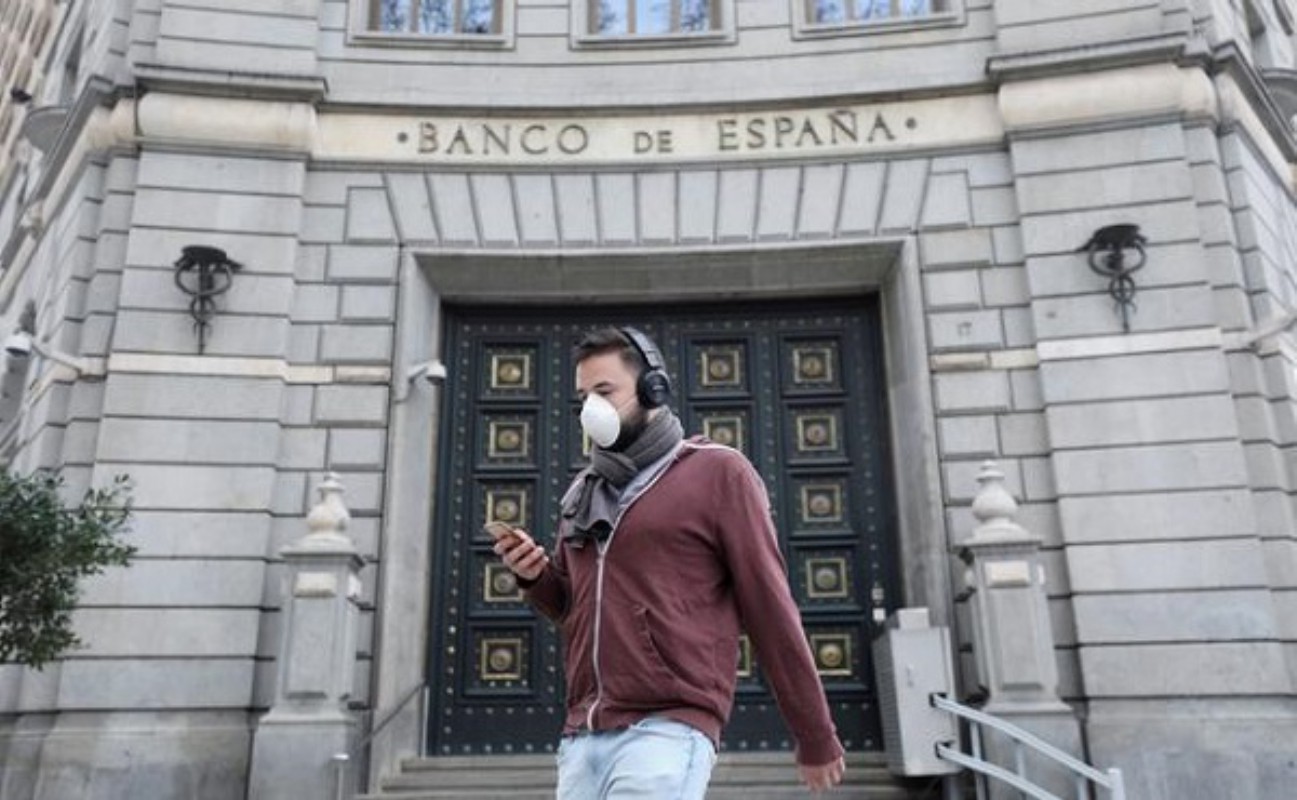
What is a Checkbook and How to Apply for One?
Simply put, a checkbook is a book of blank checks, called a Talonario de cheques in Spanish. You’ll need a current account (checking account) with a bank before you can request one from your bank manager. I’m with Santander and was able to apply directly through their app, but some banks might require you to go to a branch in person. When you apply, the bank will review your account’s status, such as whether you have a steady income stream and how long the account has been open. If your account is brand new or has a low balance, the bank might reject your request, which can feel a bit unfair.
What to Know Before Applying for a Checkbook?
Getting a checkbook isn’t free! The bank charges an issuance fee, known as comisión de emisión. Fees vary by bank, and in addition to the costs of opening a bank account in Spain, there might also be annual maintenance fees. So, unless you absolutely need one, it’s probably not worth it. I asked, and a book of 25 checks costs around €10 to €20, depending on the bank. I recommend checking the Tarifas y comisiones (Fees and Commissions) section on your bank’s official website beforehand to get a clear idea of the costs.
How to Correctly Fill Out a Spanish Check?
Once you have your checkbook, filling it out correctly is crucial. A mistake could void the check or even lead to disputes. A standard Spanish check includes the following sections. Follow them carefully to avoid any errors:
| Spanish Term | English Meaning | Instructions |
|---|
| Páguese por este cheque a | Pay to the order of | Write the payee’s full name or the full name of the company. It must be exact. |
| La suma de | The sum of | Write out the amount in Spanish words, for example, “Mil quinientos euros”. |
| € | Amount | Write the amount in numerals, for example, “1,500.00”. |
| Lugar y fecha de emisión | Place and date of issue | Write the city and date of issue, format: Madrid, a 20 de mayo de 2024. |
| Firma | Signature | Sign with the same signature you provided when opening the account. It must match! |
When writing the amount, both the numerical and written-out amounts must be clear and they must match. If they don’t, the bank has the right to refuse payment. Also, note that the ‘a’ and ‘de’ in the date format are standard, so just follow the example. It’s also a good idea to take a photo of the completed check for your records, just in case.
Writing a check in Spain isn’t complicated, but it does feel like a bit of a ‘vintage’ skill. Nowadays, many large payments can be made via bank transfer, which might even have lower fees. However, since you might still need one in certain situations, it’s good to know how. I hope my experience helps you out!
