Having just moved to Spain, dealing with banks has become a daily routine—opening accounts, transferring money, paying utility bills… Over time, I grew curious about how the Spanish banking system is actually structured. It felt different from what I was used to, not quite like the purely commercialized systems in other countries. I did some research, and today I’d like to share my understanding of the architecture of the Spanish banking system and how the country’s finances are managed. Please feel free to correct or add anything I might have missed!
The Pyramid of the Spanish Banking System
In simple terms, Spain’s banking system is like a pyramid. At the very top is, without a doubt, Spain’s central bank—the Banco de España. It doesn’t deal directly with the general public, but it’s responsible for supervising the entire national financial system, implementing monetary policy, printing currency, and maintaining financial stability for Spanish banks. You can think of it as the ‘chief steward’ of all banks.
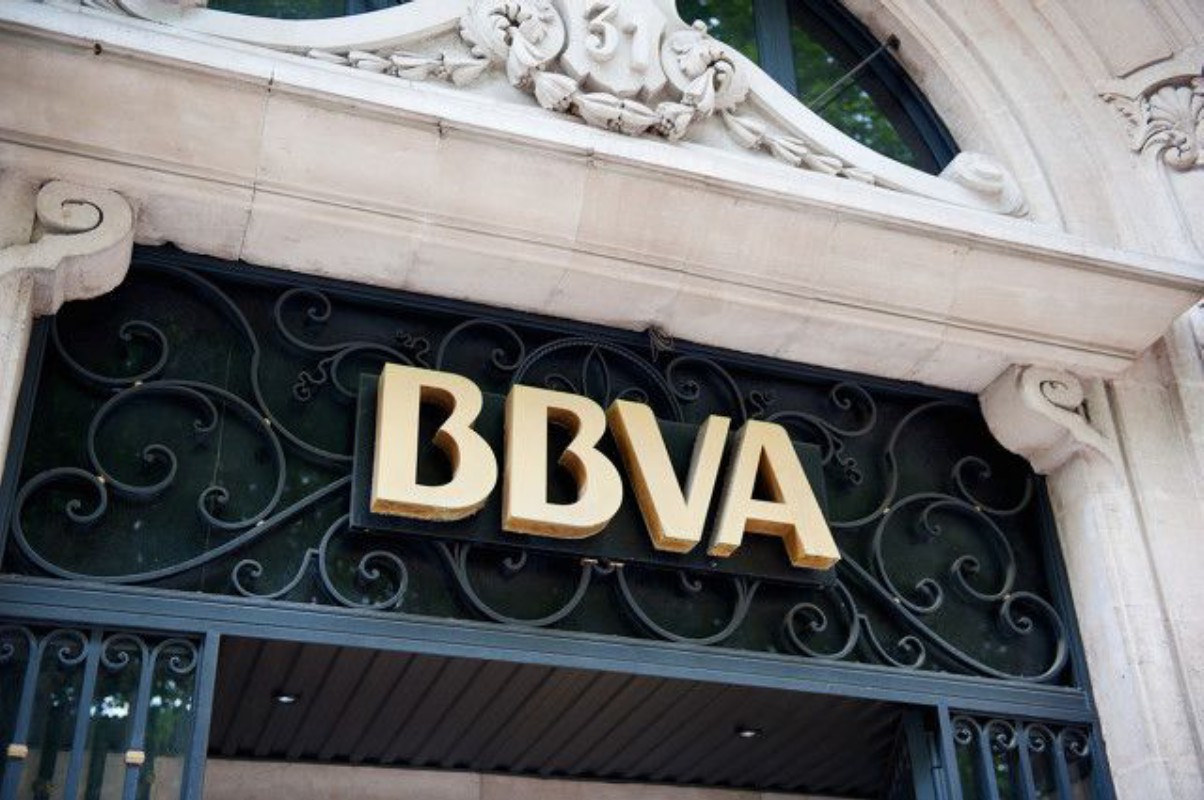
The middle layer of the pyramid consists of the banks we interact with most frequently. These can be broadly divided into three categories:
Commercial Banks
This is the main component of the system. Well-known names like Santander and BBVA fall into this category. They are purely commercial institutions with profit as their primary goal. Their scope of business is extensive, covering everything from personal savings and loans to corporate finance and investment banking. Their branches are spread across the country and even globally, and they are financially very powerful.
Savings Banks (Cajas de Ahorros)
These are arguably a unique feature of the Spanish banking system. Originally, savings banks had a strong regional and social welfare character. For instance, the famous CaixaBank evolved from the Barcelona Savings and Pension Bank. A significant portion of their profits is allocated to social projects and cultural initiatives. However, following the major reshuffle and reforms after the 2008 financial crisis, many savings banks underwent restructuring and commercialization. Today, the line between them and commercial banks has become increasingly blurred, but some of their ‘social DNA’ still remains.
Rural Credit Cooperatives (Cajas Rurales)
These institutions are typically smaller and primarily serve specific regions, especially agricultural producers in rural areas or members of particular industries. Their goal is not to maximize profit but to provide financial mutual aid to their members. If you see a bank named something like Caja Rural in a small town, that’s likely what it is. For most of us living in cities, we may have less contact with them.
I’ve put together a simple table to help visualize the differences between them:
| Bank Type | Primary Goal | Target Clients | Representative Institutions |
|---|
| Commercial Banks | Profit maximization | General public | Santander, BBVA |
| Savings Banks | Balancing profit and social responsibility | Regional, general public | CaixaBank |
| Rural Credit Cooperatives | Providing mutual aid to members | Specific communities or regions | Grupo Caja Rural |
Spain’s banking system is a structure where diverse models coexist. Although we mostly deal with the major banks in our daily lives, understanding the composition of the entire system is quite interesting. Which bank do you primarily use? How do you find their service? Let’s chat about it!
