Lately, I’ve seen many newcomers asking about opening a bank account in online groups, feeling all stressed out as if they were starring in a Money Heist bank robbery, haha. Don’t scare yourselves! Opening a bank account in Spain is not that complicated. I made a few mistakes when I first arrived, so today I’m sharing my experience to help out those who come after me.
What Documents Do You Need to Prepare?
Proper preparation is half the battle. Whether you’re a student or here for work, it’s best to bring all the following items with you to the bank. Remember, bring both the originals and photocopies, just to be on the safe side!
- Proof of Identity: Your passport is essential. If you already have your residence card (TIE), bring it. If you only have the NIE assignment paper, bring that along as well.
- Proof of Address: A recent Certificado de Empadronamiento, usually valid for 3 months. You can get this from your local town hall (Ayuntamiento).
- Proof of Status or Funds: This is more flexible. Students can bring their university acceptance letter or proof of tuition payment. Those with jobs can provide their employment contract. This is mainly to prove you have a legitimate reason for being here, haha.
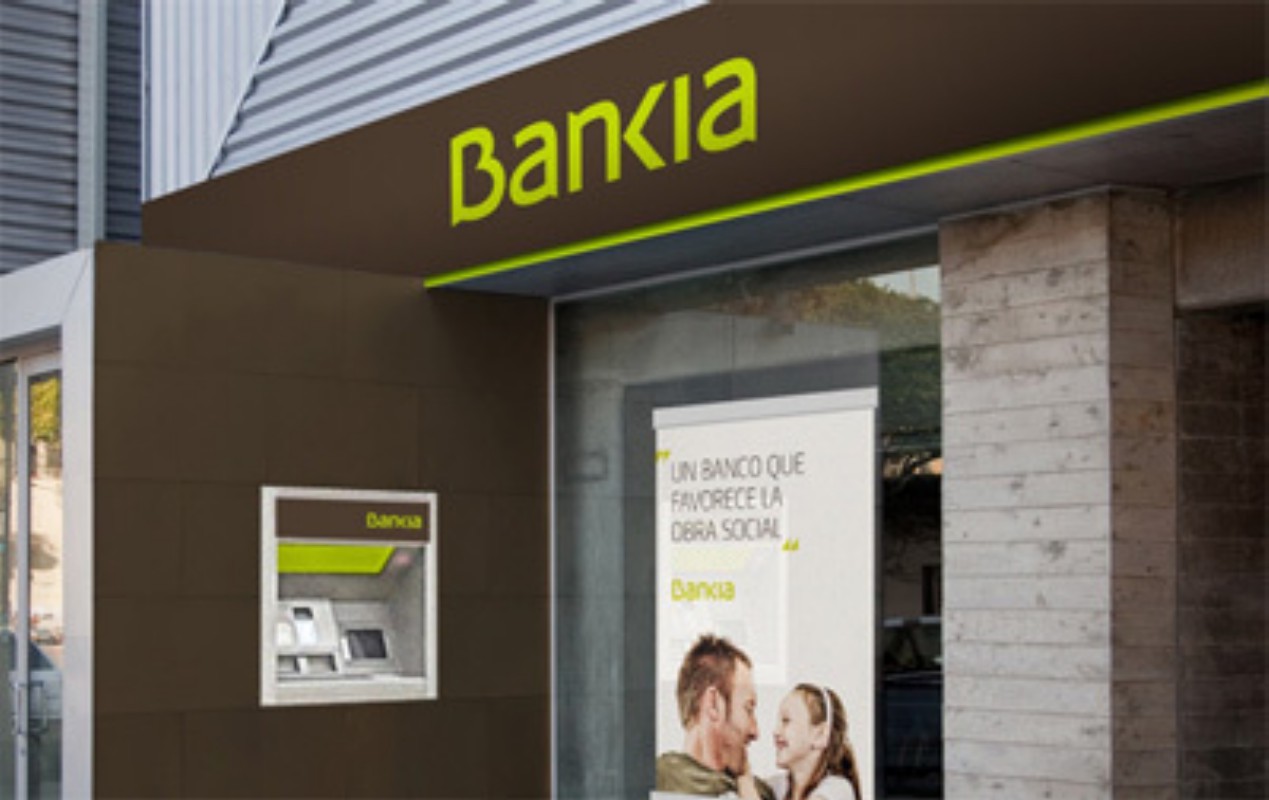
Which Bank Should You Choose?
The ‘big three’ banks in Spain are Santander, BBVA, and CaixaBank. You’ll find their branches and numerous ATMs in almost every city. I personally use BBVA and find their app experience to be excellent, but they are all quite similar. The best choice depends on your needs and the terms they offer.
| Bank Name | Pros | Things to Note |
|---|
| Santander | Numerous branches, high international recognition | Their youth accounts can have age restrictions, a common practice for [Spanish banks]. |
| BBVA | User-friendly app, leading digital services | Some accounts require a minimum deposit to waive maintenance fees |
| CaixaBank | Extremely wide ATM network, frequent promotions | Formerly known as ‘La Caixa’; be sure to ask about their account maintenance fee policy |
My advice is: Walk into the nearest branch and speak with an account manager. Explain your situation and ask if they have any fee-free accounts for young people. Make sure to ask about all potential fees! This includes account maintenance fees, annual card fees, etc. Don’t be shy—get all the details clear before you sign anything.
The process might require some patience. Sometimes the bank staff can be slow, or you might need to submit additional documents. Just stay calm and treat it as a Spanish practice session. It took me two trips to get my account opened. I hope you all get it done in one go! Once you have your bank card, you can start your happy shopping life in Spain! No more carrying wads of cash around.
