Just arrived in Spain? Finding a place to live is the top priority. After a dizzying search for an apartment, I’ve finally signed a contract and moved into my new home! Speaking from experience, rental contracts can be quite tricky, and you can easily get burned if you don’t pay attention to the details. Today, I’m writing a post to share my experience with reading contracts and negotiating with landlords, hoping to help fellow students who come after me.
Lease Term
Spanish rental contracts, especially for long-term leases, offer quite good legal protection for tenants. Under the current Urban Leasing Law (Ley de Arrendamientos Urbanos), even if your contract is for only one year, you have the right to extend it for up to five years. The landlord can’t just evict you unless they have a very valid reason, like needing the property for themselves or their immediate family, and they must provide advance notice as specified in a rental contract template. So, don’t panic if you see a one-year term; it’s standard practice. However, if you only plan to rent for a few months, you must state this clearly in the contract. Otherwise, you might lose your deposit for an early lease termination.
Deposit and Other Fees
A security deposit is mandatory, and by law, it’s equivalent to one month’s rent. The landlord is required to deposit this money with a designated government agency. In addition to this, the landlord might ask for an additional guarantee, but the total deposit cannot exceed two months’ rent. This is a key detail when considering renting and residency. When signing, carefully check for any other fees besides the deposit and the first month’s rent, such as an agency fee. Generally, the law now states that the agency fee is the landlord’s responsibility, not the tenant’s. If an agent insists you pay it, you can show them the relevant legal article.
Property Condition and Maintenance Responsibilities
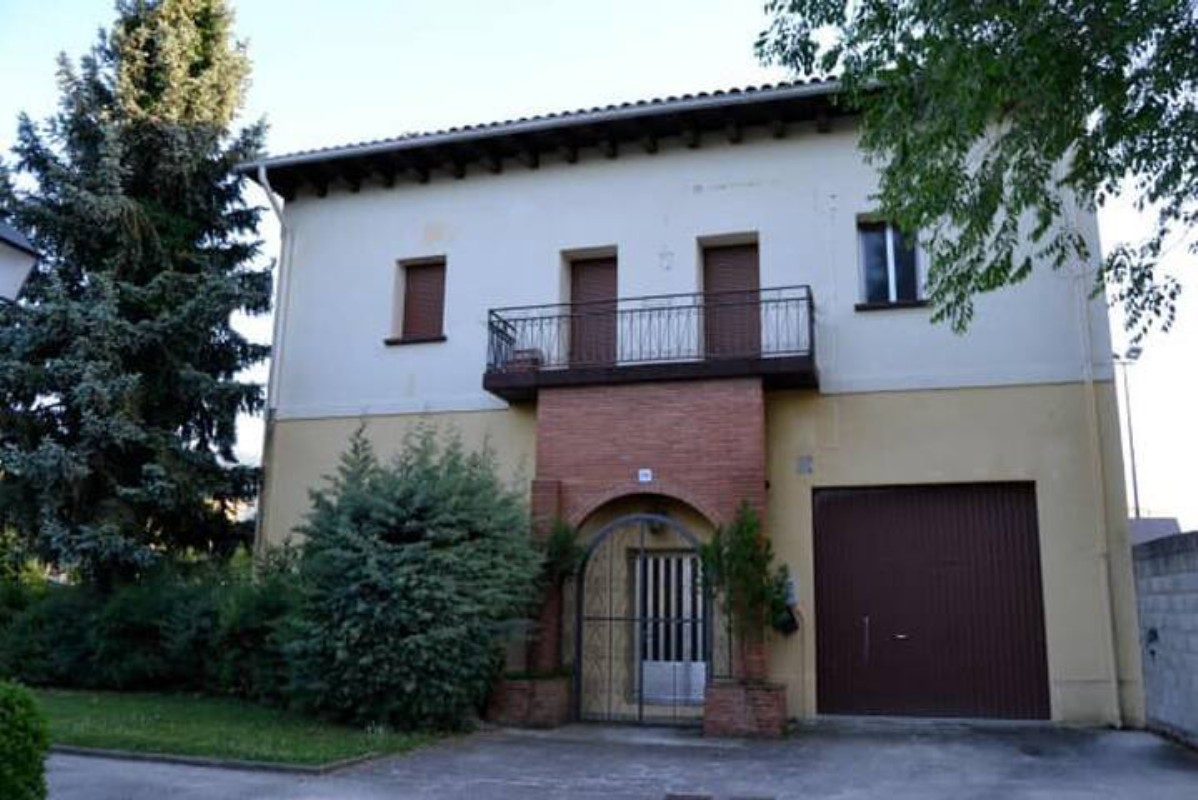
Before signing the contract, thoroughly inspect the property. Check if all appliances work, look for cracks in the walls, and check for any leaks. It’s best to take photos or videos, send them to the landlord to have a record, and include them as an appendix to the contract. Regarding repairs, you can refer to the table below to understand who is responsible for what:
| Repair Type | Responsible Party | Notes |
|---|
| Minor daily repairs | Tenant | Minor wear and tear from daily use |
| Major repairs | Landlord | Non-tenant-caused damage, issues affecting habitability |
| Tenant-caused damage | Tenant | e.g., accidentally breaking a window |
In short, the landlord is responsible for maintaining the basic habitable condition of the property, while we are responsible for small issues arising from daily use. If an appliance breaks, notify the landlord immediately, keep a record of your communication, and don’t hire someone to fix it yourself and then ask for reimbursement. This can easily lead to disputes.
Make sure you get a complete copy of the contract signed by the landlord. If you’re going through an agency, also ensure the landlord’s personal information and signature are on the agreement. Contracts in Spain are usually in Spanish. If your Spanish isn’t strong, get a translator or a friend who is fluent to review it for you. Don’t be afraid to ask for help. After all, this is where you’ll be living for a while. A little extra effort upfront can save you a lot of trouble later. Hope everyone finds their perfect home in Spain!
