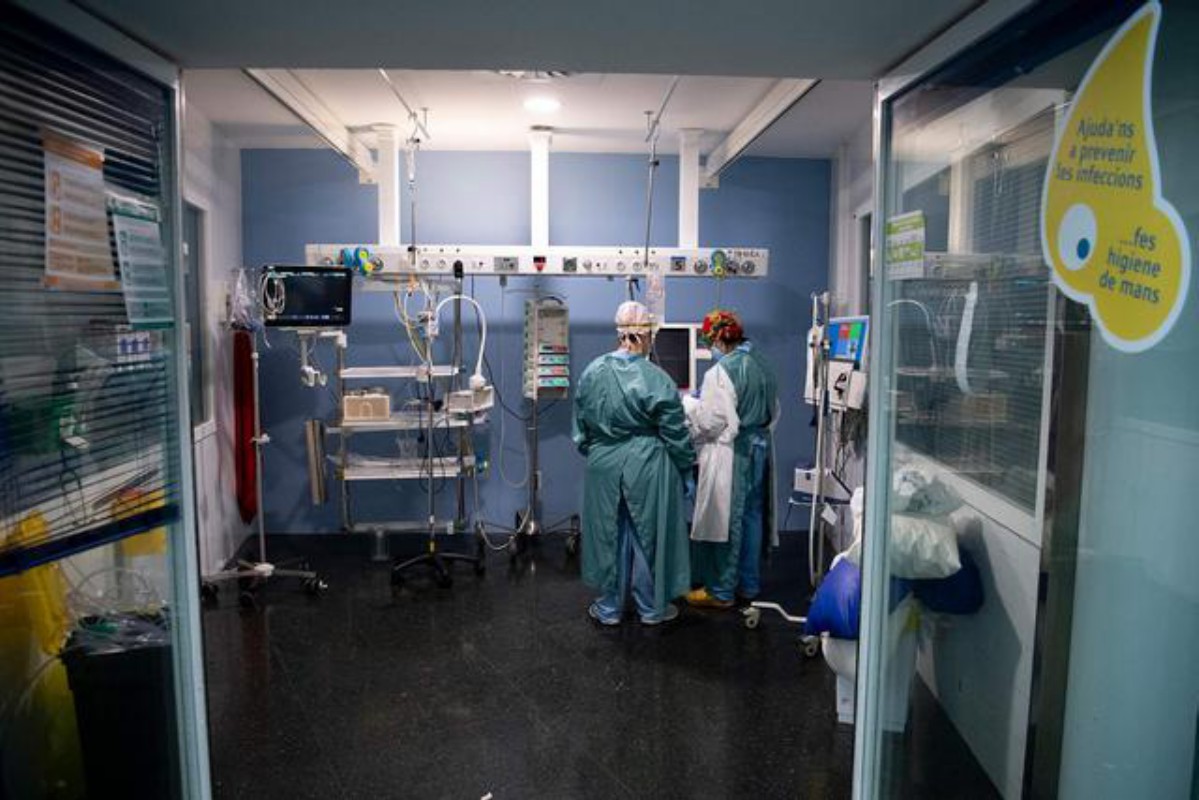
Having recently moved to Spain, I had a rather unpleasant experience at a local public hospital’s emergency room for acute gastroenteritis. Not only was the waiting time excessively long, but the doctor’s diagnosis also felt a bit cursory. When I mentioned this to my neighbor, he told me that in Spain, if you feel a hospital’s handling of a situation is problematic, you can absolutely file a formal complaint through the proper channels for seeing a doctor in Spain. I did some research and have outlined the entire process to share with anyone who might need it.
First, Distinguish Between Suggestions and Complaints
Before we begin, it’s important to clarify three key terms:
- Sugerencia (Suggestion): This is when you believe certain aspects of the hospital could be improved, such as adding translation services or improving the waiting area environment. It’s a milder form of feedback.
- Queja (Complaint): This applies when you are dissatisfied with a service, but it hasn’t resulted in serious consequences. Examples include a nurse’s poor attitude or an excessive waiting time.
- Reclamación (Formal Complaint): This is for situations where you believe you have received unfair or unprofessional treatment, resulting in actual health or financial damages. This is the most serious level, and the hospital is legally obligated to process it and provide a written response.
Today, we will focus on the last and most serious type: the Reclamación.
Complaint Channels and Procedures
Whether it’s a public or private hospital, the first step is to locate the internal “Servicio de Atención al Paciente” (Patient Services Department). This is the official department for handling such issues. If you can’t find it, just ask at the información (information) desk.
The complaint process is generally as follows. This guide focuses on patient complaints, but other internal hospital processes, such as a nurse transfer, also follow specific protocols.
- Fill out the complaint form: This is the most crucial step. On this form, you must clearly and objectively describe the sequence of events, what you believe was handled improperly, and what you demand as a resolution. This is different from the general process of seeing a doctor in Spain, as it’s a formal complaint about a specific issue. Remember to include your personal information, the date and time of the incident, and the specific doctor or department involved.
- Submit the documents: The form is prepared in triplicate: one copy for the hospital, one for the relevant government authority, and one for you to keep. When you submit it, a staff member will stamp it and give you a receipt. This receipt is very important, so be sure to keep it safe!
- Wait for a response: By law, the hospital is obligated to provide you with a written reply within a specified period. They will investigate your complaint and then provide a resolution or an explanation.
- Further action: If you are not satisfied with the hospital’s response, you can seek further assistance from your autonomous community’s health department (Consejería de Sanidad) or a patient advocacy association (asociación de defensa del paciente).
To make it clearer, I’ve created a simple table outlining the main departments for different types of complaints:
| Complaint Type | Primary Department | Notes |
|---|
| Quality of medical service | Servicio de Atención al Paciente | The first and most direct step within the hospital. |
| Billing and fee issues | Departamento de Facturación | Mainly for fee disputes in private hospitals. |
| Serious medical malpractice | Vía judicial (Legal channels) | Consulting a lawyer is recommended; these cases are complex. |
Hopefully, you’ll never need this article, but if you do run into a bad situation, you’ll know how to defend your rights. In Spain, expressing your demands reasonably and legally is a right everyone has. Have you ever had to file a complaint at a hospital? Feel free to share your experiences in the comments below to help others!