Yesterday, while scrolling through TikTok, I came across a video that was both hilarious and touching. It was filmed in a [Spanish hospital], where several abuelos and abuelas (grandpas and grandmas), still in their hospital gowns and some even with IV drips in their hands, were dancing Flamenco in the hallway to the background music! Their movements were a bit clumsy, but the smiles on their faces were absolutely radiant. The medical staff stood by, not only not stopping them but clapping along to the rhythm, and some even joined in. The whole scene was incredibly heartwarming, and the comment section was filled with Spanish comments saying, “This is Spain!”
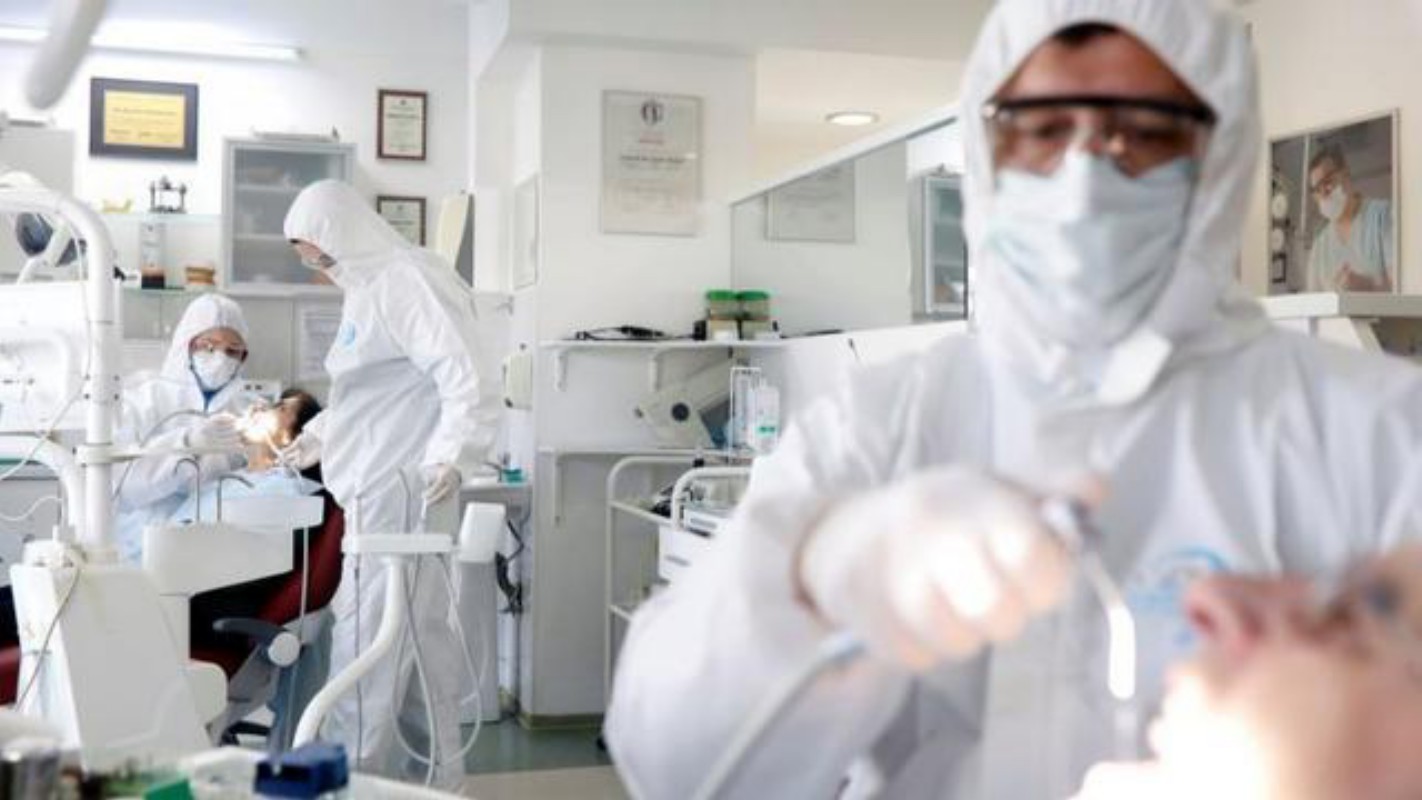
This reminded me of my own experience visiting a doctor shortly after I first arrived in Spain. At the time, I was extremely nervous due to the language barrier, and I had already heard about the notorious inefficiency of public hospitals. But the doctor, an older gentleman, saw how nervous I was and actually started joking with me. He even awkwardly tried out a few phrases of Chinese he had learned from Chinese patients, which instantly made me laugh. While I was waiting for my test results, a nurse noticed me fidgeting, brought me a glass of water, and started making small talk. In that moment, I truly felt like I wasn’t just a cold, impersonal case file, but a person who was being cared for.
Optimism is the Best Medicine
I believe that behind this phenomenon lies Spain’s deep-seated culture of optimism and enjoying life. For them, while illness is certainly painful, it doesn’t mean you have to give up on happiness. A hospital isn’t just a place for treating diseases; it’s a community where warmth and hope need to be shared. This positive mindset is, in itself, a powerful medicine. It has an invaluable effect on both the physical recovery and the mental well-being of patients.
Many of us are used to the quiet, serious environment of a hospital, believing patients should simply lie in bed and rest. But Spaniards see it differently. They bring the customs of family gatherings, festive celebrations, and even dancing from the public squares right into the hospital. I’ve heard that in some hospitals at Christmas, the staff and patients sing carols and decorate the wards together, creating a party-like atmosphere. This positive approach might even impact serious metrics like mortality rates in Spanish hospitals. It’s a world of difference from the perception of illness and hospitals in many other cultures.
A Quick Rundown of the Healthcare Cultural Differences I’ve Noticed
After a few years in Spain, I’ve gotten to know a bit about the healthcare system here, from routine check-ups to more somber procedures like arrangements after a death in a Spanish hospital. While the long waiting times for appointments are notorious, the humanized experience is excellent once you actually get to see a doctor. I’ve put together a simple list of the most obvious differences I’ve personally noticed:
| Aspect | Spain | In China |
|---|
| Atmosphere | Relatively relaxed, noisy, like a community center | Serious, quiet, and orderly |
| Doctor-Patient Relationship | Like chatting with friends, very interactive, often joking | More distant, focused on efficiency |
| Patient’s Condition | Encouraged to get out of bed, be social | Emphasis on quiet rest, limited activity |
| Visiting Culture | Flexible hours, family can even stay overnight | Strict visiting hours and rules |
These are just my personal observations and feelings, so they might not be completely accurate. Have any of you had similar interesting or heartwarming experiences with healthcare in Spain? Or what are your thoughts on this ‘hospital dancing’ culture? Let’s discuss in the comments!
