Lately, I’ve seen many posts on social media and in the news about overcrowded emergency rooms in Spain, with photos of patients even lying on corridor floors. It’s truly heartbreaking. This reminded me of my own experience going to the ER at a large public hospital in Madrid late one night. While I didn’t see anyone on the floor, the scene was ‘shocking’ enough.
That night, I had acute gastroenteritis and the pain was unbearable, so a friend drove me to the hospital. The moment I entered the ER, it was absolutely packed. People of all ethnicities and ages were there; the air was filled with coughs and groans, making it feel like a chaotic transit hub. The triage nurse was efficient, though. After asking a few basic questions, she put an orange wristband on me, indicating a ‘very urgent but not life-threatening’ condition, and then the long wait began.
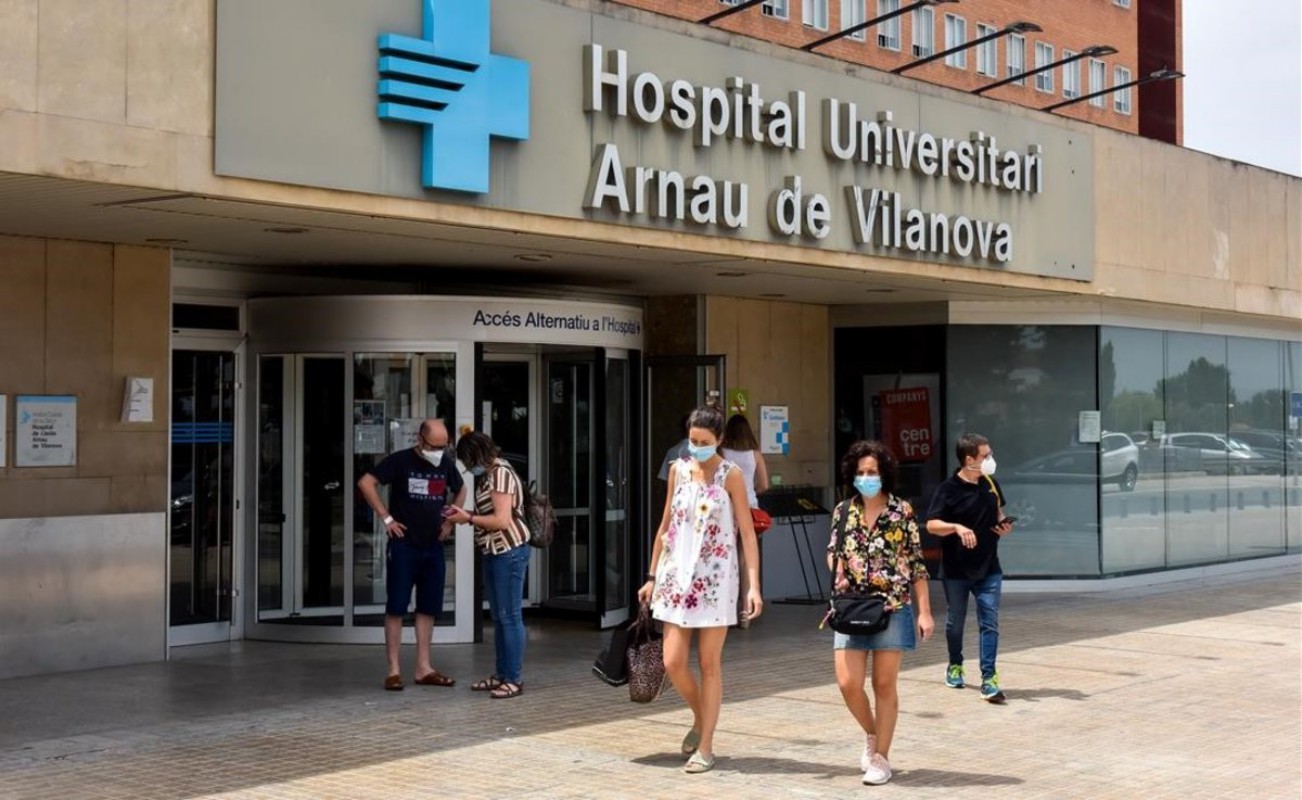
All the chairs in the waiting area were already taken, with many people standing against the walls or sitting on the floor. I waited for nearly 4 hours before my name was called to see a doctor. The doctors and nurses were incredibly busy, rushing everywhere. Their attitude was professional, but you could clearly sense their exhaustion from working under extreme pressure. After getting tests and an IV drip, it was almost morning by the time the whole ordeal was over. It’s a stressful environment that makes you think about more serious situations, like what to do after a death in a Spanish hospital. My friend joked, if we had waited any longer, my illness might have cured itself before I even saw a doctor at these [Spanish hospitals].
It feels like the pressure on Spain’s public healthcare system has been increasing significantly in recent years. On one hand, universal healthcare attracts many people; on the other, staffing and budgets don’t seem to keep up with the growing demand, especially during flu season or after public holidays. Long waiting times are a common phenomenon, not just in the ER. It’s considered normal to wait several months, or even half a year or more, for an appointment with a specialist.
My Takeaway: What Do the ER Triage Colors Mean?
While waiting, I did some research and also asked a nurse. Basically, the color of the ER wristband indicates the level of urgency. I’m sharing this for your reference. There might be slight variations between different autonomous communities or hospitals, which can even affect things like mortality rates in Spanish hospitals, but the system is generally the same.
| Color | Urgency Level | Approx. Waiting Time |
|---|
| Red | Life-threatening, immediate resuscitation | Immediate |
| Orange | Very urgent | Within 10-15 mins |
| Yellow | Urgent | Within 60 mins |
| Green | Standard, can wait | Within 2 hours |
| Blue | Non-urgent | Within 4 hours |
Looking at this chart and thinking about how I waited nearly 4 hours with an orange wristband… all I can say is that theory and reality are two different things. Has anyone else had a similar experience? Or do you have any tips for getting seen more quickly in Spain? Feel free to share and discuss in the comments below.
