My family recently went through a difficult event: a loved one passed away in a hospital in Spain. It has been an incredibly tough time, filled not only with grief but also with the need to handle numerous complex arrangements. When I searched online for information about this process, I found the resources to be scattered and not very systematic. That’s why I wanted to document the entire procedure we went through, hoping to offer some guidance to others who might need it. This reference might help you navigate the process in [Spanish hospitals] more smoothly and know what to do next during such a challenging time.
Step 1: Obtain the Medical Certificate of Death from the Hospital
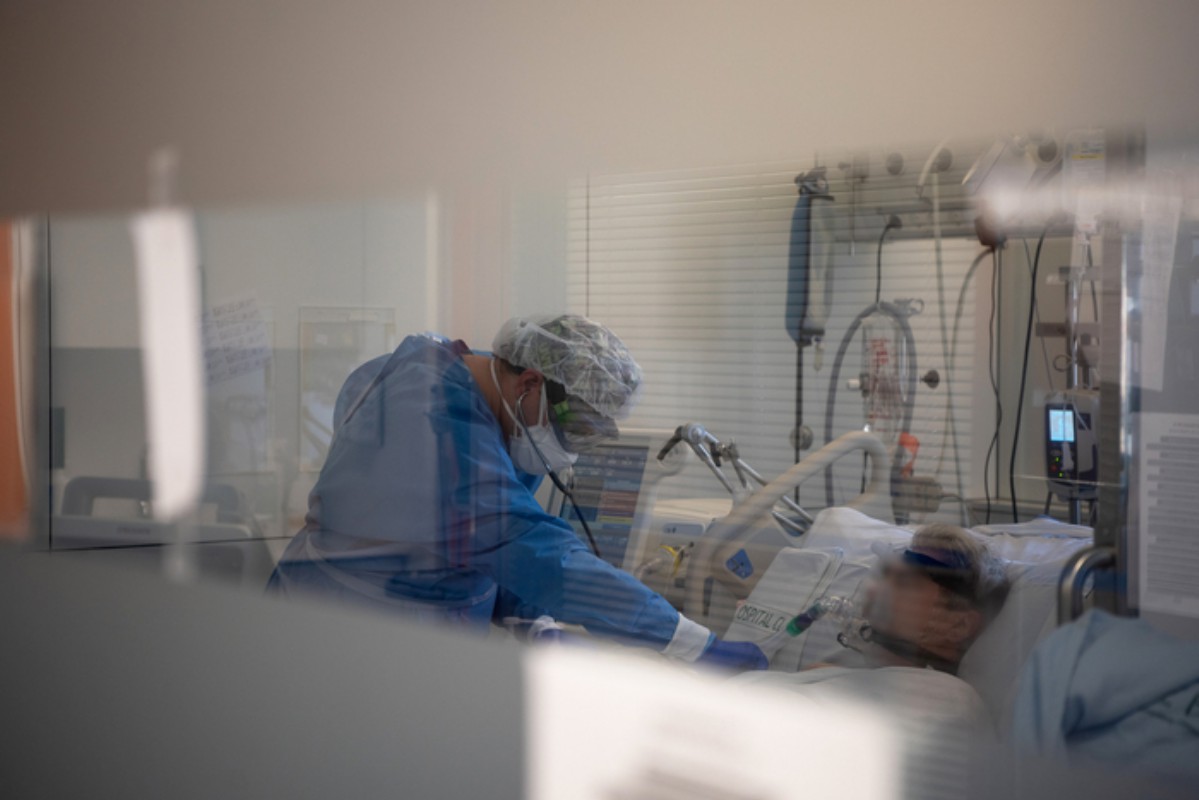
After a doctor officially declares the patient’s passing, the hospital will issue a crucial document: the Certificado Médico de Defunción (Medical Certificate of Death). It’s important to note that this is not the final, official death certificate, but rather a medical document issued by the doctor confirming the fact and cause of death. This is the starting point for all subsequent procedures (a reality reflected in discussions about mortality rates in Spanish hospitals). The doctor will typically give this document to the family. Be sure to carefully check all the personal information on it, such as the name and NIE/DNI number, for accuracy. At this stage, hospital nurses or social workers will usually provide guidance and advise you to contact a funeral home.
Step 2: Contact a Funeral Home and Decide on the Arrangement
Once you have the doctor’s certificate, you need to choose and contact a funeral home (funeraria) immediately. Funeral services in Spain are privatized, so you are free to choose any provider. If you have a funeral insurance policy (seguro de decesos), the process is much simpler. Just call the insurance company, and they will arrange for their partner funeral home to handle everything. If you don’t have insurance to cover the post-mortem arrangements in a Spanish hospital, you’ll need to find one yourself. You can search on Google Maps for “funeral home near me” (or “Funeraria cerca de mí” in Spanish) or ask the hospital social worker for recommendations. The funeral home will send representatives to the hospital to take over, which includes transporting the deceased to their facility. At the same time, they will discuss the options for how the body is to be handled, mainly cremation or burial.
Cremation vs. Burial: A Comparison
| Item | Cremation | Burial |
|---|
| Main Process | The body is cremated at a crematorium, after which the family receives the urn. | A grave plot is purchased at a cemetery, and a burial ceremony is held. |
| Cost | Relatively lower, typically between €2,500 - €4,500. | Higher cost; the right to use a grave plot alone can cost thousands or even tens of thousands of euros. |
| Follow-up | Ashes can be taken home, scattered at sea, or placed in a special columbarium. | Requires regular maintenance of the grave and payment of management fees. |
Step 3: Register the Death at the Civil Registry and Obtain the Official Death Certificate
This step is also typically handled by the funeral home; in fact, it’s a key part of the services covered by their fee. The funeral home will take the Medical Certificate of Death from the hospital, along with the deceased’s identification documents, to the local Civil Registry (Registro Civil) to register the death. Once the registration is complete, the Civil Registry will issue an official Certificado Literal de Defunción (Literal Certificate of Death). This is the legally binding death certificate required for all subsequent administrative tasks, such as closing bank accounts, handling inheritance, and claiming social security benefits. Doing this yourself can be complicated, so it’s highly recommended to let the funeral home manage it. You can usually get it within a few days, and they will provide you with several original copies. Remember to keep them in a safe place.
