As the weather has gotten colder recently, many of my friends have caught a cold, and I was no exception. I initially thought it was just a common cold, but it dragged on for nearly two weeks. While other symptoms disappeared, this cough just wouldn’t go away. It was especially bad at night, keeping me from sleeping and making me feel like I was going to cough my lungs out.
I finally couldn’t take it anymore and decided to go to the hospital to be safe. Since it was just a cough without a fever or breathing difficulties, which are more urgent symptoms, I didn’t call an ambulance for seeking medical care in Spain. Instead, I went to the emergency room of the nearest public hospital myself. A quick tip for everyone: if it’s not a very urgent situation, like needing a sudden scalp examination, it’s best to first visit your local GP (General Practitioner). They will refer you to a larger hospital if they can’t handle it. However, since my situation had been going on for a while and I was worried, I went straight to the ER.
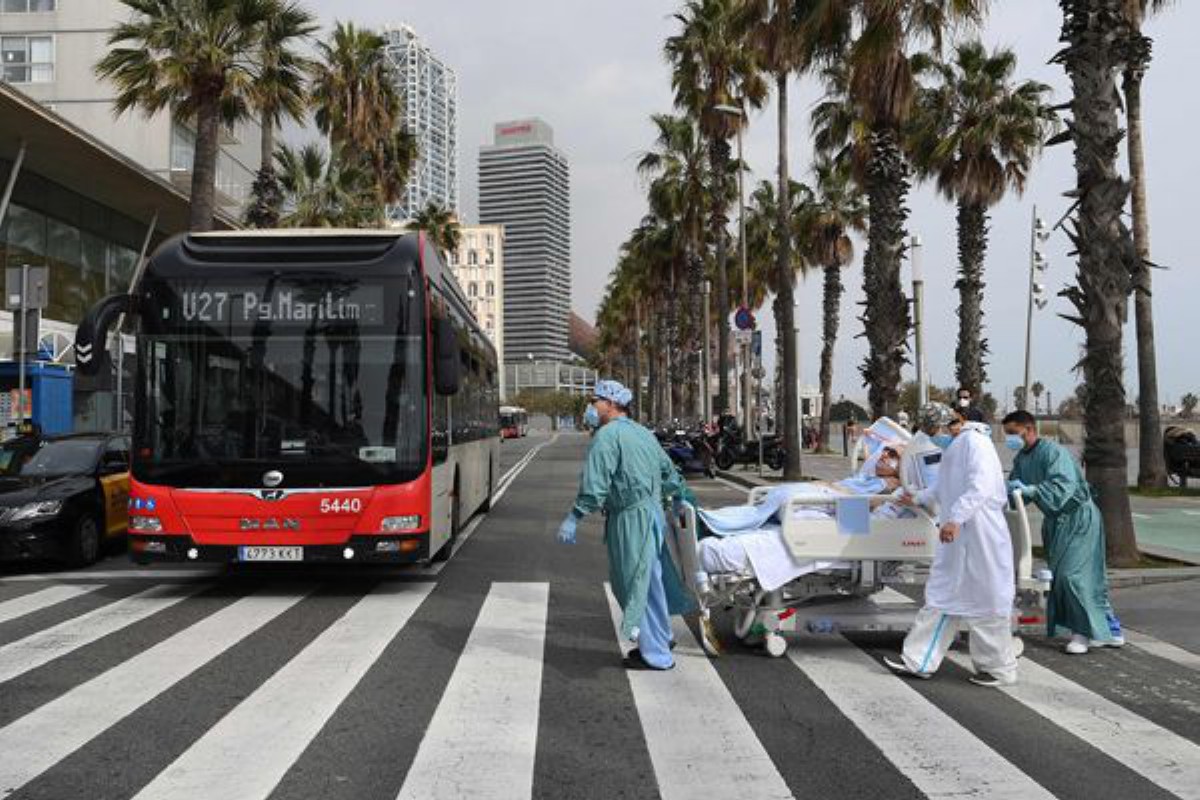
After arriving at the hospital’s Urgencias (Emergency Room), I first registered at the front desk with my health card. The nurse briefly asked about my symptoms, like “¿Qué te pasa?” (What’s wrong?), to which I replied, “Tengo mucha tos desde hace dos semanas.” (I’ve had a bad cough for two weeks). They then triage you based on your condition, giving you a colored wristband or a slip of paper. After that, the long wait began. The efficiency of Spanish public hospitals… well, we all know how it is. Be prepared to wait for several hours.
Consultation and Examination Process
After waiting for about two hours, my name was finally called. The doctor was a very kind, middle-aged man who listened patiently as I described my condition. He then carefully listened to my lungs with a stethoscope. He asked detailed questions, such as whether I had phlegm, its color, and if I had any chest pain. After the initial examination, he thought an X-ray was necessary to rule out pneumonia. So, he wrote a request, and I was sent to the radiology department to wait for the scan.
The X-ray process was quick, finished in less than ten minutes. Then came another round of waiting for the results to be sent back to the emergency doctor. About an hour later, the doctor called me in again. He informed me that the X-ray showed no signs of infection in my lungs, basically ruling out pneumonia. The diagnosis was a rather severe case of bronchitis. Here are the main departments and tests involved in my visit for your reference:
| Spanish | English | Purpose |
|---|
| Urgencias | Emergency Room | Handles urgent or acute conditions |
| Triaje | Triage | Assesses the urgency of the medical condition |
| Médico/a | Doctor | Diagnosis and treatment |
| Radiografía | X-ray | Imaging test, often used for lungs and bones |
| Farmacia | Pharmacy | Dispenses medication with a prescription |
Diagnosis and Recommendations
The doctor prescribed two types of medication for me: a cough syrup and an inhaled medicine for a nebulizer to help open up my bronchial tubes and relieve the cough. He specifically told me to drink plenty of water and get lots of rest. He also joked, "¡Deja de fumar
!" (Stop smoking!)
, even though I don’t smoke at all, haha. With the prescription, you can get the medicine from the hospital’s pharmacy or any other pharmacy outside. Because it’s through the public system, you only have to pay a small portion of the cost, which is very affordable.
Although the wait was a bit long, the whole process went quite smoothly. The doctors and nurses in Spain were very kind, and the examinations were thorough, which was very reassuring. I hope my experience can be a helpful reference for other friends living in Spain who might face a similar issue. If you have any questions about [hospital tests in Spain], feel free to leave a comment and discuss below!
