Lately, my eyes have been feeling constantly dry, and my vision has been a bit blurry at times. I was worried my prescription had worsened or if there was another issue. After putting it off for a few weeks, I finally decided to go to the hospital for peace of mind. Since I have social security, I went through the public healthcare system. I’m sharing the entire process and my thoughts here, hoping it can help anyone in a similar situation.
Appointment and Waiting
My process started with a visit to my GP (General Practitioner). I explained my symptoms—uncomfortable and blurry eyes—and said I wanted a detailed check-up with an ophthalmologist. After hearing my description, my GP agreed it was necessary and issued a referral directly through the system. After that, I went home and waited for a letter from the hospital. It took almost two months to arrive, containing the specific time and location of my appointment. The wait times in the public system are notoriously long, so this is considered normal. Therefore, if your situation isn’t urgent, you really need to plan ahead. If you can’t wait that long, you might want to consider a private hospital, which is much faster; this is especially true for elective procedures like .
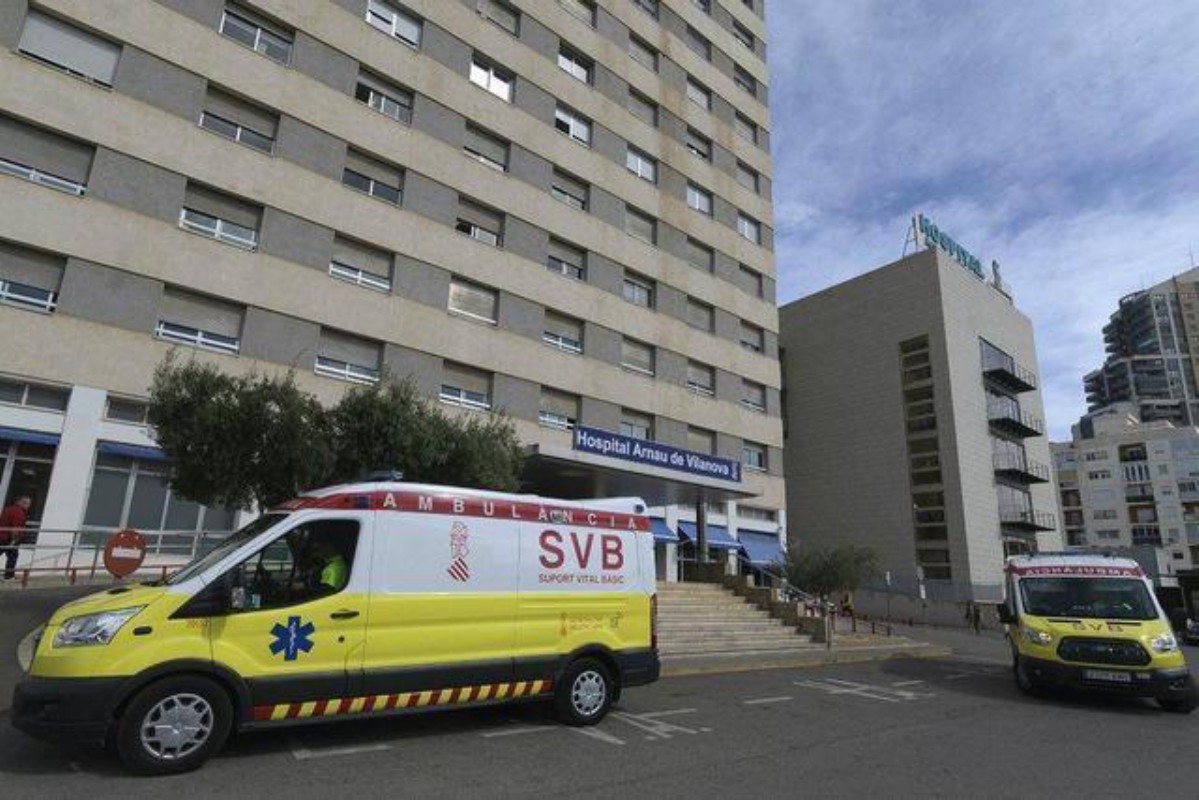
On the day of the appointment, I first checked in at the reception desk. A nurse verified my information, and I waited in the designated area until my name was called. Once inside, a nurse or an assistant performed some preliminary tests. These were pretty much the standard procedures:
After these basic tests, the nurse administered dilating eye drops. Afterwards, my eyes became sensitive to light, and it was hard to see things up close. This is done so the doctor can get a clearer view of the fundus (the back of the eye). I had to wait another 20-30 minutes for my pupils to fully dilate.
Once my pupils were dilated, it was time to see the doctor. The doctor used a slit lamp to meticulously examine all parts of my eyes, including the cornea and lens, with a focus on the fundus to check the retina and optic nerve. Because my pupils were dilated, the doctor could see everything very clearly. The doctor was very patient throughout the process, asking me if I felt anything during the examination. After the check-up, the doctor told me I just had mild dry eye syndrome and some eye strain. My prescription hadn’t changed much, and no structural problems were found. I was so relieved. He prescribed some artificial tears and advised me to rest my eyes more and reduce screen time. Here is a simple comparison I put together about the features of public versus private eye exams:
| Feature | Public Hospital | Private Hospital |
|---|
| Cost | Free (covered by social security) | Out-of-pocket or via private insurance |
| Waiting Time | Long | Fast |
| Thoroughness | Very comprehensive | Very comprehensive |
| Urgency | Suitable for non-urgent, routine checks | Suitable for emergencies or for a faster check |
Overall, my experience with the eye exam at the Spanish public hospital was quite positive. Although the wait was long, the examination itself was very professional and thorough, which was reassuring. One final tip: if you have a dilated eye exam, it’s best to don’t drive yourself that day. Your vision will be very blurry and you’ll be sensitive to light, common side effects mentioned in guides about . It’s better to have a family member or friend accompany you or to use public transport. I hope my experience is helpful to you all!
