Lately, there have been more and more threads on the forum discussing children’s education, and the atmosphere is great! My eldest is currently attending an international primary school in Madrid. Seeing many friends struggling with whether to choose an international school and how to choose one, I decided to write down the pitfalls I’ve encountered and some insights from the past two years, hoping to provide some helpful reference.
When we first arrived in Spain, we were also wavering between public, private (concertado), and international schools. Public schools are free and offer quick integration into the local environment, but the academic pressure is indeed low under their more relaxed educational approach. Private schools offer good value, but most still teach primarily in Spanish. To ensure our child would have diverse future academic paths and not be limited by a single language, we eventually focused our search on international schools in Spain.
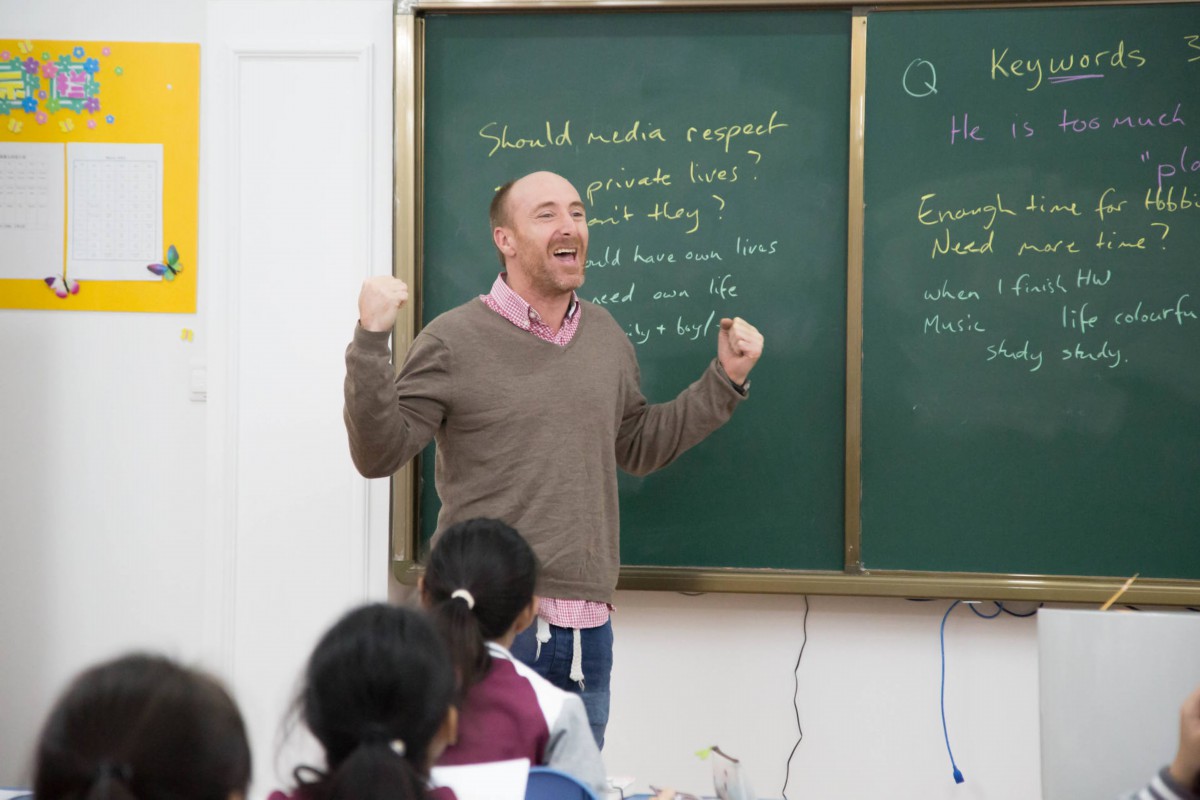
Key Factors We Considered When Choosing a School
Choosing a Curriculum
This is the most crucial decision. The main options for international schools in Spain are the British, American, and IB curricula.
- British Curriculum: This follows the National Curriculum for England, focuses on academic rigor, and leads to IGCSE and A-Level exams. If our family had firm plans to return to the UK or attend university in a Commonwealth country, choosing a [Spanish international school] with this system would have been our top priority.
- American Curriculum: The curriculum is more flexible, emphasizing project-based learning and all-around skills, similar to what we might call ‘holistic education.’ Graduates receive an American High School Diploma, which is an advantage when applying to US universities.
- IB (International Baccalaureate): This system doesn’t belong to any single country and has the highest global recognition. From the PYP (Primary Years Programme) to the DP (Diploma Programme), it fosters students’ inquiry skills and an international perspective. It demands a high level of overall competence from students and is one of the most demanding tracks.
We ultimately chose an IB school, mainly for its global portability and its focus on developing well-rounded abilities. Here’s a simple table comparing the approximate fees of a few schools we looked at to give you a clearer idea:
| School Type | Tuition Range (€) | Language Environment |
|---|
| British International School | €8,000 - €15,000 | Mainly English, with Spanish as a second language |
| American International School | €9,000 - €18,000 | Mainly English, with Spanish as a second language |
| IB International School | €10,000 - €20,000+ | English or bilingual instruction |
Application Process and Key Considerations
International schools, especially the popular ones, usually require applications to be submitted a year in advance. The typical process is: Submit application form -> Pay application fee -> Attend interview/assessment -> Await admission notice. The assessment for primary school is relatively straightforward, mainly looking at the child’s language skills, basic social abilities, and behavior. The parent interview is also important, as the school wants to see if your educational philosophy aligns with theirs. Here’s a small tip, which is especially relevant if you’re looking into options like [boarding at a primary school in Spain]: don’t forget to clarify what the tuition fees cover. Things like lunch, school bus, uniforms, and registration fees are often extra. When we added everything up, the total was much higher than we expected—my wallet was crying.
In conclusion, sending a child to an international school is a significant investment. However, seeing him go to school happily every day, improving in both English and Spanish, and making friends from all over the world, we feel it’s well worth the cost. If you have any questions, feel free to leave a comment below, and I’ll do my best to reply when I see them!
