Lately, many people on the forums have been asking about coming to Spain for language studies, especially those who urgently need a B1 certificate for university admission. They wonder, “Is southern Spain a good choice?” Having taken this exact path and spent almost a year in Andalusia, I’m here to share my experience and discuss whether the “Southern Spain B1 program” is truly worth it. I hope this provides some helpful guidance for those of you choosing a school.
Why Choose Southern Spain?
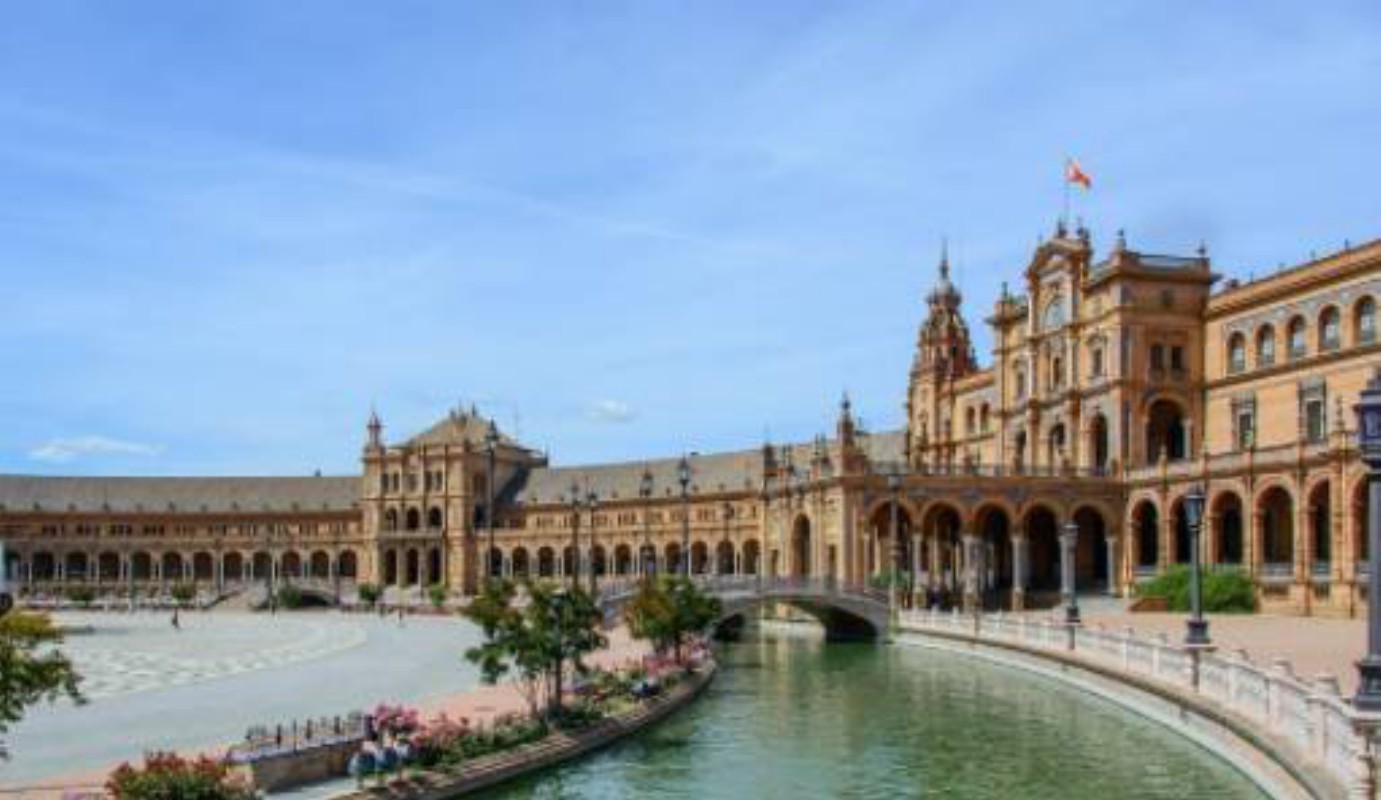
It’s incredibly cost-effective! Compared to Madrid and Barcelona, the cost of living in Andalusia is noticeably lower. You can save a good amount of money each month on everything from rent to daily food expenses. Then there’s the weather and atmosphere. Southern Spain enjoys brilliant sunshine for most of the year, which is a real mood-booster. Plus, the region is steeped in rich history and culture—it’s the birthplace of flamenco and home to Moorish palaces. Your life outside of class will never be dull. For students who want an immersive experience of Spanish culture, the south is an excellent choice.
Will the Southern Accent Affect My Learning?
This is a classic question. Honestly, the southern accent does have its quirks, like the “seseo/ceceo” phenomenon and the tendency to drop syllables. It might be a bit disorienting at first; you might think they speak so fast it sounds like they have a mouthful of marbles. But trust me, it won’t be a major obstacle to learning standard Castilian Spanish. Teachers in language schools use standard pronunciation, and the listening sections of the DELE and SIELE exams are in the standard accent. In fact, after being immersed in this environment, your listening skills will become incredibly sharp. Listening to Spanish from other regions will feel like a piece of cake afterward. So, you really don’t need to worry about the accent. Just see it as a unique challenge and a part of the local charm.
How to Choose a School?
There are tons of language schools in the south, mainly falling into two categories: language centers affiliated with public universities and private language schools. Each has its pros and cons. I’ve made a simple comparison table to help you decide based on your needs:
| Aspect | Public University Language Center | Private Language School |
|---|
| Course Price | Relatively cheaper, great value for money | Slightly more expensive, but discounts are common |
| Class Size | Can be larger, 15-20 students | Usually small classes, 5-10 students |
| Course Flexibility | Fixed start dates, semester-based | Very flexible, new courses can start every Monday |
| Cultural Activities | Fewer, more academic-focused | Diverse and frequent, fosters a strong sense of community |
If you have a fixed schedule and are looking for a university atmosphere and good value, a university language center is a great option. If you prefer more personal attention, flexible schedules, and a vibrant social scene, then a reputable, Cervantes Institute-accredited private school is a better fit. They can be particularly helpful as you plan your academic future, from exploring Spanish university majors for B1 students to understanding the English B1 requirement for Spanish universities. The most important thing is, no matter which type you choose, make sure to pick a school accredited by the Cervantes Institute. This is the basic guarantee of teaching quality.
Studying for your B1 in southern Spain is a choice well worth considering, whether from a financial, lifestyle, or cultural perspective. The key is to have a relaxed mindset but a clear goal: to conquer the B1 level. I hope my sharing has been helpful. I also welcome anyone who has studied in Andalusia to share your own experiences and stories in the comments below. Let’s exchange ideas!
