It’s hard to believe it’s been almost a year since we came to Spain. I’ve gone from being anxious at the beginning to slowly integrating into the Spanish Non-Lucrative Visa lifestyle, and I have a lot of thoughts to share. Seeing many friends on the forum asking about moving here by renting for the non-lucrative visa, I decided to write down the experience of my family of three, hoping to provide some reference and to document it for myself.
Our Background and Choices
We moved here last year through the Non-Lucrative Visa program, which involved [renting a property in Spain]. We chose this path mainly because its financial requirements are relatively clear, and it doesn’t require mandatory investment or starting a business. This offered more flexibility for a family like ours, who wanted to experience the lifestyle and adapt to the environment first. Our initial destination was Madrid, as it’s the capital with more resources and opportunities. However, for various reasons, we ended up moving to Valencia, a decision that now seems absolutely right. I’ll elaborate on the rental pitfalls later.
Key Points During the Document Preparation Stage
For the non-lucrative visa application, the most crucial part is proving you have sufficient ‘passive income’ or savings to cover your living expenses in Spain for a year. We prepared our documents mostly by following the official checklist and our lawyer’s guidance, but there are a few points I’d like to highlight:
- Bank Statements: We prepared nearly a year’s worth of bank statements and maintained a stable balance in the account for the three months leading up to the application. Definitely do not deposit a large sum of money right before applying, as this can easily raise suspicion about the source of funds.
- Rental Contract: This was a major challenge! We rented an apartment in Madrid remotely while still in our home country. The process was truly
a nightmare—high-risk and not transparent in terms of pricing. I strongly recommend, if possible, that you first come on a tourist visa to view properties in person, or find a very, very reliable agent.
- Health Insurance: You must purchase a comprehensive local Spanish insurance policy, specifically one that is sin copago (no co-payment). This can be settled with money, so it’s not a difficult task.
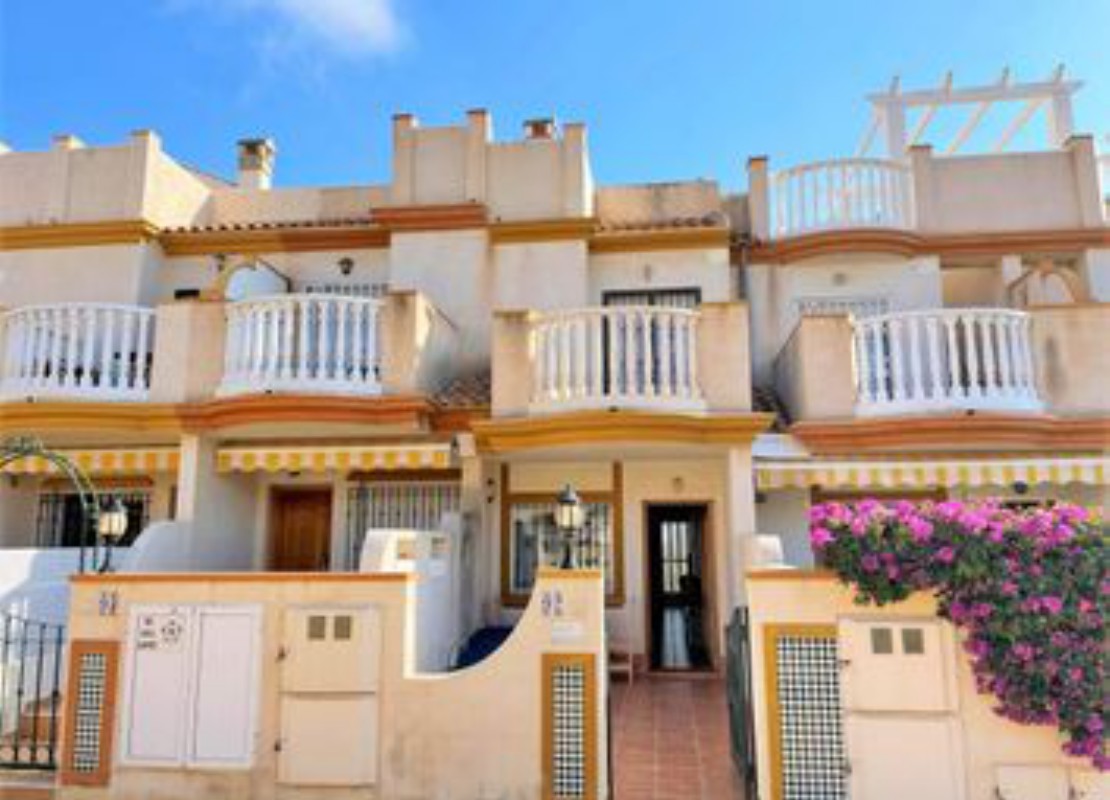
Renting Comparison: Madrid vs. Valencia
We initially lived in Madrid for six months before moving to Valencia. The rental markets and living experiences in these two cities are vastly different. I’ve made a simple table to help you compare:
| Comparison | Madrid | Valencia |
|---|
| Rent Level | Very High | Relatively Moderate |
| Housing Availability | Extremely tight, good places are gone instantly | More relaxed, with options to choose from |
| Pace of Life | Fast, strong metropolitan feel | Slow, relaxed and pleasant |
| Climate | Continental, cold winters and hot summers | Mediterranean, mild and pleasant |
| Expat Community | Established, convenient for daily life | Developing, basic needs are met |
Overall, Madrid is more like a top-tier city back home—full of opportunities, but also high-pressure. Valencia, on the other hand, is better suited for families seeking a higher quality of life and better value for money. After moving to Valencia, for the same price as a two-bedroom apartment in Madrid, we rented a three-bedroom place with a large terrace. Our happiness level shot through the roof!
Finally, I want to say that immigration is not an endpoint, but the beginning of a new life. Everyone’s situation is different, and what worked for us may not work for you. The most important thing is to be clear about the kind of life you want. The journey from having a tourist’s mindset to learning to live like a local and discovering the beauty of the city is meaningful in itself. I hope everyone can find their own special place in Spain! ¡Ánimo a todos
!
