I’ve been seeing a lot of questions lately: ‘Do I have to buy property in Spain to get residency?’ This misconception seems to be widespread. Today, based on my own experience, I’m here to set the record straight: You can absolutely apply for Spain’s Non-Lucrative Residency by renting
! Don’t be fooled by the ‘buy property to immigrate’ slogans. Think of all the better things you could do with the money you save!
Core Concept: What is the Non-Lucrative Residency?
What people call ‘getting residency by renting’ actually refers to applying for the Autorización de residencia temporal no lucrativa, or what’s commonly known as the ‘Non-Lucrative Residency Permit.’ The core requirement for this visa isn’t property ownership, but rather proof of sufficient ‘passive income’ to show you can support yourself and your family without working in Spain. The immigration authorities’ main concern is that you won’t take jobs from locals or become a burden on the social system. Therefore, for the purpose of the Spanish Non-Lucrative Residency
, whether you buy or rent simply provides proof of a Spanish address—there’s no fundamental difference.
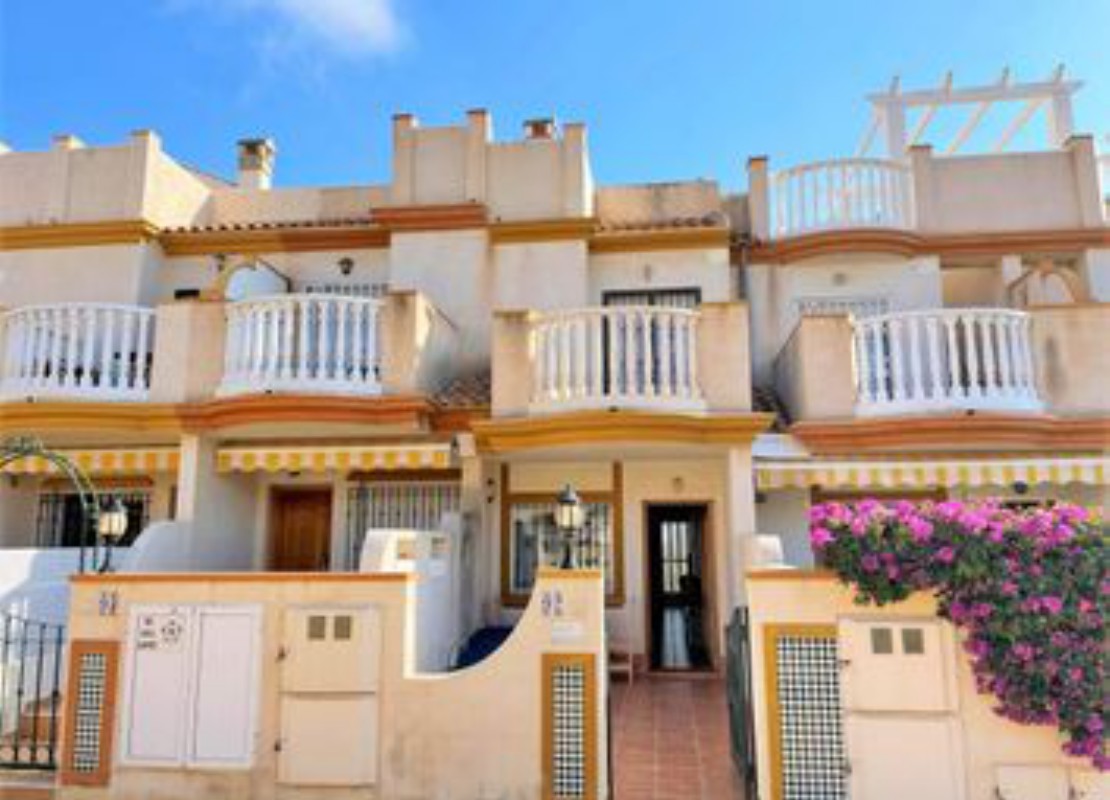
Application Materials: Renting vs. Buying
To make it clearer, I’ve created a simple table comparing the required proof of address documents for both methods:
| Method | Key Documents | Pros | Cons |
|---|
| Renting | Valid rental contract, landlord’s ID, copy of the property deed (Nota Simple) | Less capital required, high flexibility, allows you to try living in different cities first | Need to find a landlord willing to cooperate with the padrón registration |
| Buying | Property deed (Escritura), property registry certificate (Nota Simple) | Stable asset, convenient, a one-and-done solution | Huge upfront investment, low liquidity, high holding costs |
As you can see, for the consulate and immigration office processing the Spanish Non-Lucrative Visa, they only care that you have a legal and stable place to live. A registered long-term rental contract holds the same weight as a property deed.
Practical Tips for the Application
The rental contract is key
! The contract term should ideally cover at least one year, and you must register it at the local town hall to get your certificate of residence (empadronamiento)
. This is the most crucial document to prove you actually live there. When you’re apartment hunting, make it clear to the landlord or agency that you need it for your residency application and will require their cooperation in providing the necessary documents.
Sufficient proof of funds is crucial. This is the most important part! The official requirement is to prove an annual income of 400% of Spain’s IPREM. For example, with the 2024 IPREM at around €600 per month, a single applicant needs to show an annual income of €600 * 400% * 12 = €28,800. For each additional family member, you need to add another 100% of the IPREM. This money can come from bank savings, investment returns, pensions, rental income, etc. The key is that it must be stable and ongoing.
Don’t be held back by the outdated idea that ‘you must buy property to immigrate.’ For those who want to experience life in Spain first, or those on a tighter budget, renting is an absolutely viable and cost-effective path. I started by renting when I first came here. Only after I got familiar with the environment and decided on a city I loved did I consider buying a house. I hope my experience helps everyone. Wishing you all the best with your life in Spain! If you have any questions, feel free to leave a comment below to discuss.
