Having recently arrived in Spain, I’ve been looking into applying for a master’s degree and found the concepts of ‘Máster Oficial’ and ‘Máster Propio’ quite confusing. After talking to some senior students and doing a lot of research, I’ve finally got it all sorted out. I noticed many people on the forum are struggling with the same issue, so I decided to create this post to share what I’ve learned. I hope it helps anyone feeling lost!
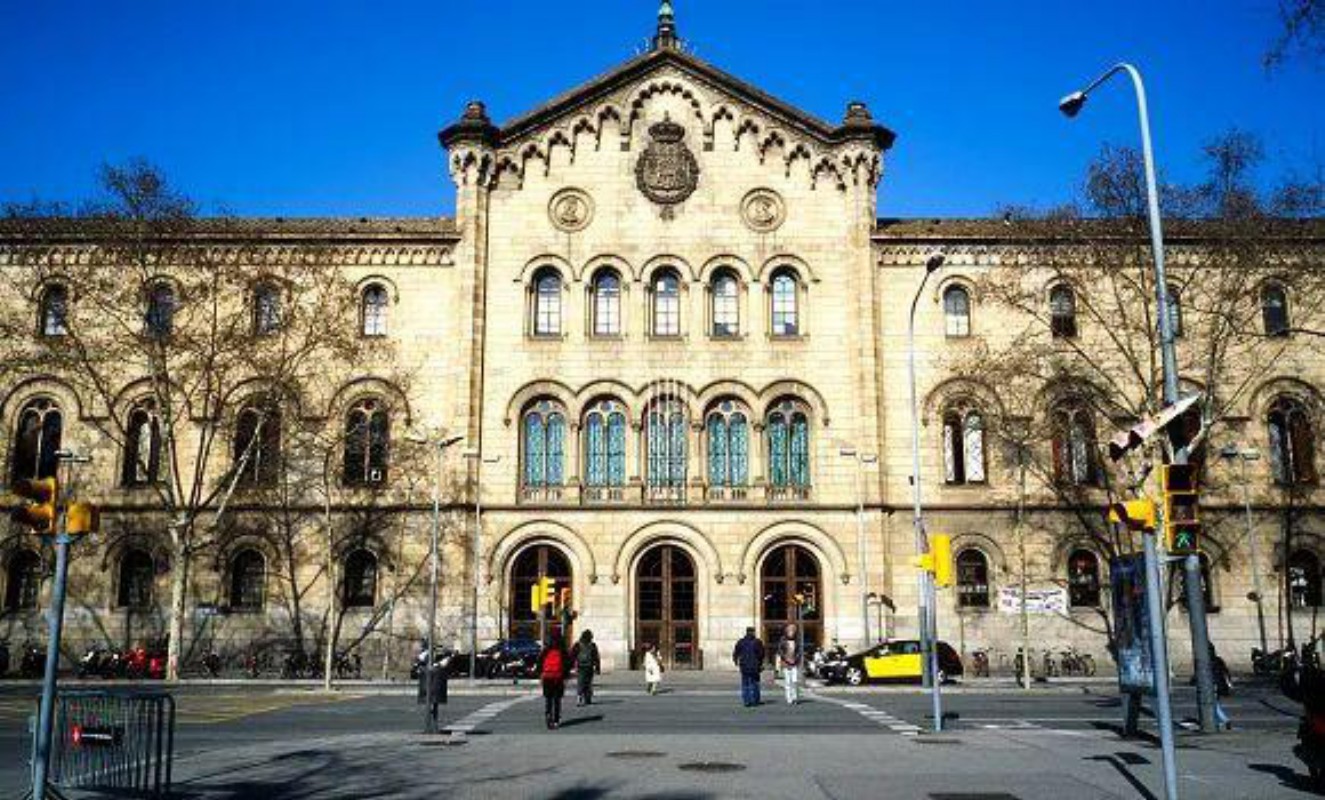
Simply put, the biggest difference between an Official Master’s and a University-specific Master’s lies in the awarding body and its scope of recognition. An Official Master’s (Máster Oficial) is accredited by the Spanish Ministry of Education, while a University-specific Master’s (Máster Propio) is created and awarded by the university itself. To make it clearer, I’ve created a table that highlights the core differences at a glance.
Core Differences Comparison
| Comparison Point | Official Master’s (Máster Oficial) | University-specific Master’s (Máster Propio) |
|---|
| Awarding Body | Spanish Ministry of Education, University | The University itself |
| Recognition by Home Country’s Ministry of Education | Fully recognized | Not recognized |
| Eligibility for PhD Programs | Eligible | Not eligible |
| Curriculum Focus | Academic, research-oriented | Practical, career-oriented |
| Tuition Fees | Relatively lower | Relatively higher |
Detailed Breakdown
The most critical point is the issue of degree accreditation. If you plan to return to your home country for your career after graduation, especially if you’re aiming for public sector or civil service positions, you must choose an Official Master’s. This is because only Official Master’s degrees are recognized by many foreign educational authorities (like the CSCSE in China). Similarly, if you wish to pursue a PhD in Spain or another EU country, an Official Master’s degree is a mandatory prerequisite. This distinction is as fundamental as knowing the differences between public and private Spanish universities. This is a non-negotiable requirement.
So, does this mean a Máster Propio is worthless? Absolutely not. The strength of a Máster Propio lies in its flexibility and practicality. Many of these programs are developed in collaboration with well-known companies, with a curriculum that is highly relevant to market demands, strongly practical, and offers more internship opportunities. For example, some of the flagship programs in business schools or cutting-edge courses in design fields are often Másteres Propios. For students who aren’t planning to pursue a PhD or a civil service career and want to work in Spain or internationally to quickly enhance their professional skills, a highly regarded Máster Propio can be far more valuable than a purely theoretical Official Master’s. So don’t dismiss it just because it isn’t officially accredited for certain purposes.
Which one to choose depends entirely on your personal career plan. If you want to return to your home country for a public sector career or pursue a PhD, the Official Master’s is your only option. However, if your goal is local employment in Spain or to develop specific skills—a matter where understanding Spanish universities is key—certain University-specific Master’s programs might offer a better reputation and more resources. I hope this information is helpful! How are you approaching your decision? Feel free to leave a comment below to discuss and share your experiences and thoughts!
