Lately, I’ve seen a lot of questions on the forum about studying art in Spain. As someone who’s been through the process, I decided to create this post to share my experience applying for a master’s degree at a Spanish art university. I did everything myself and learned a lot from the challenges I faced. Hopefully, my insights can help you avoid some common pitfalls!
When people think of Spain, sun, beaches, and football often come to mind. But the artistic atmosphere here is truly incredible. Home to masters like Goya, Picasso, and Gaudí, Spain’s deep appreciation for the arts is even reflected in unique offerings like Spain’s University Program for Seniors. Choosing to study art here offers a top-tier education at a fraction of the cost of the UK or US. Moreover, with a solid university Spanish language study plan, you’ll be well-equipped. After graduation, the ability to travel freely throughout the Schengen Area is a paradise for art students.
School Selection: Beyond Madrid and Barcelona
Choosing a school is the first and most daunting step. Madrid, Barcelona, and Valencia are the three main cities. The Complutense University of Madrid (UCM) and the Polytechnic University of Madrid (UPM) have strong art and design programs. The University of Barcelona (UB) and the Polytechnic University of Catalonia (UPC) are known for their strong design focus. The Faculty of Fine Arts at the Polytechnic University of Valencia (UPV) is one of the best in Spain, and even in all of Europe—and it’s my alma mater, haha.
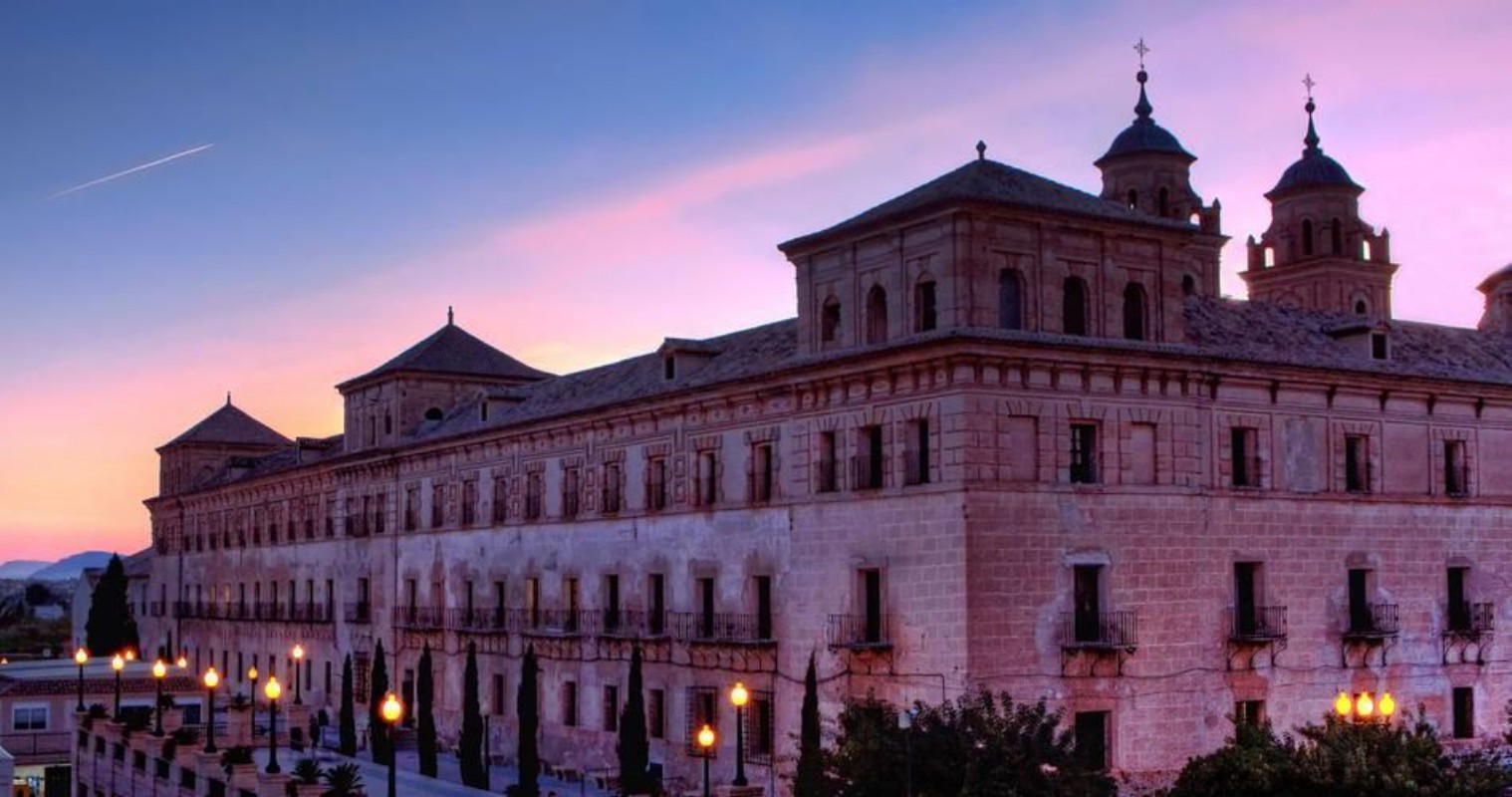
A brief comparison of popular universities in the three major cities:
| City | Key Universities | Artistic Vibe |
|---|
| Madrid | UCM, UPM | A fusion of classic and modern, city of museums |
| Barcelona | UB, UPC | Modernism, Gaudí’s city, strong design focus |
| Valencia | UPV | Art and science combined, relaxed lifestyle |
Preparing Your Core Application Materials
Preparing your documents is a meticulous task, so don’t take it lightly. Here are the main components:
- Proof of Language Proficiency: Spanish-taught programs generally require a DELE B2 or SIELE B2 certificate. English-taught programs are less common, but they exist, and an IELTS score of 6.5 is usually sufficient.
- Academic Documents: Translated and officially certified copies of your graduation certificate, degree certificate, and academic transcripts. Make sure to get these done well in advance.
- Portfolio: This is the most critical part of your application and the key to your success
! Different schools and programs have different portfolio requirements, so be sure to check the official university websites carefully!
- Other Documents: Your CV/Resume, a Letter of Motivation (or Statement of Purpose)
, and letters of recommendation. Put extra effort into your motivation letter to express your understanding of and passion for the school and program.
Regarding the portfolio, I’d like to add a few more points. It shouldn’t be just a simple collection of your university assignments. Instead, it should be a cohesive project that showcases your personal style, creative concepts, and professional skills. I recommend focusing on one or two main themes to create a series that demonstrates your thought process. In terms of length, 15-20 pages featuring 3-5 projects is generally sufficient. Don’t wait until the last minute to start—begin conceptualizing and creating at least six months in advance. The application season is long, and it’s normal to feel anxious at times, but as long as you plan your time well and take it one step at a time, getting an offer from your dream school is definitely achievable. I wish you all the best of luck in securing your spot, and I’ll see you in Spain!
