Recently, when dining out with friends, we’ve noticed that even at any casual menú del día spot, the menu prices have quietly gone up again! It really feels like eating out is getting more and more expensive. This made me wonder what’s truly happening in Spain’s restaurant industry right now. Is everyone just struggling to survive, or are they capitalizing on the return of tourists? Today, I’d like to share my observations and some thoughts.
The biggest impression is the intense cost pressure. Everything from olive oil to electricity is getting more expensive. I know a friend who runs a tapas bar, and he complained that profit margins have been squeezed significantly. It’s not just about the ingredients—labor and energy costs are major factors, and the government keeps raising minimum wage standards. So, when you see menu prices going up, it’s often a reluctant move for the owners; without raising them, they’d really be running at a loss.
But there are two sides to every story. On the positive side: tourists are truly back! Especially in major destinations like Madrid, Barcelona, and Seville, it’s now normal to see long lines outside popular restaurants. This wave of tourism recovery has injected huge cash flow into the business. For many restaurants that rely on tourist traffic, this is a lifeline. Many have started adapting, launching more packages or exclusive experiences tailored to visitors, such as flamenco dinner shows—business is booming. For a deeper look at the sector, the ranking of Spain’s food industry provides valuable insights.
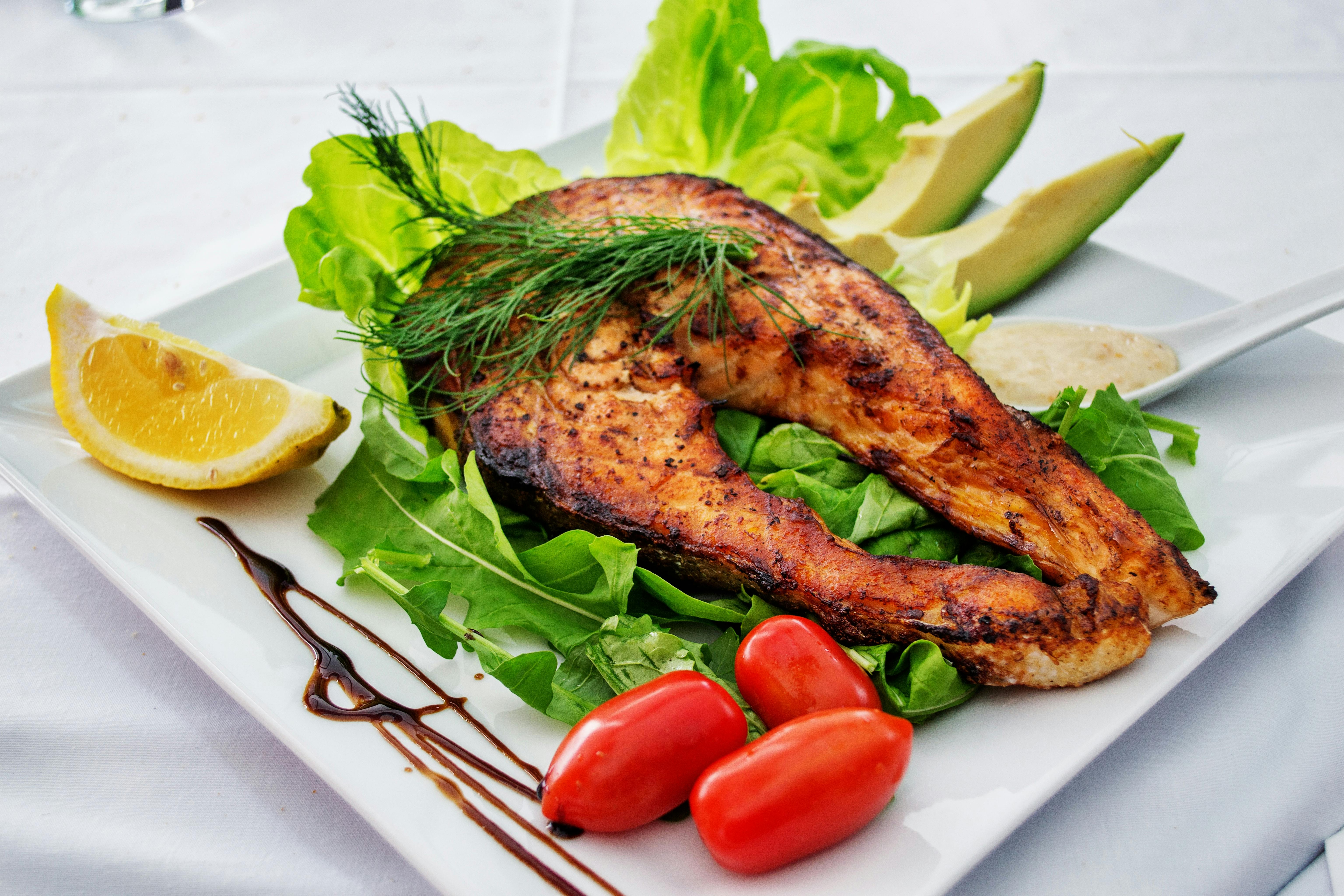
I’ve also noticed some new trends. The pandemic has completely changed consumer habits—food delivery has become a standard service for many restaurants, and platforms like Glovo and Uber Eats now cover nearly every restaurant type. Meanwhile, there is a growing demand for healthy dining and unique experiences. It’s no longer just about being “full”—people want good food and memorable experiences. Restaurants that focus on vegetarian dishes, organic ingredients, or niche global cuisines are actually carving out their own space in the market. Here’s a quick comparison table illustrating some differences between traditional and new-style restaurants:
| Feature | Traditional Family Restaurant | New Concept Restaurant |
|---|
| Core Appeal | Classic tastes, value for money | Unique experiences, health concepts |
| Main Clientele | Local residents, loyal customers | Young people, tourists, certain communities |
| Marketing | Word of mouth, local ads | Social media, influencer reviews, delivery apps |
| Main Challenges | Rising costs, succession issues | Fierce competition, rapid trend changes |
In my view, Spain’s restaurant industry is full of both challenges and opportunities. For owners, delicate cost control and innovative business models are increasingly necessary. For us as regular customers, it might mean paying a premium for better food and service, or maybe just cooking at home instead. If you’re living in Spain, what’s your impression of the dining scene? Do you think now is a good time to open a restaurant? Feel free to share your thoughts in the comments below!
