Hello everyone, I’ve seen many fellow students on forums asking if the Spanish learned in university is really enough to support future studies, work, and life in Spain. As someone who completed a Spanish major back home at one of the universities where you can study Spanish and then spent several years navigating life in Madrid, I want to share my experiences on this topic, hoping to offer some guidance to those of you who are feeling lost.
The “Foundational” Role of University Spanish
First off, it’s undeniable that systematic learning in university is a golden period for building a strong foundation. Following your professor’s pace, from the alphabet and pronunciation to working your way through textbooks, helps you build an incredibly solid grammatical framework. This is an advantage that no crash course or self-study can easily match. You have plenty of time to immerse yourself in learning, access to professional teachers for any questions, and a group of like-minded classmates to strive with. The foundation you build during this stage determines how far you can go in the future. So, never underestimate the value of any class you take at university.
The “Gap” Between Textbook and Real Life
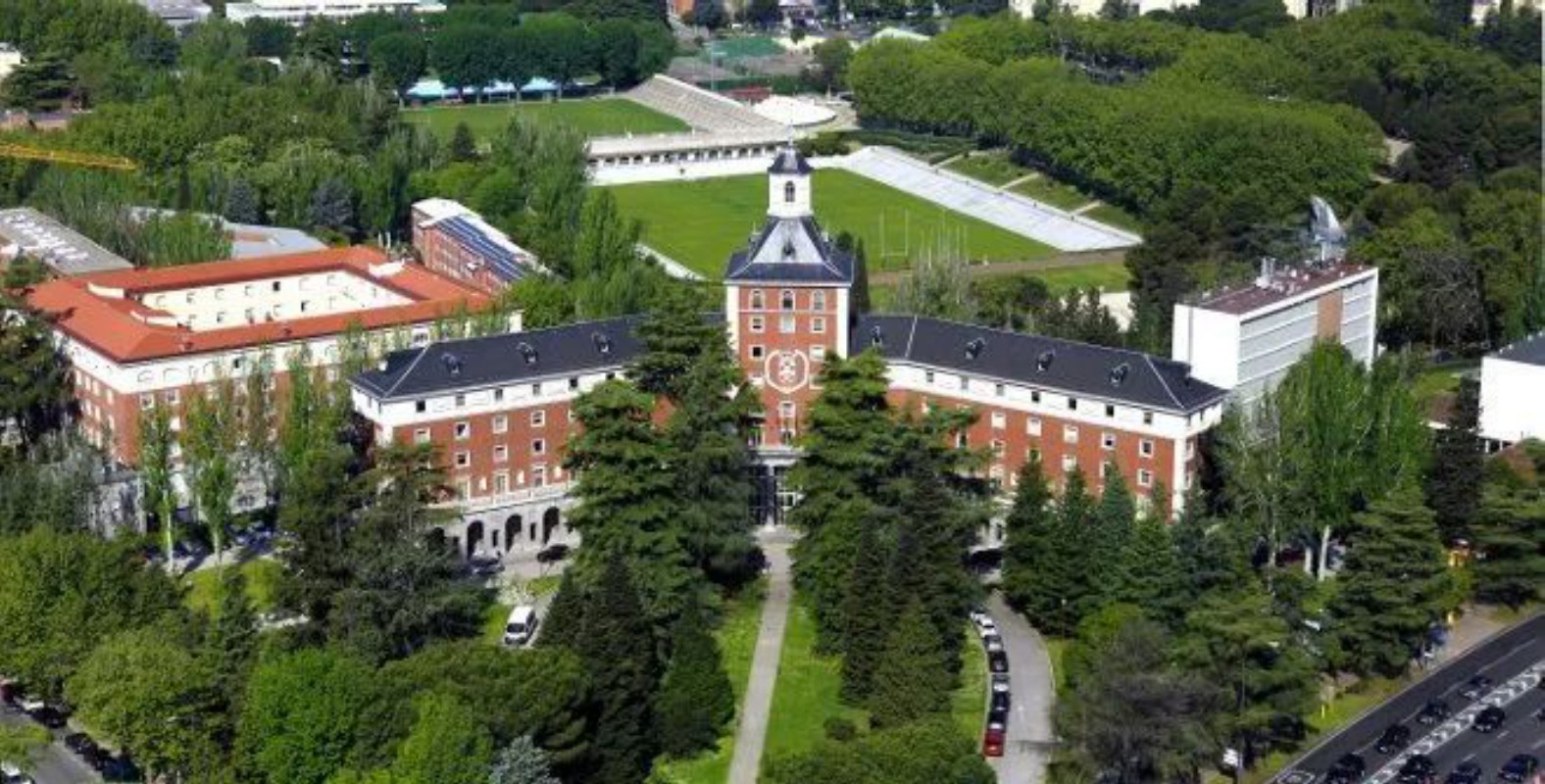
But, just as students at Spanish universities for medical studies need practical experience beyond their books, we language learners must also recognize the huge gap between our education and real-world use. Much of our learning is exam-oriented, focusing on written language and grammar. This often leads to people becoming “book-smart but tongue-tied” in Spanish; they excel at reading and writing but stutter as soon as they try to speak or can’t follow the rapid flow of everyday conversation. The dialogues in textbooks are often “textbook standard,” while real life is filled with slang, regional dialects, and all sorts of colloquialisms. Many students, when they first arrive in Spain, go through a painful period where they “feel like they’ve learned a fake version of Spanish”.
How to Bridge the Gap Yourself?
University provides the skeleton, but you have to add the flesh and blood yourself. To turn “textbook Spanish” into “living Spanish,” classes alone are far from enough; you must take the initiative. The idea that you’ll be all set as long as you master the textbook and pass your exams is a very dangerous mindset. Besides your coursework, there’s a lot you can do to improve:
| Learning Method | Pros | Cons |
|---|
| Watching series/movies | Authentic context, entertaining, learn natural expressions | Easy to get distracted by the plot, little speaking practice |
| Language exchange | Directly practice speaking and listening, make friends for free | Partner’s level can be inconsistent, hard to coordinate schedules |
| Preparing for DELE | Clear goal, improves all four skills (listening, speaking, reading, writing) | Process can be stressful, content is exam-focused |
| Reading news/books | Expands vocabulary, improves written language skills | Can be boring, lacks interaction |
Studying Spanish at university is an excellent starting point, but it’s by no means the final destination. It gives you a map, but the real adventure requires you to set out on your own two feet. Using the language, communicating, making mistakes, and experiencing the culture—that is the true essence of language learning. I hope everyone’s journey in learning Spanish becomes smoother and smoother! ¡Ánimo
!
Finally, I’d like to ask everyone: besides these methods, do you have any unique tips for improving your practical Spanish skills during university? Feel free to share in the comments!
