Lately, forum posts about studying STEM in Spain have been on the rise, especially for promising fields like new energy and environmental science. Speaking from experience, I’ve put together a guide on Spanish universities that have a strong edge in energy and environmental studies. I hope this helps students who are currently choosing schools and want to avoid common pitfalls.
Spain is a European leader in renewable energy, particularly solar and wind. Strong government support has spurred university research, so studying these subjects here is a fantastic choice, as reflected in the QS rankings for Spanish energy universities. When choosing a school, your first thought might be the major cities of Madrid and Barcelona, and you’d be right—the most prestigious polytechnic universities are concentrated there.
Top Recommended Universities
Polytechnic University of Madrid (UPM)
This is arguably the powerhouse of engineering in Spain, with an outstanding reputation in the field. Its School of Mining and Energy Engineering and School of Industrial Engineering both offer excellent master’s programs, such as the Master in Renewable Energy and Environment and the Master in Energy Engineering. UPM’s curriculum is heavily focused on theory and research, making it ideal for students who want to delve deep into technology and research. However, the application process is quite competitive, with strict requirements for your undergraduate background and language proficiency.
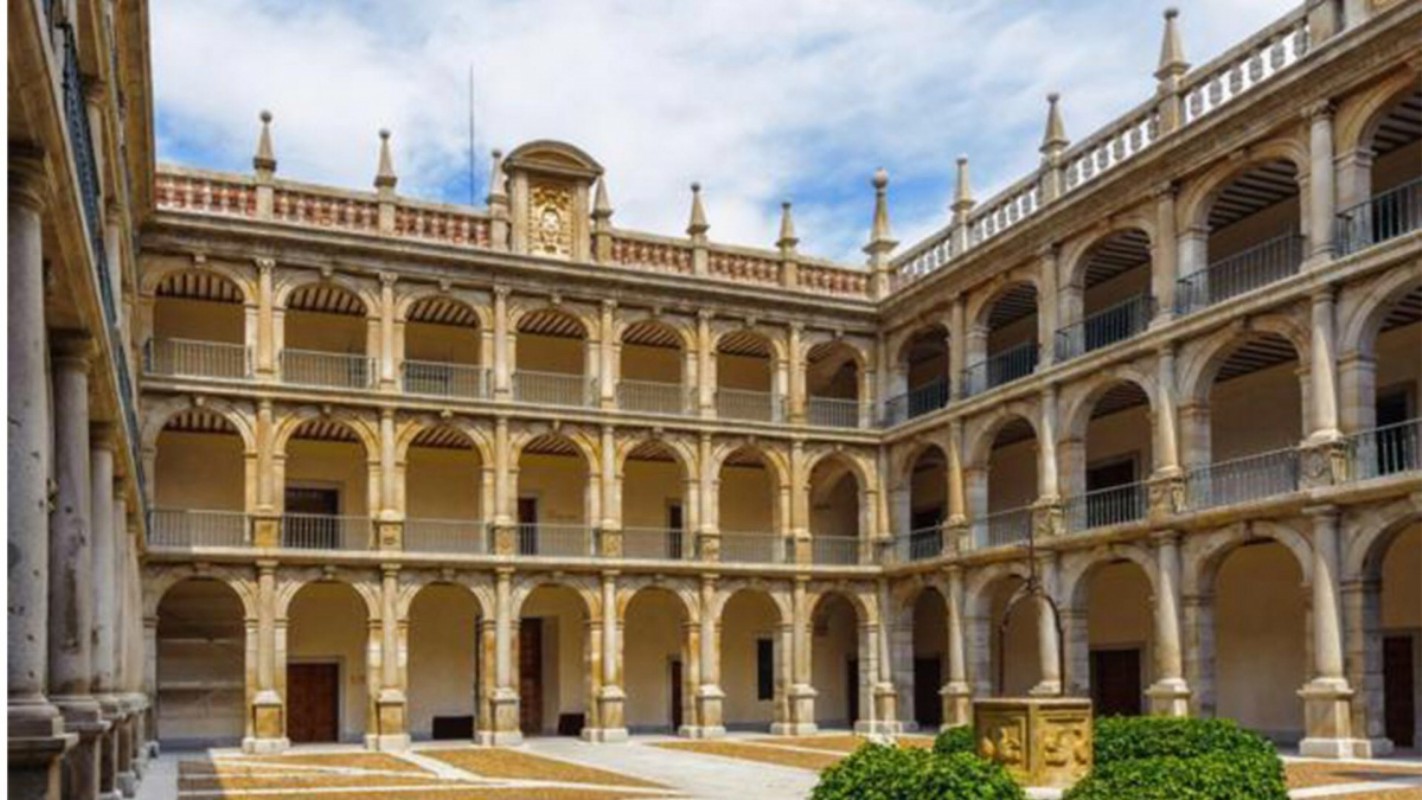
Polytechnic University of Catalonia (UPC)
Another top polytechnic university on par with UPM, located in Barcelona. UPC excels in interdisciplinary fields like environmental science, sustainable development, and smart cities. Many of its master’s programs, such as the Master in Sustainable Intervention in the Built Environment, strongly emphasize practical application and project implementation. If you’re interested not only in technology but also in how it applies to urban management and environmental protection, UPC is definitely the top choice. By the way, Barcelona’s urban environment and innovative atmosphere are also major pluses!
Beyond these two giants, universities in other regions also have their own unique strengths. For example, the University of Seville in Andalusia, located near Europe’s largest solar power plant, has formidable research capabilities in photovoltaic energy. Meanwhile, the Polytechnic University of Valencia is well-known for water resource management and agricultural environmental engineering. When choosing a school, don’t just look at the overall rankings; focus on the program rankings and curriculum
!
University Feature Comparison
To help you compare more intuitively, I’ve created a simple table:
| University | Strengths | City | Application Tips |
|---|
| Polytechnic University of Madrid | General Engineering, Renewable Energy Tech | Madrid | High academic requirements, prepare language tests early. |
| Polytechnic University of Catalonia | Sustainable Development, Environmental Management, Smart Cities | Barcelona | Emphasizes project experience; highlight practical skills in your application. |
| University of Seville | Solar Energy, Photovoltaic Research | Seville | Many research centers in the south, ideal for PhD aspirants. |
| Polytechnic University of Valencia | Water Resource Management, Agricultural Environment | Valencia | Practical curriculum with strong ties to local industries. |
The above is just my personal observation and summary, and the information is certainly not exhaustive. I hope this post can serve as a starting point. Everyone, especially current students and alumni, is welcome to add to this and share their own study experiences and application tips. I wish you all the best in receiving an offer from your dream university!
