Hello everyone! I’ve recently seen some questions on the forum about universities in Valencia, and someone mentioned ‘albatoliba university’. I’m guessing they are referring to the Catholic University of Valencia (Universidad Católica de Valencia), or UCV for short. It’s a quite famous private university in Valencia. Because its campuses are spread across the city, it can sometimes be referred to by different names, leading to confusion, similar to discussions about other institutions like Abat Oliba University in Spain. Today, I’m starting this thread to share what I know about UCV, hoping it can be a useful reference for students who are choosing a university.
UCV Overview and Campus Environment
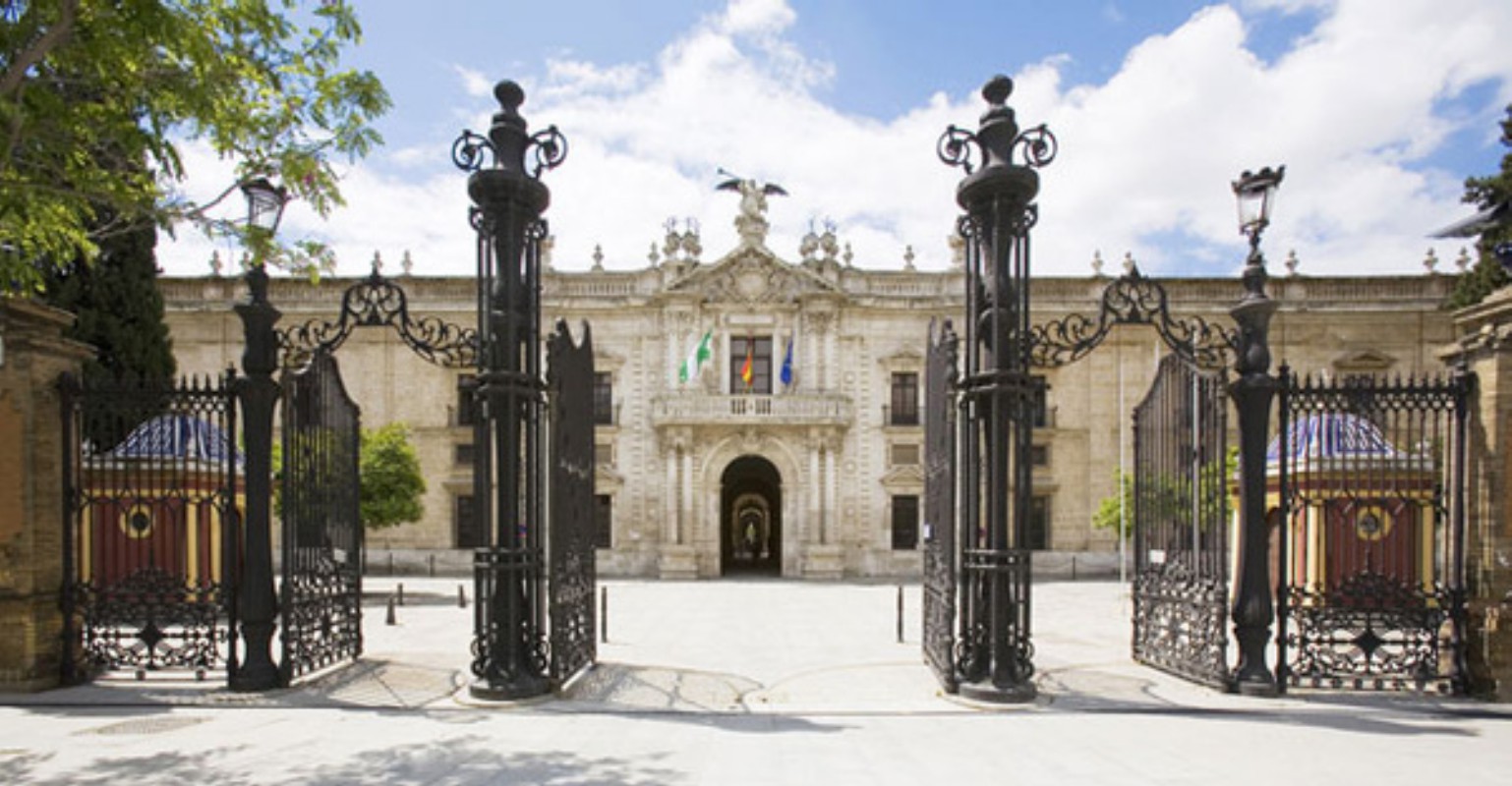
UCV is a relatively young private Catholic university, founded in 2003. Despite its youth, it has grown rapidly, especially in certain fields. It’s important not to confuse it with the University of Valencia (UV) or the Polytechnic University of Valencia (UPV); they are three completely different institutions. UCV’s main feature is its small class sizes, which allows for much more interaction between teachers and students compared to public universities. Its campuses are located throughout Valencia and its surroundings. For example, the Santa Úrsula campus in the historic city center is charmingly quaint, making for a wonderful classroom experience.
Strong Programs and a Brief Comparison
When it comes to programs, UCV’s strong suit is in the field of Health Sciences. Programs like Physical Therapy, Nursing, and Dentistry have a good reputation within Spain. Additionally, some of its programs in Oceanography and the Humanities and Social Sciences are also quite distinctive. Of course, as a private university, tuition fees are a major consideration. The fees are certainly much higher than at public universities, but in return, you get better facilities and a lower student-to-teacher ratio. Here’s a simple table for a quick comparison:
| Comparison Item | Catholic University of Valencia | Spanish Public University |
|---|
| Tuition | Higher, varies significantly by program | Relatively low, government subsidized |
| Class Size | Small classes, more student-teacher interaction | Mostly large lectures |
| Application Difficulty | Independent admissions, more flexible process | Based on national entrance exam scores, highly competitive |
| Religious Affiliation | Catholic background, but no faith requirements for students | No religious affiliation |
| International Student Ratio | Relatively lower, more immersive language environment | Higher, more international |
For international students, the application process for UCV is relatively independent. It doesn’t rely solely on national exam score conversions but has its own document review and interview process. In terms of language, while some courses may be offered in English, the vast majority are in Spanish. Therefore, whether you’re applying to Spanish universities with an IB diploma or through other means, a B2 level of Spanish proficiency is a basic requirement. As for daily life, Valencia is a very livable city with a relatively low cost of living and pleasant weather. UCV students can enjoy everything the city has to offer, from its delicious food and beautiful beaches to its rich cultural activities.
The choice between UCV and a public university mainly depends on your personal needs and financial situation. If you’re looking for closer student-teacher relationships, better facilities, and are interested in its strong programs, UCV is a worthy option to consider. However, if you prioritize a university’s overall ranking and lower tuition fees, a public university might be a better fit for you. And don’t assume that private universities are inherently worse; in Spain, many private institutions are top-tier in their specific fields. I hope this sharing was helpful! Friends who are studying at or have graduated from UCV are welcome to add more information. Let’s discuss!
