Hello everyone! Recently, some students have asked me about studying art in Spain and wondered if there are other options besides traditional fields like design and fine arts, such as the University Spanish Culture Competition. Today, let’s talk about a relatively niche but incredibly fascinating field: Art Conservation! As a country rich in cultural heritage, Spain is like a giant open-air museum, filled with everything from church frescoes to ancient manuscripts. Studying art conservation and preservation here is a truly unique experience.
This major is much more than just ‘fixing things’; it’s a blend of art history, chemistry, materials science, and exquisite craftsmanship. Students not only need artistic skill but also a strong understanding of scientific analysis. Imagine personally restoring a centuries-old piece of art to its former glory—the sense of accomplishment is unparalleled. It’s a profession that demands immense patience, attention to detail, and passion, and it’s one that allows you to have a direct dialogue with history.
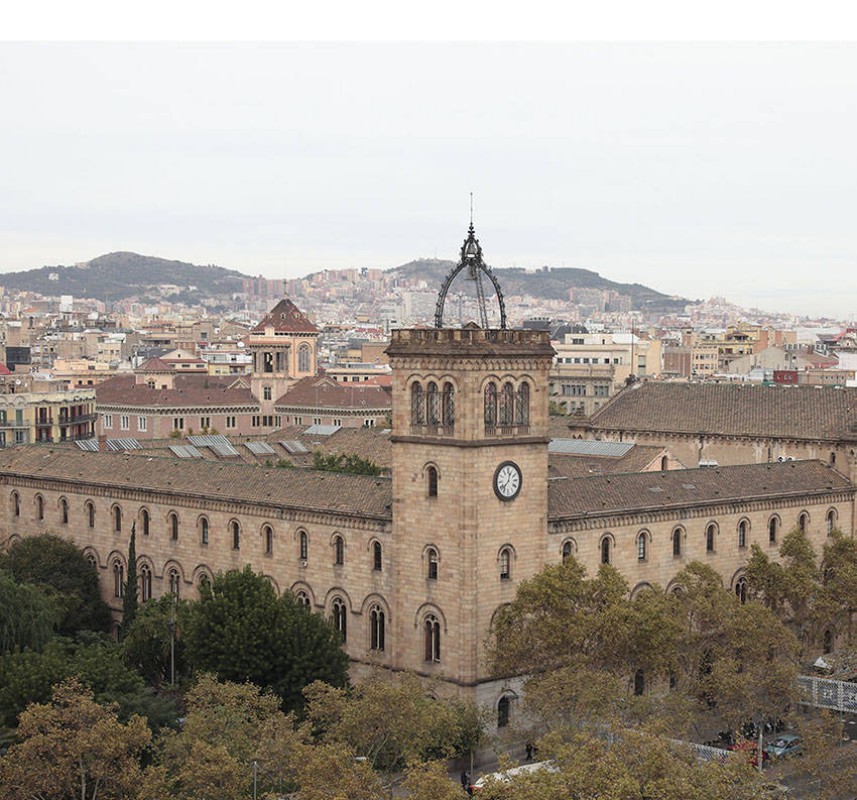
Top Universities in Spain for Art Conservation
Many Spanish universities offer this program, and the quality of teaching at public universities is highly regarded. Here, I’ll introduce a few internationally renowned schools to give you a starting point:
Complutense University of Madrid
As one of Spain’s top comprehensive universities and a true Spanish cultural institution, its Faculty of Fine Arts has a long-standing and prestigious art conservation program with a strong faculty. The curriculum is comprehensive, covering various specializations such as painting, sculpture, archaeological materials, and documentary heritage. Being in the capital, Madrid, means having the Prado, Reina Sofía, and Thyssen-Bornemisza museums as your extended classroom, offering unparalleled access to artistic resources.
Polytechnic University of Valencia
UPV’s art conservation program is ranked among the best in Spain and even Europe, particularly known for its ‘technology-focused’ approach. The university places a strong emphasis on applying scientific and technological methods in the conservation process, boasting top-tier laboratories and equipment. If you are more interested in technical fields like material analysis and non-destructive testing, UPV is an excellent choice. Incidentally, UPV’s Faculty of Fine Arts is also one of the best in Spain.
The table below provides a simple comparison of the features of several popular universities:
| University | City | Key Strengths |
|---|
| Complutense University of Madrid | Madrid | Rich history, comprehensive, strong artistic atmosphere |
| Polytechnic University of Valencia | Valencia | Technology-focused, emphasizes material science and conservation techniques |
| University of Seville | Seville | Focus on Andalusian artistic heritage |
| University of Granada | Granada | Deep art history background, collaboration with the Alhambra Palace |
Application Tips
Finally, let’s get practical. For this program, language proficiency is a strict requirement. Most public universities require a DELE B2 certificate or an equivalent SIELE score for undergraduate admission. Additionally, your portfolio is crucial. It doesn’t necessarily have to include conservation work; any pieces that demonstrate your artistic skills and understanding of materials will suffice. Some universities also have specific entrance exams that you’ll need to prepare for. Don’t leave it to the last minute—planning ahead is the key to success!
Studying art conservation in Spain means not only learning cutting-edge techniques but also being immersed in art daily. Career prospects after graduation are quite broad, including museums, conservation studios, galleries, and more. Of course, it’s a demanding path. Are there any students currently in this program? Feel free to add your thoughts and experiences in the comments!
