Lately, there have been more and more posts in the forum about children’s education. A friend recently asked me about medical programs at Spanish universities, so I thought I’d put together some information as a reference for anyone who might need it. Feel free to discuss and add your own insights!
In Spain, being a doctor is a highly respected and well-paid profession, but the path to becoming one is incredibly competitive. Spain’s medical education is renowned throughout Europe and the world for its high quality, rigorous curriculum, and well-established training system. Graduating from medical school is, in itself, a true mark of distinction. However, for this very reason, the entry requirements for medical school are the highest of all university programs, bar none.
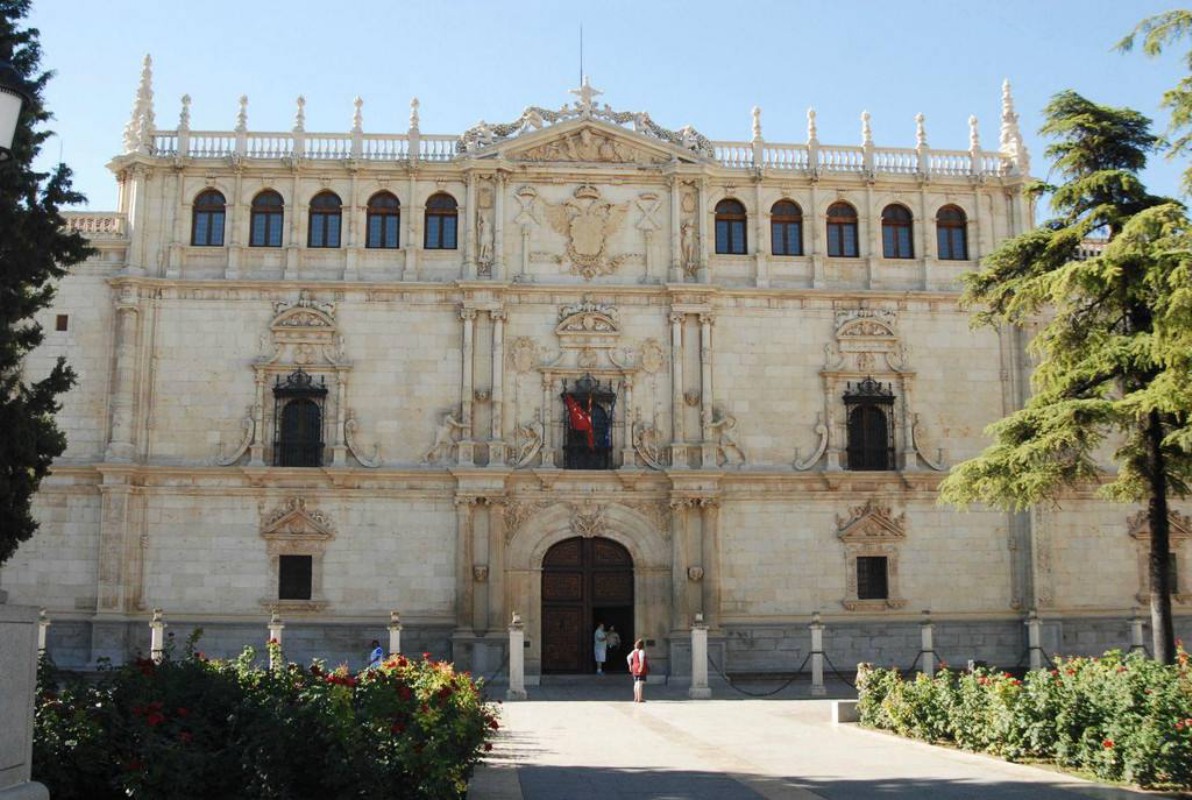
A Rundown of Major Medical Schools in Spain
Spain has numerous universities with medical schools, with top-tier options in both the public and private sectors. Here, I’ll list a few of the most well-known and reputable institutions to give you a clearer picture.
| University Name | City | Type | Remarks |
|---|
| Complutense University of Madrid | Madrid | Public | One of Spain’s oldest and largest universities, with strong overall academic standing. |
| University of Barcelona | Barcelona | Public | A historic university, consistently ranked among the top in Spain by QS. |
| Autonomous University of Madrid | Madrid | Public | Its Nota de Corte is consistently among the highest in Spain, making admission extremely difficult. |
| University of Navarra | Pamplona | Private | A top private university in Spain, renowned for its flagship medical and business schools. |
| CEU San Pablo University | Madrid | Private | A large private university offering bilingual or English-taught Medical Programs in Spanish Universities. |
The Unavoidable Admission Score (Nota de Corte)
For public universities, the sole admission criterion is the score, known as the Nota de Corte. The cut-off score for medicine is staggeringly high. Out of a maximum of 14 points, most top public university medical schools require a score of over 13! What does this mean? It means you need a near-perfect score on the Spanish university entrance exam and must also take specific subjects for extra points just to meet the threshold. So, if your child aspires to study medicine, the idea that it’s easy to get in is completely out of the question. They need to be a top-performing student from a young age.
While private universities don’t rely solely on the Nota de Corte, they have their own independent and equally rigorous entrance exams, which may include written tests and interviews. They have very high standards for a student’s overall profile, and the tuition fees are also considerably expensive. In short, no matter which path you choose, studying medicine in Spain is no easy feat. I hope this information is helpful. Friends with experience, please feel free to share your own child’s application stories or any other information you have in the comments below!
