Hey everyone! I’ve just arrived in Salamanca and started my classes at the renowned language center of the University of Salamanca. I noticed many people on the forums were curious about what Spanish language courses are actually like. My official timetable just came out, so I’m quickly posting it to share my schedule and initial impressions. Hope this can be a helpful reference for those of you planning to come over!
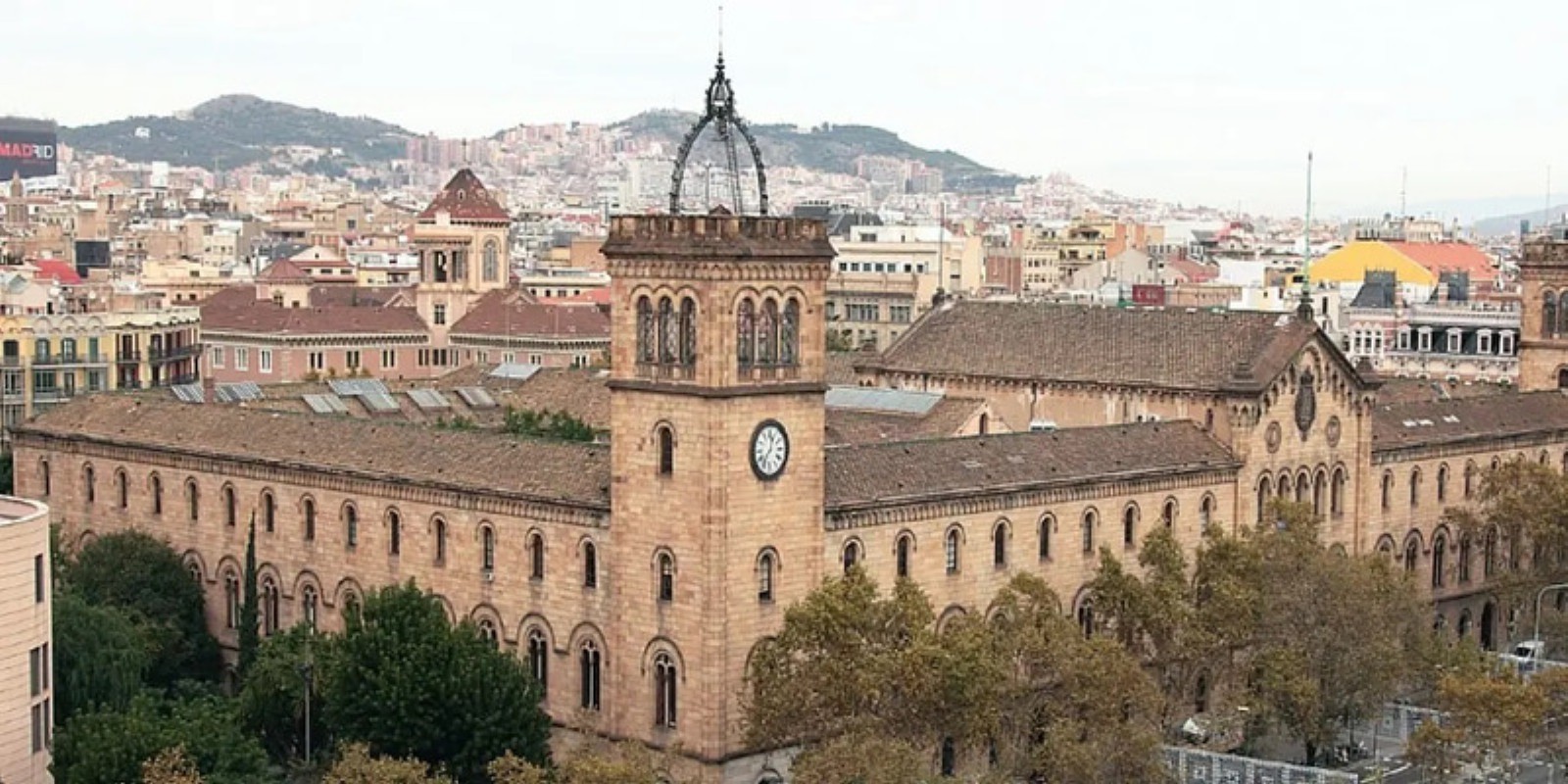
Before I show you my specific schedule, you might find this guide on how to read a Spanish university timetable useful. Now, first, a look at our beautiful campus. Walking through these ancient buildings to get to class every day makes me feel so cultured and motivated to learn!
My Timetable
Here’s a simplified version of my weekly schedule. The university has scheduled all classes from Monday to Friday mornings, leaving the afternoons free for activities or self-study. It’s quite packed overall.
| Time | Monday | Tuesday | Wednesday | Thursday | Friday |
|---|
| 9:00-11:00 | Grammar & Vocabulary | Grammar & Vocabulary | Grammar & Vocabulary | Grammar & Vocabulary | Grammar & Vocabulary |
| 11:30-13:30 | Listening & Conversation | Spanish Culture | Listening & Conversation | DELE Prep & Skills | Weekly Test & Review |
Course Content and My Thoughts
The curriculum is very comprehensive. The Grammar class is the main focus, and the teacher explains everything in great detail. However, it’s all taught in Spanish, which forces you to adapt quickly. My favorite is the Conversación (Conversation) class, where we break into groups to discuss various topics. My speaking skills are noticeably improving. The Culture class is also fascinating; we talk about everything from history and art to food and festivals. I thought it would be easy, but it turns out there are small quizzes almost every day, but you really do learn fast!
A Few Tips
I feel the biggest challenge is the full Spanish immersion environment. At first, it might feel a bit overwhelming (it’s a big step up from a typical Spanish high school preparatory (Bachillerato) course), but it’s definitely the fastest way to improve. I strongly recommend speaking up boldly and not being afraid of making mistakes; the teachers are incredibly patient. Also, make sure to participate in the extracurricular activities organized by the school, like city tours, movie nights, and language exchanges. They are perfect opportunities to practice your speaking and meet friends from all over the world.
That’s all for now! If you have any questions about the language course or life in Salamanca, feel free to ask in the comments below. I’ll answer anything I can! I’d also love to see what your timetables look like, so feel free to share!
