Lately, I’ve seen a lot of posts about studying art abroad in online forums, and many people are asking about film programs. Since I’m currently doing my master’s in a related field here, I couldn’t resist starting a thread to chat about what it’s like to study film in Spain. I hope this can be a helpful reference for future students!
When you think of Spanish cinema, the vibrant colors and dramatic conflicts of Almodóvar might be the first thing that comes to mind. Indeed, Spain has a rich artistic atmosphere and a very distinctive film industry. Studying film here isn’t just about learning techniques; it’s about immersing yourself in a unique culture and aesthetic. Plus, compared to the UK or the US, the cost of studying at Spanish film universities is much more affordable!
Notable Universities and Schools
When it comes to film programs, there are quite a few options, both public and private. Among public universities, the Faculty of Information Sciences at Complutense University of Madrid is a prestigious and well-established institution, known for its comprehensive approach. While the University of Barcelona itself doesn’t have a dedicated film department, its affiliated school, ESCAC (The Cinema and Audiovisual School of Catalonia), is undoubtedly one of the top film schools in Spain and even Europe. It’s highly practice-oriented and has an incredibly strong alumni network.
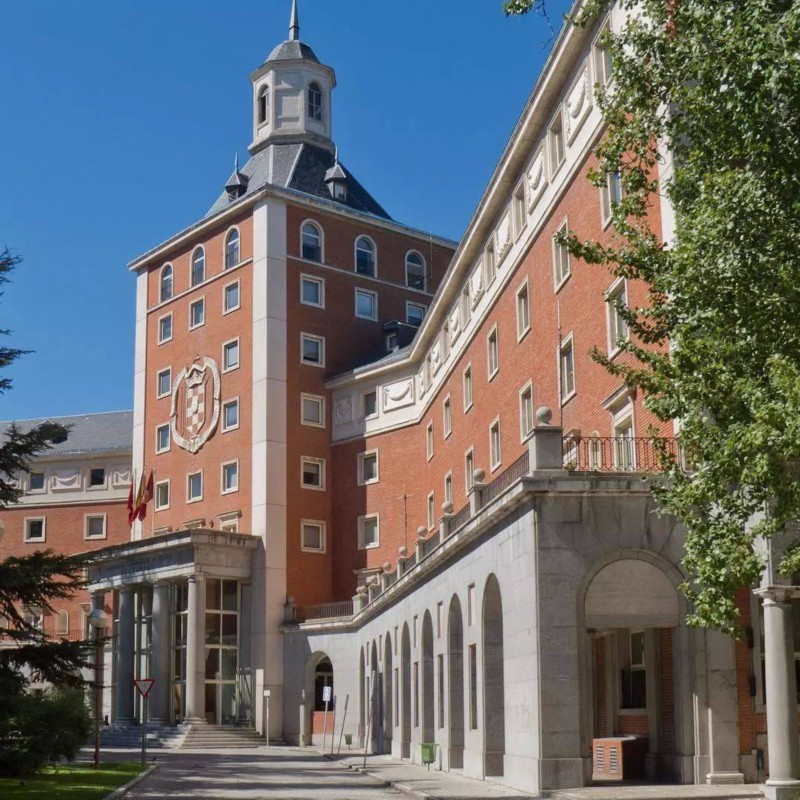
Of course, other universities like Carlos III University of Madrid and Pompeu Fabra University also offer excellent programs in audiovisual communication or film studies. I’ve put together a simple table to help you compare:
| University | Location | Key Features | Notes |
|---|
| Complutense University of Madrid | Madrid | Comprehensive, more theory-focused | One of Spain’s oldest universities |
| ESCAC | Barcelona | Practice-oriented, strong industry connections | Competitive application, higher tuition |
| Carlos III University of Madrid | Madrid | Strong in Audiovisual Communication | Focus on media and technology integration |
| Pompeu Fabra University | Barcelona | High rankings in Communication, research-oriented | Highly international |
Personal Application Tips
Language is the first hurdle. Most master’s programs taught in Spanish at public universities require a DELE B2 level or higher. Next up is the portfolio! Portfolio! Portfolio! I can’t stress this enough. Whether you want to study directing, cinematography, or screenwriting, a portfolio that showcases your creativity and potential is your key to getting in. Don’t ever think, I can’t produce good work without professional equipment. The schools are more interested in your ideas and storytelling abilities. Additionally, write a strong motivation letter. Clearly articulate why you’ve chosen this specific school and program, and what your future plans are.
That’s all I can think of for now, but there’s so much more to say, like details on course structures, internship opportunities, and more. If you’re particularly interested in a certain school or have other questions about the application process, feel free to reply below to discuss! I wish you all the best in getting into your dream school!
