I’ve recently had friends ask me what humanities majors are worth pursuing in Spain, aside from the ever-popular choices of business and language studies. Today, I want to talk about a field I’m personally very interested in—a relatively niche but truly in-depth area: political science and related majors at Spanish universities.
So, why study politics in Spain? First off, Spain itself is a living political science textbook. From the Franco era to its transition to democracy, and its current status as a constitutional monarchy dealing with regional nationalism and its role as an EU member, the political landscape here is both complex and fascinating. Studying politics in this environment gives you access to cutting-edge case studies and a direct, first-hand perspective. Secondly, Spain has a very mature political science education system, with many universities boasting dedicated Faculties of Political and Social Sciences.
Top Universities for Politics in Spain
When it comes to political science, we have to mention a few of Spain’s top public universities. They not only have excellent academic reputations but, being located in major cities like Madrid and Barcelona, these Spanish universities for political science also offer a wealth of internship and networking resources.
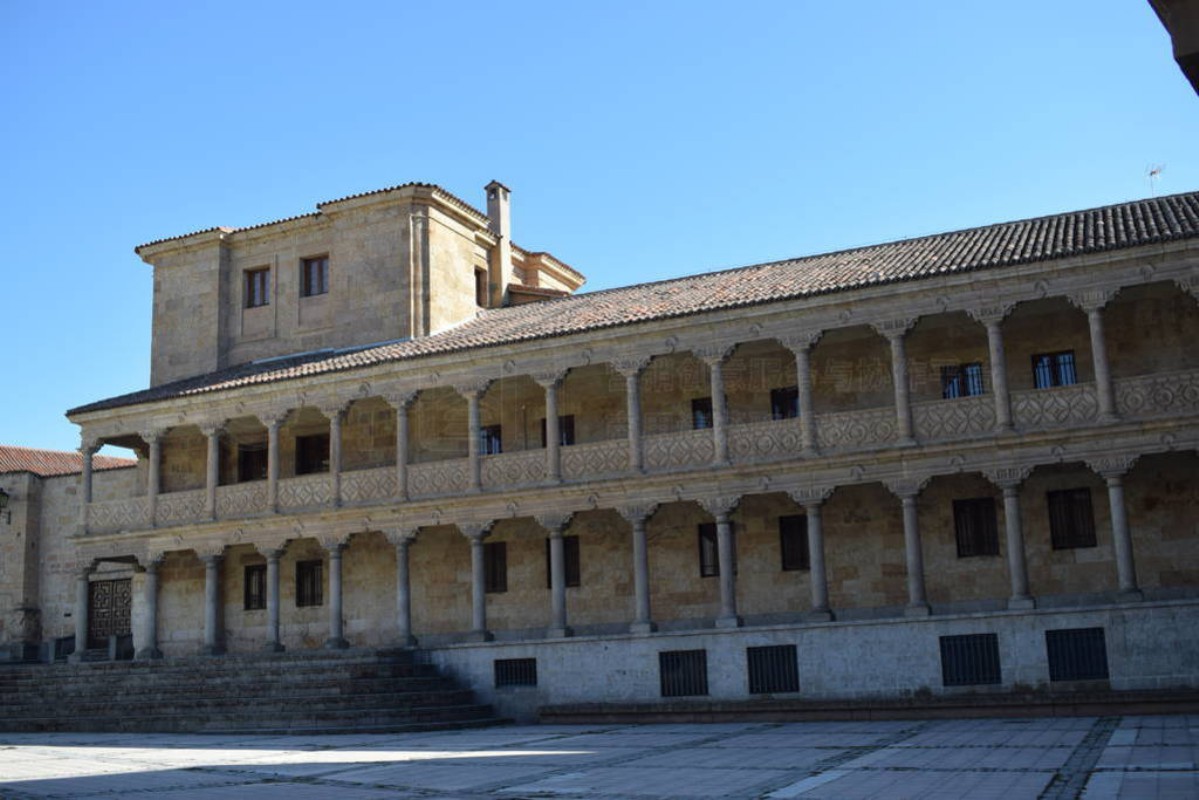
A Blend of Tradition and Modernity
I’ve put together a simple table to give you a quick overview of some representative universities:
| University | Location | Key Strengths |
|---|
| Complutense University of Madrid | Madrid | Traditional Political Theory, Sociology, Latin American Studies |
| Autonomous University of Barcelona | Barcelona | International Relations, European Integration, Public Policy |
| Carlos III University of Madrid | Madrid | International Studies, Economic Analysis |
| Pompeu Fabra University | Barcelona | Political and Administration Sciences, Political Philosophy |
For example, Complutense University of Madrid, as one of Spain’s oldest and largest universities, has a long-standing Faculty of Politics that has produced countless Spanish political elites. Its curriculum emphasizes solid theoretical foundations and historical perspectives. On the other hand, Carlos III University of Madrid is more modern and international, offering numerous English-taught courses and providing rankings for political science universities in Spain, especially in the field of international studies, making it ideal for students aiming for an international career. The universities in Barcelona, such as Pompeu Fabra University and the Autonomous University of Barcelona, are particularly strong in international relations and European studies.
What can you do after graduation? This is probably the biggest question on everyone’s mind. The career paths for political science graduates are much broader than you might imagine. Besides the traditional route of working in government, graduates can also find opportunities in international organizations, NGOs, multinational corporations, renowned think tanks, or the media industry. I know alumni who have interned at the EU headquarters in Brussels, worked as project coordinators for Amnesty International, or become political commentators for newspapers. Of course, this path is not an easy one; it demands a high level of language proficiency, analytical skills, and cross-cultural communication abilities. Also, you can basically say goodbye to sleeping in with this major—the reading load and essay-writing pressure are significant.
If you are passionate about current international affairs, social change, and public matters, and you aren’t afraid of a challenge, then studying political science in Spain is definitely a choice that will greatly broaden your horizons. It not only equips you with professional knowledge but also teaches you how to think critically about the complex world we live in. Do you know of any other hidden gem universities or have thoughts on this major? Feel free to share and discuss in the comments section!
